
What is HR Management?
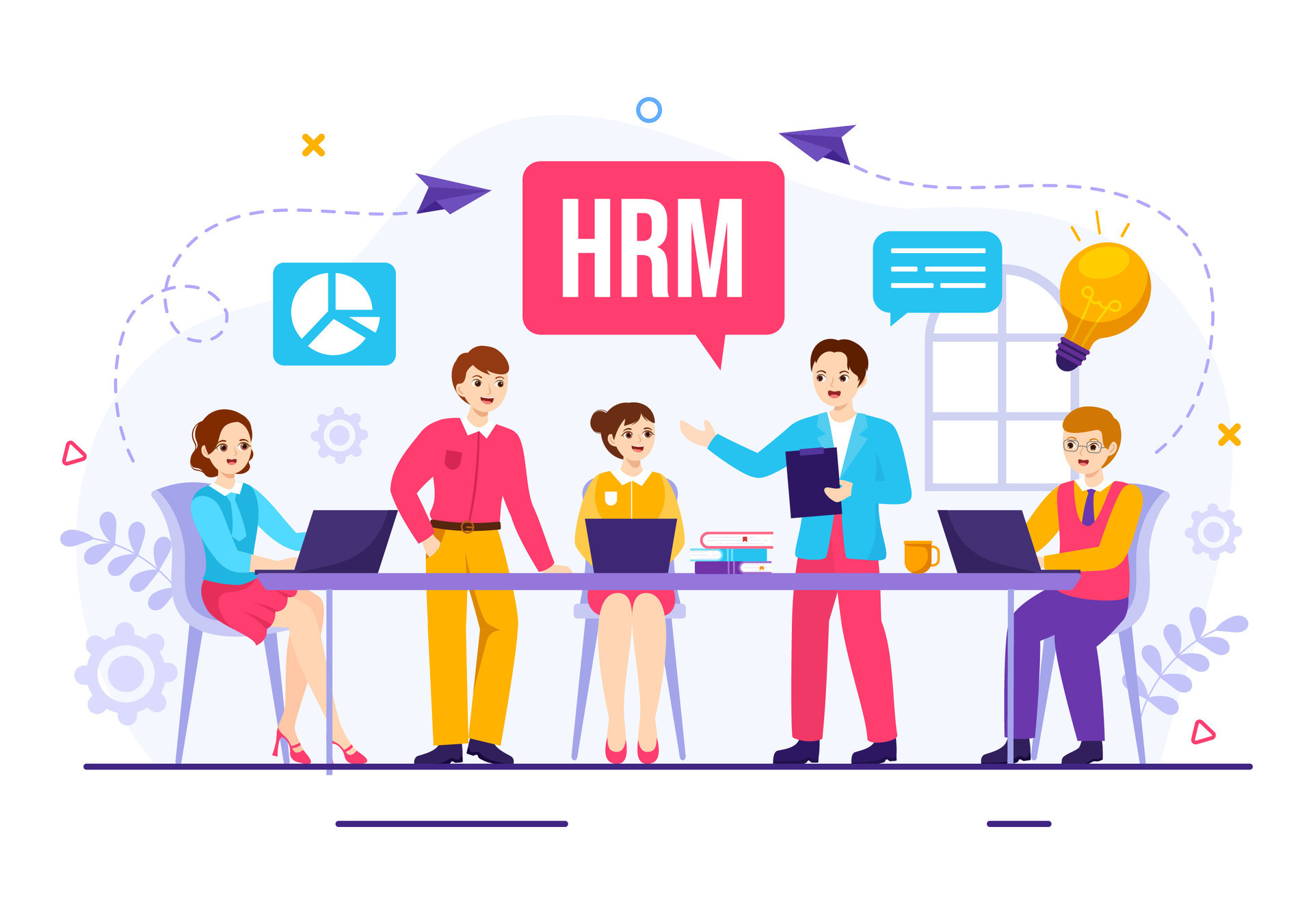
In every organization, managing people effectively is essential for success. Employees are not just workers—they are valuable assets who contribute to innovation, productivity, and growth. To ensure that this human potential is fully utilized, organizations rely on Human Resource Management (HRM).
HR Management is a structured approach to managing an organization’s workforce. It involves recruiting, developing, motivating, and retaining employees while aligning their efforts with the company’s goals.
Over time, HR management has evolved from a simple administrative function into a strategic discipline that plays a key role in shaping business success. This article explores what HR management is, its functions, importance, objectives, and its role in modern organizations.
Definition of HR Management
Human Resource Management (HRM) refers to the process of managing people in an organization in a structured and strategic way.
It includes:
-
Hiring employees
-
Training and development
-
Managing performance
-
Providing compensation and benefits
-
Ensuring employee satisfaction
In simple terms, HR management is the effective management of people at work.
Objectives of HR Management
HR management aims to achieve both organizational and employee goals.
1. Organizational Objectives
-
Improve productivity
-
Achieve business goals
-
Enhance efficiency
2. Employee Objectives
-
Ensure job satisfaction
-
Provide growth opportunities
-
Maintain work-life balance
3. Social Objectives
-
Promote ethical practices
-
Ensure fairness and equality
-
Support community well-being
Key Functions of HR Management
HR management involves several important functions:
1. Recruitment and Selection
HRM ensures that the organization hires the right people.
Activities:
-
Job analysis
-
Candidate sourcing
-
Interviews and selection
Importance:
-
Builds a strong workforce
-
Reduces hiring mistakes
2. Training and Development
HRM focuses on improving employee skills.
Includes:
-
Onboarding programs
-
Skill training
-
Leadership development
Benefits:
-
Enhances performance
-
Prepares employees for future roles
3. Performance Management
HRM evaluates employee performance.
Activities:
-
Setting goals
-
Conducting appraisals
-
Providing feedback
Outcome:
-
Improved productivity
-
Better alignment with goals
4. Compensation and Benefits
HRM manages employee pay and rewards.
Includes:
-
Salaries
-
Bonuses
-
Benefits like insurance and leave
Importance:
-
Motivates employees
-
Attracts talent
5. Employee Relations
HRM maintains healthy workplace relationships.
Activities:
-
Conflict resolution
-
Handling grievances
-
Promoting communication
Benefits:
-
Positive work environment
-
Reduced conflicts
6. Compliance and Legal Management
HRM ensures adherence to labor laws.
Includes:
-
Employment regulations
-
Workplace safety
-
Anti-discrimination policies
Importance:
-
Avoids legal issues
-
Protects employee rights
7. Workforce Planning
HRM plans future staffing needs.
Activities:
-
Forecasting demand
-
Identifying skill gaps
Importance:
-
Ensures business continuity
-
Supports growth
Importance of HR Management
HR management is essential for organizational success.
1. Efficient Use of Human Resources
HRM ensures employees are utilized effectively.
2. Improved Employee Performance
Training and evaluation systems enhance productivity.
3. Employee Satisfaction
HRM creates a supportive work environment.
4. Organizational Growth
HRM aligns workforce capabilities with business goals.
5. Reduced Employee Turnover
Effective HR practices improve retention.
Role of HR Management in Organizations
HR management plays multiple roles:
1. Administrative Role
Handling payroll, records, and documentation.
2. Operational Role
Managing recruitment, training, and performance.
3. Strategic Role
Aligning HR practices with business objectives.
HR Management vs Personnel Management
| Aspect | Personnel Management | HR Management |
|---|---|---|
| Focus | Administrative | Strategic |
| Approach | Reactive | Proactive |
| Scope | Limited | Broad |
| Employee View | Cost | Asset |
HR management focuses on developing employees, not just managing them.
Components of HR Management
HR management consists of several key components:
1. Human Resource Planning
Determining workforce needs.
2. Employee Development
Training and skill enhancement.
3. Compensation Management
Designing pay structures.
4. Employee Relations
Maintaining workplace harmony.
5. Performance Management
Evaluating and improving performance.
HR Management in the Digital Age
Technology has transformed HR management.
1. HR Software Systems
Used for:
-
Payroll
-
Recruitment
-
Performance tracking
2. Data Analytics
Helps in:
-
Predicting turnover
-
Improving hiring decisions
3. Remote Workforce Management
Managing employees working from different locations.
Skills Required for HR Management
HR professionals need a combination of skills:
1. Communication Skills
Effective interaction with employees.
2. Leadership Skills
Guiding and motivating teams.
3. Problem-Solving Skills
Handling workplace issues.
4. Analytical Skills
Using data for decision-making.
5. Emotional Intelligence
Understanding employee needs.
Challenges in HR Management
1. Talent Acquisition
Finding skilled employees.
2. Employee Retention
Keeping employees engaged.
3. Technological Changes
Adapting to new tools and systems.
4. Workforce Diversity
Managing diverse teams.
5. Legal Compliance
Following changing labor laws.
HR Management Strategies
Effective HR management involves strategic planning.
1. Talent Management Strategy
Attracting and retaining top talent.
2. Employee Engagement Strategy
Keeping employees motivated.
3. Learning and Development Strategy
Continuous skill development.
4. Performance Management Strategy
Improving productivity.
The Future of HR Management
HR management is evolving with new trends:
1. Artificial Intelligence
Automation of HR processes.
2. Data-Driven Decisions
Use of analytics in HR.
3. Flexible Work Models
Remote and hybrid work.
4. Focus on Employee Experience
Improving workplace satisfaction.
Benefits of Effective HR Management
-
Higher productivity
-
Better employee morale
-
Reduced turnover
-
Strong organizational culture
-
Competitive advantage
Conclusion
Human Resource Management is a critical function that ensures the effective management of people within an organization. It goes beyond administrative tasks to become a strategic partner in achieving business success.
By focusing on recruitment, development, performance, and employee well-being, HR management helps organizations build strong, motivated, and productive teams. As the workplace continues to evolve, the importance of HR management will only increase.
Understanding HR management is essential for anyone involved in business, as it directly impacts both organizational performance and employee satisfaction.
- Arts
- Business
- Computers
- Juegos
- Health
- Home
- Kids and Teens
- Money
- News
- Personal Development
- Recreation
- Regional
- Reference
- Science
- Shopping
- Society
- Sports
- Бизнес
- Деньги
- Дом
- Досуг
- Здоровье
- Игры
- Искусство
- Источники информации
- Компьютеры
- Личное развитие
- Наука
- Новости и СМИ
- Общество
- Покупки
- Спорт
- Страны и регионы
- World

 English
 Russian
 French
 Portuguese
 Deutsch
 Turkish
 Dutch
Dutch
 Italiano
 Arabic
 Romaian
 Portuguese (Brazil)
 Greek
Greek
