
How do I stay organized with multiple tasks?
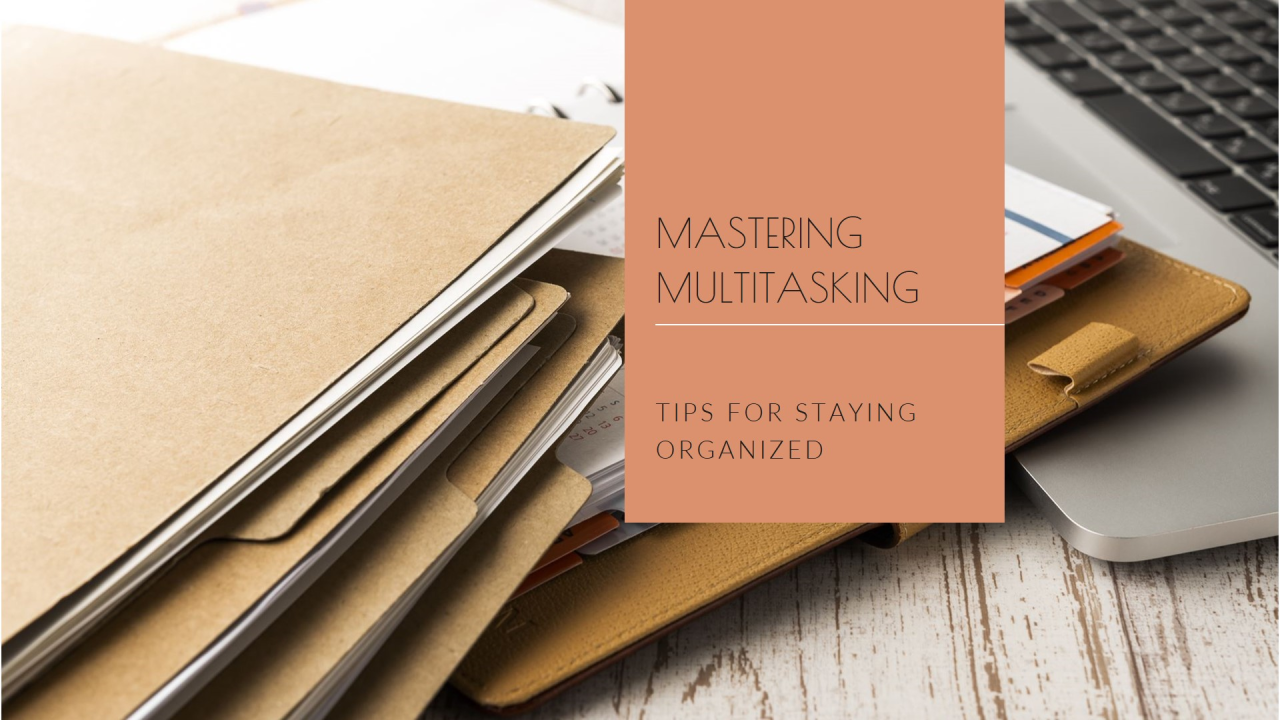
How Do I Stay Organized With Multiple Tasks?
Managing multiple tasks simultaneously is a reality for most people today—whether you're balancing work projects, personal responsibilities, or academic commitments. Without a clear system, it’s easy to feel overwhelmed, lose track of priorities, and fall behind on deadlines.
Staying organized with multiple tasks is not about working harder; it’s about working smarter through structured systems, prioritization, and consistency. This article provides a comprehensive, practical framework to help you stay organized, maintain control over your workload, and improve productivity.
Why Managing Multiple Tasks Is Difficult
Before addressing solutions, it’s important to understand why handling multiple tasks is challenging:
-
Cognitive overload: The brain struggles to hold too many tasks at once.
-
Lack of prioritization: Everything can feel equally important.
-
Frequent interruptions: Distractions disrupt focus and flow.
-
Context switching: Moving between tasks reduces efficiency.
-
Poor planning: Without structure, tasks pile up quickly.
The key to overcoming these challenges is building a reliable task management system.
1. Capture Everything in One Place
The first rule of staying organized is simple: don’t rely on memory.
Strategy
-
Write down every task, idea, and responsibility.
-
Use a single trusted system (digital or physical).
-
Avoid spreading tasks across multiple tools.
Why It Works
-
Reduces mental clutter
-
Prevents forgotten tasks
-
Creates a clear overview of responsibilities
Digital tools like Todoist, Notion, or ClickUp make it easy to centralize tasks.
2. Prioritize Ruthlessly
When managing multiple tasks, prioritization is critical. Not all tasks deserve equal attention.
Methods
-
Eisenhower Matrix: Separate tasks by urgency and importance
-
ABC Method: Label tasks A (critical), B (important), C (optional)
-
MIT (Most Important Tasks): Focus on 1–3 key tasks daily
Why It Works
-
Ensures high-value work is completed first
-
Reduces overwhelm
-
Provides clarity on what matters most
Without prioritization, you risk spending time on low-impact tasks.
3. Break Tasks Into Actionable Steps
Large or vague tasks are difficult to start and easy to avoid.
Strategy
Break tasks into smaller, specific steps.
Example
Instead of:
-
“Complete project”
Use:
-
Define project scope
-
Gather resources
-
Create outline
-
Execute tasks
-
Review and finalize
Why It Works
-
Reduces overwhelm
-
Makes tasks actionable
-
Builds momentum through small wins
4. Use Time Blocking
Time blocking involves assigning specific time slots to tasks.
Strategy
-
Allocate time for focused work
-
Group similar tasks together (batching)
-
Include buffer time between tasks
Example Schedule
-
9:00–10:30 → Deep work (project tasks)
-
10:30–11:00 → Emails and communication
-
11:00–12:30 → Meetings
-
1:00–2:30 → Secondary tasks
Why It Works
-
Reduces decision fatigue
-
Minimizes task switching
-
Improves focus and efficiency
5. Organize Tasks by Categories
Grouping tasks makes it easier to manage multiple responsibilities.
Categories
-
Work projects
-
Personal tasks
-
Urgent tasks
-
Recurring tasks
Tools
Use labels, tags, or folders in your task management system.
Why It Works
-
Simplifies navigation
-
Keeps related tasks together
-
Helps focus on specific areas of work
6. Set Clear Deadlines
Deadlines create structure and urgency.
Strategy
-
Assign due dates to all tasks
-
Break large tasks into milestones with deadlines
-
Use reminders to stay on track
Why It Works
-
Prevents procrastination
-
Encourages consistent progress
-
Reduces last-minute stress
7. Use the “Next Action” Principle
Tasks often remain incomplete because the next step is unclear.
Strategy
Define the next actionable step for every task.
Example
Instead of:
-
“Work on report”
Use:
-
“Draft introduction paragraph”
Why It Works
-
Eliminates ambiguity
-
Makes starting easier
-
Maintains momentum
8. Limit Multitasking
Contrary to popular belief, multitasking reduces productivity.
Strategy
-
Focus on one task at a time
-
Complete tasks before switching
-
Use time blocks to maintain focus
Why It Works
-
Improves quality of work
-
Reduces errors
-
Increases efficiency
9. Conduct Daily and Weekly Reviews
Regular reviews are essential for staying organized.
Daily Review
-
Check completed tasks
-
Update progress
-
Plan next day
Weekly Review
-
Assess overall progress
-
Adjust priorities
-
Identify bottlenecks
Why It Works
-
Keeps your system up to date
-
Prevents tasks from slipping through
-
Maintains control over workload
10. Use Task Management Tools Effectively
Digital tools can significantly improve organization if used properly.
Recommended Tools
-
Asana – Great for teams and structured workflows
-
Trello – Ideal for visual task tracking
-
Todoist – Excellent for personal productivity
Key Features to Use
-
Task lists and subtasks
-
Prioritization
-
Deadlines and reminders
-
Progress tracking
Why It Works
-
Centralizes tasks
-
Provides visual clarity
-
Supports collaboration
11. Minimize Distractions
Distractions are one of the biggest barriers to staying organized.
Strategies
-
Turn off unnecessary notifications
-
Use website blockers
-
Create a focused workspace
-
Schedule communication times
Why It Works
-
Maintains focus
-
Reduces interruptions
-
Helps complete tasks faster
12. Delegate and Collaborate
You don’t have to do everything yourself.
Strategy
-
Identify tasks that can be delegated
-
Assign clear responsibilities
-
Track progress
Why It Works
-
Reduces workload
-
Improves efficiency
-
Allows focus on high-priority tasks
13. Use Visual Systems
Visual tools help manage complexity.
Examples
-
Kanban boards (To Do → In Progress → Done)
-
Gantt charts for timelines
-
Dashboards for overview
Why It Works
-
Provides clarity at a glance
-
Tracks progress visually
-
Helps manage multiple tasks efficiently
14. Avoid Overloading Yourself
Trying to do too much leads to burnout and disorganization.
Strategy
-
Limit daily tasks to a manageable number
-
Focus on high-impact work
-
Learn to say no
Why It Works
-
Maintains energy and focus
-
Improves quality of work
-
Prevents overwhelm
15. Build Consistent Habits
Organization is not a one-time effort—it’s a habit.
Habits to Develop
-
Daily planning
-
Regular task review
-
Consistent use of your system
Why It Works
-
Creates structure
-
Reduces reliance on motivation
-
Ensures long-term consistency
16. Reflect and Improve Your System
No system is perfect. Continuous improvement is key.
Strategy
-
Identify what works and what doesn’t
-
Adjust tools and workflows
-
Simplify where possible
Why It Works
-
Optimizes efficiency
-
Adapts to changing needs
-
Keeps your system effective
Practical Example
Scenario
You have:
-
Work project deadlines
-
Personal errands
-
Meetings and emails
Organized Approach
-
Capture all tasks in one system
-
Prioritize tasks using MIT or Eisenhower Matrix
-
Break large tasks into steps
-
Schedule time blocks for focused work
-
Review progress daily
Result
-
Clear priorities
-
Reduced stress
-
Improved productivity
Common Mistakes to Avoid
-
Keeping tasks in multiple systems
-
Not prioritizing effectively
-
Overloading daily schedules
-
Skipping reviews
-
Overcomplicating your system
Final Thoughts
Staying organized with multiple tasks is not about perfection—it’s about consistency and structure. By capturing tasks, prioritizing effectively, breaking work into manageable steps, and using tools and systems to track progress, you can maintain control over even the busiest schedules.
The key principles are simple:
-
Centralize your tasks
-
Prioritize what matters
-
Plan your time
-
Review regularly
-
Keep your system simple
When applied consistently, these strategies transform chaos into clarity, helping you stay organized, reduce stress, and achieve your goals more efficiently.
- Arts
- Business
- Computers
- Spiele
- Health
- Startseite
- Kids and Teens
- Geld
- News
- Personal Development
- Recreation
- Regional
- Reference
- Science
- Shopping
- Society
- Sports
- Бизнес
- Деньги
- Дом
- Досуг
- Здоровье
- Игры
- Искусство
- Источники информации
- Компьютеры
- Личное развитие
- Наука
- Новости и СМИ
- Общество
- Покупки
- Спорт
- Страны и регионы
- World

 English
 Russian
 French
 Spanish
 Portuguese
 Turkish
 Dutch
Dutch
 Italiano
 Arabic
 Romaian
 Portuguese (Brazil)
 Greek
Greek
