
How many tasks should I plan in a day?
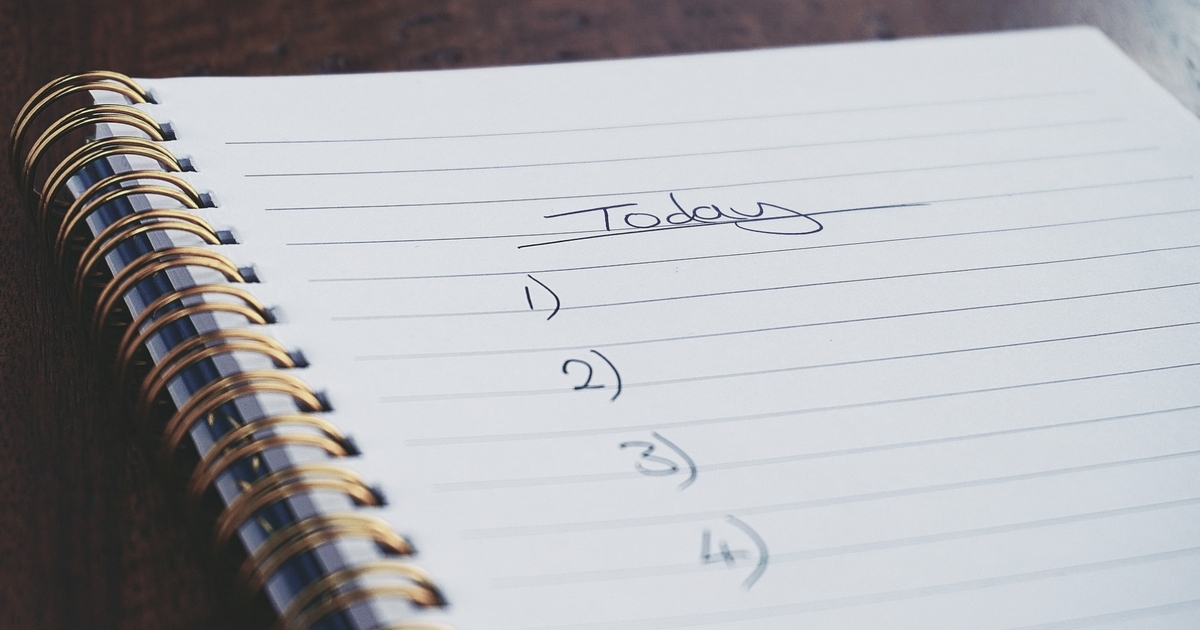
How Many Tasks Should I Plan in a Day?
One of the most common questions in productivity and task management is deceptively simple: How many tasks should you plan in a day?
At first glance, it might seem like the answer should be a specific number—perhaps 5, 10, or even 20 tasks. However, the reality is more nuanced. The ideal number of daily tasks depends on several factors, including task complexity, available time, energy levels, and your overall workflow.
Planning too many tasks can lead to overwhelm and burnout, while planning too few can result in underutilized time and lack of progress. The key is finding the right balance that allows you to remain productive, focused, and consistent.
This article explores how to determine the optimal number of daily tasks, the principles behind effective planning, and strategies to create a realistic and sustainable task list.
Why the Number of Tasks Matters
The number of tasks you plan directly affects your productivity, motivation, and stress levels.
Planning Too Many Tasks
-
Leads to overwhelm
-
Increases likelihood of incomplete work
-
Creates a constant feeling of being behind
-
Reduces motivation over time
Planning Too Few Tasks
-
Results in underutilized time
-
Slows progress toward goals
-
May reduce engagement and focus
The goal is not to maximize the number of tasks, but to optimize the value and completion rate of your tasks.
The Core Principle: Focus on Outcomes, Not Task Count
A critical mistake many people make is focusing on how many tasks they complete rather than what they accomplish.
Example
-
Completing 10 small, low-impact tasks
vs -
Completing 2 high-impact tasks
The second scenario is often far more productive.
Key Insight
Productivity is measured by results, not the number of tasks completed.
The Ideal Daily Task Range
While there is no universal number, most productivity experts recommend:
3 to 5 Major Tasks per Day
These are high-priority tasks that require significant effort or focus.
Plus 3 to 7 Minor Tasks
These are smaller, quick tasks such as emails, calls, or administrative work.
Why This Range Works
-
Prevents overload
-
Maintains focus
-
Allows flexibility
-
Increases completion rates
Understanding Task Types
To plan effectively, you must distinguish between different types of tasks.
1. Deep Work Tasks
These require intense focus and cognitive effort.
Examples:
-
Writing reports
-
Coding
-
Strategic planning
You should plan 1–3 deep work tasks per day.
2. Shallow Tasks
These are quick, low-effort tasks.
Examples:
-
Responding to emails
-
Scheduling meetings
-
Filing documents
You can handle several shallow tasks daily, often in batches.
3. Recurring Tasks
These repeat regularly.
Examples:
-
Daily check-ins
-
Weekly reports
These should be scheduled and automated where possible.
Factors That Determine How Many Tasks You Should Plan
1. Task Complexity
Complex tasks require more time and energy.
-
High complexity → fewer tasks
-
Low complexity → more tasks
2. Available Time
Your schedule determines how many tasks you can realistically complete.
-
Full workday → more capacity
-
Busy day with meetings → fewer tasks
3. Energy Levels
Your productivity fluctuates throughout the day.
-
High energy → deep work tasks
-
Low energy → shallow tasks
4. Experience and Skill Level
Experienced individuals may complete tasks faster, but overloading still reduces efficiency.
5. Interruptions and Unplanned Work
Always account for unexpected tasks and interruptions.
The “MIT” Rule (Most Important Tasks)
A widely used approach is focusing on Most Important Tasks (MITs).
Strategy
-
Identify 1–3 critical tasks for the day
-
Complete these tasks first
Benefits
-
Ensures meaningful progress
-
Reduces decision fatigue
-
Maintains focus on priorities
Time-Based Planning vs Task-Based Planning
Task-Based Planning
-
Focuses on the number of tasks
-
Can lead to unrealistic expectations
Time-Based Planning
-
Focuses on how much time tasks require
-
Aligns better with actual capacity
Best Approach
Combine both:
-
Estimate time for each task
-
Ensure total planned time fits your day
The Problem With Overplanning
Overplanning is one of the biggest productivity killers.
Signs of Overplanning
-
Long task lists
-
Frequent unfinished tasks
-
Constant feeling of being behind
Consequences
-
Stress and burnout
-
Reduced motivation
-
Lower productivity
The 60–70% Rule
A practical strategy is to plan only 60–70% of your available time.
Why?
-
Leaves room for unexpected tasks
-
Provides flexibility
-
Reduces stress
Example
If you have 8 hours:
-
Plan 5–6 hours of work
-
Leave 2–3 hours for flexibility
How to Build a Realistic Daily Task List
Step 1: List All Tasks
Write down everything you need to do.
Step 2: Prioritize
Identify high-impact tasks using prioritization methods.
Step 3: Estimate Time
Assign realistic time estimates to each task.
Step 4: Select Tasks
Choose tasks that fit within your available time.
Step 5: Limit the List
Keep your list manageable—avoid overloading.
Example of an Effective Daily Plan
High-Priority Tasks (3)
-
Complete project report (2 hours)
-
Prepare presentation (1.5 hours)
-
Review team deliverables (1 hour)
Medium/Low Tasks (4–6)
-
Respond to emails
-
Schedule meetings
-
Update task system
-
Follow up on requests
Total Time
Approximately 5–6 hours of planned work.
Adjusting Task Load Based on Your Day
Busy Day (Meetings, Interruptions)
-
1–2 major tasks
-
2–4 minor tasks
Normal Workday
-
3 major tasks
-
3–7 minor tasks
High-Focus Day
-
2–3 deep work tasks
-
Minimal shallow tasks
Common Mistakes to Avoid
1. Treating All Tasks Equally
Not all tasks have the same impact.
2. Ignoring Time Estimates
Tasks often take longer than expected.
3. Overloading the Task List
Too many tasks reduce completion rates.
4. Not Accounting for Interruptions
Unexpected tasks are inevitable.
5. Skipping Daily Review
Without review, planning becomes ineffective.
Tips for Better Daily Task Planning
-
Focus on quality over quantity
-
Limit daily tasks to a realistic number
-
Prioritize high-impact work
-
Use time blocking for structure
-
Review and adjust your plan regularly
The Psychological Benefits of a Manageable Task List
Planning the right number of tasks has psychological advantages:
1. Increased Motivation
Completing tasks provides a sense of accomplishment.
2. Reduced Stress
A realistic plan reduces pressure.
3. Improved Focus
Fewer tasks allow deeper concentration.
4. Better Work-Life Balance
Avoids overworking and burnout.
Final Thoughts
So, how many tasks should you plan in a day?
There is no fixed number—but a practical guideline is:
-
3–5 important tasks
-
3–7 smaller tasks
More importantly, focus on:
-
Task importance
-
Time availability
-
Energy levels
The best daily plan is one that is realistic, flexible, and aligned with your priorities.
Final Takeaway
Instead of asking:
“How many tasks should I do today?”
Ask:
“What are the most important tasks I can realistically complete today?”
By shifting your focus from quantity to impact, you can create a sustainable task management system that improves productivity, reduces stress, and helps you achieve your goals consistently.
- Arts
- Business
- Computers
- Games
- Health
- Home
- Kids and Teens
- Money
- News
- Personal Development
- Recreation
- Regional
- Reference
- Science
- Shopping
- Society
- Sports
- Бизнес
- Деньги
- Дом
- Досуг
- Здоровье
- Игры
- Искусство
- Источники информации
- Компьютеры
- Личное развитие
- Наука
- Новости и СМИ
- Общество
- Покупки
- Спорт
- Страны и регионы
- World

 Russian
 French
 Spanish
 Portuguese
 Deutsch
 Turkish
 Dutch
Dutch
 Italiano
 Arabic
 Romaian
 Portuguese (Brazil)
 Greek
Greek
