
What Skills Are Needed for Knowledge Management Roles?
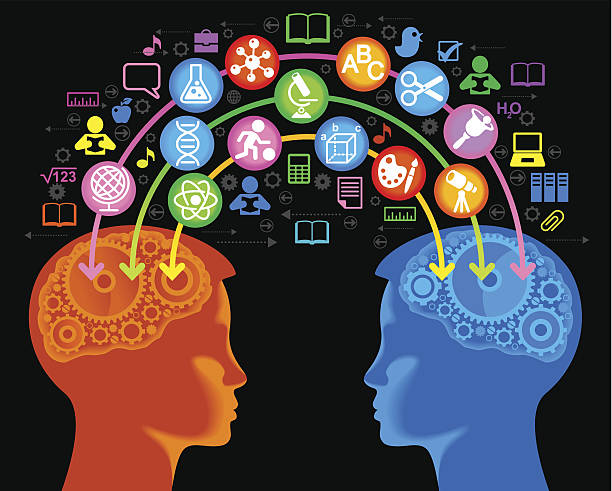
In the digital economy, where information is abundant and constantly evolving, organizations depend on effective knowledge management to remain competitive. Knowledge management roles focus on capturing, organizing, sharing, and applying knowledge to improve performance and innovation. These roles are essential for maximizing knowledge capital, ensuring that valuable expertise is not lost and is used efficiently across the organization.
However, working in knowledge management requires a diverse and evolving skill set. It is not limited to technical expertise; it also involves analytical thinking, communication, strategic insight, and adaptability. This article explores the key skills needed for knowledge management roles, how they are applied, and why they are critical in today’s workplace.
The Multidisciplinary Nature of Knowledge Management
Knowledge management sits at the intersection of several fields, including:
- Business and management
- Information technology
- Data analytics
- Organizational behavior
As a result, professionals in this field must combine multiple types of skills. These can be broadly categorized into:
- Technical skills
- Analytical skills
- Communication skills
- Strategic and business skills
- Interpersonal and soft skills
Each category plays a crucial role in managing knowledge effectively.
1. Technical Skills
Technical skills are fundamental for handling digital knowledge systems and tools.
Knowledge Management Systems (KMS)
Professionals must be familiar with platforms that store and organize knowledge, such as:
- Content management systems
- Document repositories
- Collaboration tools
Skills include:
- Structuring information
- Managing databases
- Ensuring accessibility and usability
Data Analysis and Analytics
Knowledge management increasingly relies on data.
Key abilities:
- Interpreting data
- Identifying patterns and trends
- Using analytics tools
This helps transform raw data into actionable knowledge.
Information Technology Literacy
A solid understanding of IT is essential, including:
- Cloud computing
- Digital platforms
- Cybersecurity basics
This ensures that knowledge systems are secure and efficient.
Artificial Intelligence and Automation Tools
With the rise of AI, knowledge professionals should understand:
- Machine learning basics
- AI-driven search and recommendation systems
- Automation tools
These technologies enhance knowledge creation and sharing.
2. Analytical Skills
Analytical thinking is critical for turning information into meaningful insights.
Critical Thinking
Professionals must:
- Evaluate information accuracy
- Identify biases
- Assess relevance
This ensures high-quality knowledge.
Problem-Solving
Knowledge managers often address challenges such as:
- Knowledge gaps
- Inefficient processes
- Information overload
Strong problem-solving skills help develop effective solutions.
Decision-Making
Using knowledge effectively requires:
- Assessing options
- Evaluating risks
- Making informed choices
3. Communication Skills
Knowledge sharing depends heavily on effective communication.
Writing and Documentation
Clear documentation is essential for:
- Creating manuals and guides
- Recording processes
- Sharing knowledge
Professionals must write in a clear, structured, and accessible way.
Verbal Communication
Knowledge managers often:
- Lead meetings
- Conduct training sessions
- Facilitate discussions
Strong speaking skills help convey complex ideas effectively.
Knowledge Translation
This involves converting complex information into understandable formats for different audiences.
For example:
- Technical data into business insights
- Research findings into actionable recommendations
4. Strategic and Business Skills
Knowledge management must align with organizational goals.
Business Understanding
Professionals need to:
- Understand organizational objectives
- Align knowledge initiatives with strategy
- Identify value-creating opportunities
Strategic Thinking
This includes:
- Long-term planning
- Identifying trends
- Anticipating future knowledge needs
Innovation Management
Knowledge managers support innovation by:
- Encouraging idea sharing
- Managing knowledge flows
- Supporting research and development
5. Interpersonal and Soft Skills
Soft skills are essential for collaboration and cultural impact.
Collaboration and Teamwork
Knowledge management involves working across departments.
Skills include:
- Building relationships
- Facilitating teamwork
- Encouraging knowledge sharing
Adaptability
The knowledge landscape changes rapidly. Professionals must:
- Learn new tools and technologies
- Adjust to changing environments
- Embrace new ways of working
Leadership
Even without formal authority, knowledge managers often:
- Influence others
- Promote knowledge-sharing culture
- Guide organizational change
Emotional Intelligence
Understanding people’s motivations and behaviors helps:
- Build trust
- Encourage collaboration
- Resolve conflicts
Digital Skills for the Future
As technology evolves, digital skills are becoming increasingly important.
Data Literacy
Understanding how to:
- Read and interpret data
- Use data for decision-making
- Communicate data insights
Digital Collaboration Tools
Familiarity with tools for:
- Remote work
- Virtual communication
- Project management
Content Creation
Skills in creating digital content such as:
- Presentations
- Knowledge articles
- Training materials
Knowledge Sharing and Facilitation Skills
A key responsibility of knowledge management roles is enabling knowledge sharing.
Facilitation
Professionals must:
- Lead workshops
- Encourage participation
- Guide discussions
Community Building
Creating communities of practice where:
- Employees share expertise
- Collaborate on problems
- Develop best practices
Mentoring and Coaching
Helping others:
- Develop skills
- Share knowledge
- Grow professionally
Organizational and Process Skills
Knowledge management requires strong organizational abilities.
Information Organization
Structuring knowledge so it is:
- Easy to find
- Easy to use
- Well categorized
Process Design
Developing processes for:
- Knowledge creation
- Storage and retrieval
- Sharing and application
Project Management
Managing knowledge initiatives involves:
- Planning
- Coordination
- Monitoring progress
Ethical and Governance Skills
As knowledge becomes more valuable, ethical considerations are critical.
Data Privacy and Security
Ensuring:
- Confidentiality of information
- Compliance with regulations
- Protection against cyber threats
Ethical Decision-Making
Considering:
- Fair use of information
- Avoiding bias
- Transparency
Continuous Learning and Growth
Knowledge management professionals must commit to lifelong learning.
Staying Updated
Keeping up with:
- New technologies
- Industry trends
- Best practices
Professional Development
Engaging in:
- Training programs
- Certifications
- Networking
Challenges in Developing These Skills
Professionals may face challenges such as:
- Rapid technological change
- Information overload
- Balancing technical and soft skills
- Limited training opportunities
Overcoming these challenges requires dedication and adaptability.
Building a Career in Knowledge Management
To develop the necessary skills, individuals can:
- Study relevant fields (business, IT, data science)
- Gain practical experience through internships
- Learn digital tools and platforms
- Develop strong communication abilities
- Engage in continuous learning
Future Skill Requirements
As the field evolves, new skills will become important:
- AI and machine learning literacy
- Advanced data analytics
- Cross-cultural communication
- Innovation and design thinking
These skills will shape the future of knowledge management roles.
Conclusion
Knowledge management roles require a unique combination of technical, analytical, communication, strategic, and interpersonal skills. These professionals play a critical role in ensuring that knowledge capital is effectively utilized, shared, and developed within organizations.
As the digital economy continues to evolve, the demand for skilled knowledge management professionals will grow. Those who invest in developing these skills will be well-positioned for success in a knowledge-driven world.
Ultimately, the ability to manage knowledge effectively is not just a technical skill—it is a strategic capability that drives innovation, performance, and long-term growth.
- Arts
- Business
- Computers
- Παιχνίδια
- Health
- Κεντρική Σελίδα
- Kids and Teens
- Money
- News
- Personal Development
- Recreation
- Regional
- Reference
- Science
- Shopping
- Society
- Sports
- Бизнес
- Деньги
- Дом
- Досуг
- Здоровье
- Игры
- Искусство
- Источники информации
- Компьютеры
- Личное развитие
- Наука
- Новости и СМИ
- Общество
- Покупки
- Спорт
- Страны и регионы
- World

 English
 Russian
 French
 Spanish
 Portuguese
 Deutsch
 Turkish
 Dutch
Dutch
 Italiano
 Arabic
 Romaian
 Portuguese (Brazil)