
What Is Offshoring?
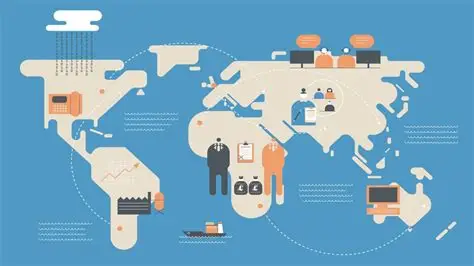
In an increasingly globalized world, businesses are constantly seeking ways to improve efficiency, reduce costs, and access new markets. One of the most widely used strategies to achieve these goals is offshoring. Offshoring has become a key feature of modern business operations, especially in industries driven by globalization and digital transformation.
At its core, offshoring involves relocating certain business activities or processes to another country. While it is often associated with cost savings, offshoring also plays a role in accessing skilled labor, expanding operations, and enhancing competitiveness. This article explores what offshoring is, how it works, its types, advantages, disadvantages, and its impact on the global economy.
Definition of Offshoring
Offshoring is the practice of moving business operations, services, or production to a foreign country. This can involve:
- Manufacturing goods in another country
- Outsourcing services to overseas providers
- Establishing international offices or subsidiaries
The key characteristic of offshoring is that the work is performed outside the company’s home country.
Why Companies Use Offshoring
Organizations choose offshoring for several strategic reasons:
1. Cost Reduction
One of the main motivations is lower labor and operational costs in other countries.
Examples:
- Lower wages
- Reduced infrastructure costs
- Favorable tax conditions
2. Access to Skilled Talent
Some countries offer specialized skills that may be scarce or expensive locally.
Examples:
- IT professionals
- Engineers
- Customer service specialists
3. Focus on Core Activities
By offshoring non-core tasks, companies can concentrate on their main business functions.
4. 24/7 Operations
Different time zones allow companies to operate continuously.
Example:
- Customer support available around the clock
5. Market Expansion
Offshoring can help companies enter new markets and serve international customers.
Types of Offshoring
Offshoring can take different forms depending on how it is implemented:
1. Production Offshoring
Moving manufacturing or production processes to another country.
Example:
- Producing goods in countries with lower labor costs
2. Service Offshoring
Relocating services such as:
- Customer support
- IT services
- Accounting
3. Knowledge Process Offshoring (KPO)
Involves transferring high-value, knowledge-based tasks such as:
- Data analysis
- Research and development
- Financial analysis
This type is closely related to knowledge capital.
4. Captive Offshoring
The company sets up its own operations in another country.
Advantages:
- Greater control
- Better integration with company processes
5. Offshore Outsourcing
The company hires a third-party provider in another country.
Advantages:
- Lower setup costs
- Access to external expertise
How Offshoring Works
Offshoring typically involves several steps:
1. Identifying Suitable Activities
Companies determine which tasks can be moved abroad.
2. Selecting a Location
Factors include:
- Cost
- Skill availability
- Political and economic stability
- Infrastructure
3. Setting Up Operations
This may involve:
- Establishing a new office
- Partnering with a local provider
4. Managing Communication
Effective communication is essential, especially across time zones and cultures.
5. Monitoring Performance
Companies track:
- Quality of work
- Efficiency
- Cost savings
Advantages of Offshoring
1. Cost Efficiency
Lower operational costs can significantly improve profitability.
2. Access to Global Talent
Companies can hire highly skilled workers from around the world.
3. Increased Flexibility
Offshoring allows businesses to scale operations quickly.
4. Enhanced Competitiveness
Lower costs and improved efficiency help companies compete globally.
5. Innovation Opportunities
Access to diverse perspectives can lead to new ideas and innovations.
Disadvantages of Offshoring
1. Communication Challenges
Differences in language, culture, and time zones can create misunderstandings.
2. Quality Control Issues
Maintaining consistent quality can be difficult when operations are remote.
3. Loss of Control
Companies may have less direct oversight of offshore operations.
4. Political and Economic Risks
Changes in foreign policies or economic conditions can impact operations.
5. Impact on Domestic Employment
Offshoring can lead to job losses in the home country.
Offshoring vs Globalization
Offshoring is a key component of globalization, which involves the integration of economies and markets worldwide. However:
- Globalization is a broader concept
- Offshoring is a specific business strategy within globalization
Impact on Knowledge Capital
Offshoring has a significant impact on knowledge capital:
Positive Effects
- Access to global expertise
- Increased knowledge diversity
- Opportunities for knowledge exchange
Negative Effects
- Risk of knowledge loss
- Challenges in knowledge sharing
- Potential fragmentation of knowledge systems
Ethical and Social Considerations
Offshoring raises important ethical issues:
Labor Conditions
Companies must ensure fair wages and safe working conditions.
Environmental Impact
Production in different countries may affect environmental standards.
Economic Inequality
Offshoring can widen the gap between developed and developing countries.
Offshoring in the Digital Age
Technology has transformed offshoring:
- Cloud computing enables remote work
- Digital communication tools improve collaboration
- AI enhances coordination and efficiency
This has made offshoring more accessible and efficient.
Future Trends in Offshoring
1. Shift Toward Knowledge Work
More companies are offshoring high-value tasks, not just routine work.
2. Automation and AI
Some offshore tasks may be replaced by automation.
3. Nearshoring
Companies are moving operations to nearby countries to reduce risks.
4. Hybrid Models
Combining onshore, offshore, and remote work strategies.
Best Practices for Successful Offshoring
To maximize benefits, companies should:
- Choose the right location
- Invest in communication tools
- Establish clear processes
- Monitor performance regularly
- Protect intellectual property
Conclusion
Offshoring is a powerful strategy that enables organizations to reduce costs, access global talent, and enhance competitiveness. While it offers significant advantages, it also presents challenges such as communication barriers, quality control issues, and ethical concerns.
In the digital age, offshoring is evolving beyond simple cost-saving measures to become a strategic tool for innovation and knowledge exchange. As businesses continue to operate globally, understanding offshoring and managing it effectively will be essential for long-term success.
- Arts
- Business
- Computers
- Jogos
- Health
- Início
- Kids and Teens
- Money
- News
- Personal Development
- Recreation
- Regional
- Reference
- Science
- Shopping
- Society
- Sports
- Бизнес
- Деньги
- Дом
- Досуг
- Здоровье
- Игры
- Искусство
- Источники информации
- Компьютеры
- Личное развитие
- Наука
- Новости и СМИ
- Общество
- Покупки
- Спорт
- Страны и регионы
- World

 English
 Russian
 French
 Spanish
 Deutsch
 Turkish
 Dutch
Dutch
 Italiano
 Arabic
 Romaian
 Portuguese (Brazil)
 Greek
Greek
