
How do I separate work from home life?
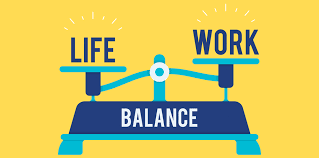
How Do I Separate Work from Home Life?
Separating work from home life is one of the most important challenges in modern working culture, especially with the rise of remote work, hybrid models, freelancing, and digital connectivity. When work and home occupy the same physical and psychological space, the boundaries between professional responsibilities and personal life become blurred. This can lead to overworking, constant mental engagement with job tasks, reduced rest quality, and long-term burnout.
Creating a clear separation is not just about time management—it is about environmental design, behavioral conditioning, cognitive boundaries, and organizational discipline. In other words, you need systems that signal to your brain when you are “at work” and when you are “off work,” even if both occur in the same physical location.
This guide explores practical, psychological, and structural methods to establish a strong separation between work and home life.
1. Why Work and Home Life Blend Together
Before solving the problem, it is important to understand why it happens.
1.1 Remote and Hybrid Work Environments
When you work from home:
-
There is no physical commute to create separation
-
Your home becomes your office
-
Work tools (laptop, phone) are always accessible
This removes the natural transition point between roles.
1.2 Constant Digital Connectivity
Modern communication tools create an “always available” environment:
-
Emails
-
Messaging apps
-
Notifications
Even outside work hours, the presence of digital work signals can keep your mind engaged.
1.3 Lack of Structured Boundaries
In traditional workplaces, structure enforces separation:
-
Fixed working hours
-
Physical office space
-
Social norms (leaving the office = done working)
At home, these structures are self-imposed rather than externally enforced.
1.4 Psychological Spillover
Work stress does not automatically stop when the workday ends. Without deliberate transition, cognitive load spills into personal time.
2. The Importance of Separation
Separating work from home life is not just about productivity—it is essential for:
-
Mental recovery
-
Stress reduction
-
Better sleep quality
-
Improved relationships
-
Long-term career sustainability
Without separation, work becomes continuous, and recovery becomes incomplete.
3. Create Physical Boundaries Between Work and Home
3.1 Dedicated Workspace
One of the most effective methods is to create a designated work area.
This could be:
-
A separate room (ideal)
-
A specific desk or corner
-
A consistent location used only for work
The key principle: your brain should associate a specific space with work activity.
3.2 Avoid Working in Rest Areas
Do not regularly work in:
-
Bed
-
Sofa
-
Dining table (if possible)
These areas should remain psychologically associated with rest and personal life.
3.3 Visual Separation
Even small visual cues help:
-
A specific desk setup for work
-
Removing work items after hours
-
Closing a laptop and storing it away
These signals reinforce “work is over.”
4. Establish Time Boundaries
4.1 Fixed Work Schedule
Define clear working hours:
-
Start time
-
End time
And treat them as non-negotiable wherever possible.
4.2 Avoid “Flexible Drift”
A common problem in remote work is gradual expansion of work hours:
-
Starting earlier
-
Ending later
-
Checking messages in between
This leads to a “constantly working” state.
4.3 Use a Shutdown Routine
At the end of the workday, perform a consistent closing sequence:
-
Finish or pause tasks
-
Review next-day priorities
-
Close all work applications
-
Physically leave workspace (if possible)
This creates psychological closure.
5. Use Psychological Transition Rituals
Your brain responds strongly to routines and signals.
5.1 Morning Work Activation Routine
Before starting work:
-
Change clothes
-
Make coffee/tea
-
Sit at workspace
-
Open task list
This signals “work mode activated.”
5.2 End-of-Day Deactivation Routine
To exit work mode:
-
Write down completed tasks
-
Plan tomorrow
-
Shut down devices
-
Walk away from workspace
This helps your brain disengage.
6. Manage Digital Boundaries
6.1 Turn Off Notifications After Work
Notifications are one of the biggest boundary breakers.
-
Disable work app notifications
-
Silence email alerts
-
Use “Do Not Disturb” modes
6.2 Separate Devices (If Possible)
Best-case setup:
-
Work laptop/phone for work only
-
Personal devices for personal use
This reduces accidental work exposure.
6.3 Avoid Constant Checking
Checking work messages “just in case” keeps your brain in partial work mode. This prevents full mental recovery.
7. Create Mental Separation Between Roles
7.1 Role Switching Awareness
You are not always “a worker.” You also have roles like:
-
Family member
-
Friend
-
Individual with personal goals
Consciously switching roles helps create identity separation.
7.2 End-of-Work Mental Shutdown
After work, consciously tell yourself:
-
“Work is done for today.”
-
“I will resume tomorrow.”
This reinforces cognitive closure.
7.3 Avoid Work Rumination
If work thoughts arise after hours:
-
Write them down
-
Schedule them for tomorrow
-
Let them go intentionally
8. Set Boundaries with Others
8.1 Communicate Availability
Make your working hours clear to:
-
Colleagues
-
Clients
-
Managers
This prevents expectation mismatch.
8.2 Be Consistent with Boundaries
If you sometimes respond after hours, others may assume availability is flexible. Consistency is essential.
8.3 Learn to Politely Decline
If asked to work outside hours:
-
Respond within boundaries
-
Offer next-day completion
-
Avoid immediate compliance by default
9. Manage Workload Effectively
Poor workload management often forces boundary violations.
9.1 Prioritization
Focus on:
-
High-impact tasks first
-
Time-sensitive work
-
Essential responsibilities
9.2 Avoid Overcommitment
Taking on too many tasks leads to:
-
Extended work hours
-
Stress spillover
-
Reduced personal time
9.3 Break Tasks Into Manageable Units
Smaller tasks reduce the likelihood of work bleeding into personal time.
10. Build Strong Recovery Habits
10.1 Physical Activity
Exercise helps transition from work stress to relaxation.
10.2 Hobbies and Non-Work Activities
Engaging in non-work interests reinforces separation.
Examples:
-
Reading
-
Gaming
-
Cooking
-
Sports
10.3 Social Interaction
Spending time with others helps shift focus away from work identity.
11. Design Your Environment for Separation
11.1 Lighting Changes
Use different lighting for work vs personal time:
-
Bright light for work
-
Warm light for relaxation
11.2 Music and Sound Cues
Some people use:
-
Focus music during work
-
Relaxing music afterward
11.3 Physical Reset Actions
After work:
-
Change clothes
-
Leave the house briefly
-
Clean workspace
These actions reinforce transition.
12. Avoid Common Mistakes
12.1 Working in Bed
This destroys both sleep quality and psychological separation.
12.2 Keeping Work Devices Always Visible
Constant visibility = constant mental activation.
12.3 No Defined Stop Time
Without a stopping point, work naturally expands.
13. When Separation Becomes Difficult
Some roles require flexibility, but even then:
-
Set minimum boundaries
-
Protect at least part of the day
-
Ensure recovery periods exist
If separation consistently fails, it may indicate workload or organizational issues rather than personal discipline problems.
14. Long-Term Strategy for Sustainable Balance
14.1 Regular Review
Assess weekly:
-
Are work hours expanding?
-
Is personal time protected?
14.2 Adjust Systems, Not Just Effort
If boundaries fail repeatedly, change the system:
-
Adjust schedule
-
Modify workspace
-
Reduce workload
14.3 Reinforce Identity Separation
Maintain awareness that:
-
Work is something you do
-
Not something you are all the time
Conclusion
Separating work from home life is not achieved through a single habit—it is the result of multiple reinforcing systems. Physical boundaries, time structures, digital discipline, psychological routines, and workload management all work together to create separation.
When done correctly, you regain control over your attention and energy. Work becomes contained within defined boundaries, and home life becomes a space for recovery, relationships, and personal growth.
The key principle is simple: you must actively end work each day, not just stop doing tasks.
- Arts
- Business
- Computers
- Games
- Health
- Home
- Kids and Teens
- Money
- News
- Personal Development
- Recreation
- Regional
- Reference
- Science
- Shopping
- Society
- Sports
- Бизнес
- Деньги
- Дом
- Досуг
- Здоровье
- Игры
- Искусство
- Источники информации
- Компьютеры
- Личное развитие
- Наука
- Новости и СМИ
- Общество
- Покупки
- Спорт
- Страны и регионы
- World

 Russian
 French
 Spanish
 Portuguese
 Deutsch
 Turkish
 Dutch
Dutch
 Italiano
 Arabic
 Romaian
 Portuguese (Brazil)
 Greek
Greek