
How do I maintain work-life balance in a stressful job?
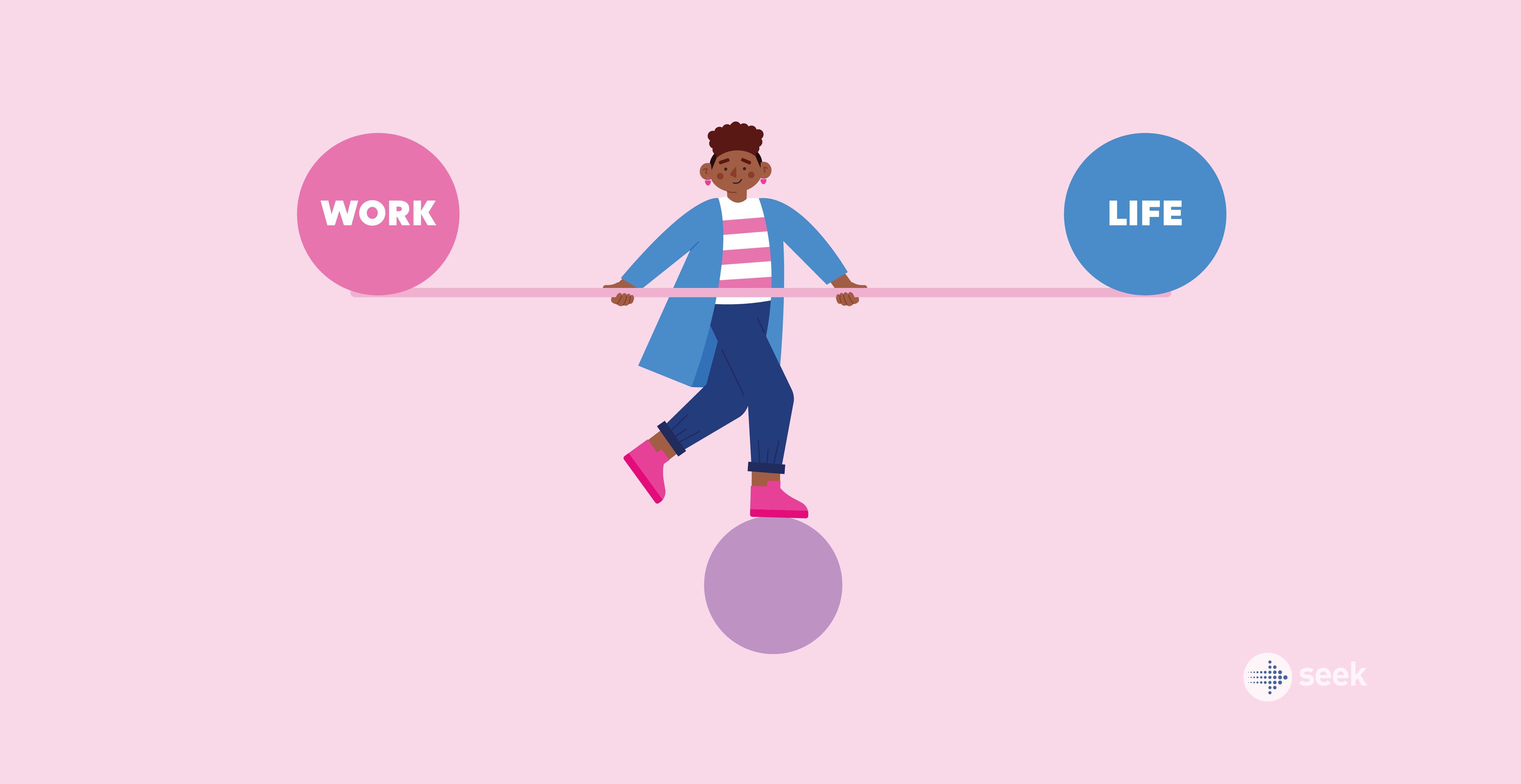
How Do I Maintain Work–Life Balance in a Stressful Job?
Maintaining work–life balance in a stressful job is not about achieving a perfect 50/50 split between work and personal life. In high-pressure roles, such symmetry is unrealistic. Instead, work–life balance is about sustainable allocation of energy, time, and attention so that work demands are met without systematically degrading your physical health, mental stability, relationships, or long-term productivity.
Stressful jobs—whether in healthcare, tech, finance, law, emergency services, or high-growth startups—share a common pattern: high cognitive load, frequent urgency, and limited recovery time. Without deliberate management, this leads to burnout, reduced performance, and emotional exhaustion.
This guide breaks down practical, structured strategies for maintaining balance even in demanding roles.
1. Reframe What Work–Life Balance Actually Means
A key misconception is that work–life balance means equal hours. In reality, it means:
-
Work does not permanently invade personal recovery time
-
Personal life restores your capacity to perform at work
-
Stress is cyclical, not constant
-
You maintain control over boundaries and recovery
In stressful jobs, balance often looks like short-term imbalance with planned recovery, not constant equilibrium.
For example:
-
A deadline week may require extra hours
-
The following period must include recovery and lighter load
Without recovery cycles, stress becomes cumulative and damaging.
2. Understand the Structure of Stress in High-Pressure Jobs
Stressful jobs typically involve:
-
Time pressure (tight deadlines, urgent tasks)
-
High responsibility (financial, safety, or operational stakes)
-
Cognitive overload (complex decision-making)
-
Interrupt-driven workflows (constant notifications, meetings, emergencies)
This creates a condition known as chronic activation, where the nervous system rarely fully downshifts.
The goal is not to eliminate stress entirely, but to introduce controlled deactivation periods.
3. Set Hard Boundaries Between Work and Personal Time
Boundaries are the foundation of work–life balance.
Types of boundaries:
a. Time boundaries
Define clear start and end times for work whenever possible.
Even in flexible jobs:
-
Establish a “shutdown time”
-
Avoid “just one more task” creep
b. Communication boundaries
-
Avoid checking work messages outside designated hours
-
Disable notifications during personal time
-
Use “delay response” norms unless truly urgent
c. Cognitive boundaries
Even if you are not actively working, thinking about work drains mental energy.
Techniques:
-
Write down unresolved tasks before ending the day
-
Create a “parking lot” list for tomorrow
-
Mentally close the workday with a routine
Boundaries are not rigid rules—they are energy protection mechanisms.
4. Master Energy Management, Not Just Time Management
In stressful jobs, time is often fixed, but energy fluctuates.
Key principle:
You do not need more hours—you need better allocation of cognitive energy.
Energy management strategies:
-
Do high-focus tasks during peak mental hours
-
Batch low-cognitive tasks (emails, admin work)
-
Take short recovery breaks between deep work sessions
-
Avoid context switching when possible
When energy is managed properly, workload feels significantly less overwhelming even if hours remain the same.
5. Create Micro-Recovery Systems During the Workday
Waiting until the end of the day to recover is too late in high-stress roles.
Instead, use micro-recovery:
-
2–5 minute breaks between tasks
-
Brief walks or stretching
-
Controlled breathing (downregulates stress response)
-
Stepping away from screens periodically
These small resets prevent stress accumulation.
A stressed brain that never resets becomes progressively less efficient.
6. Reduce Context Switching and Fragmentation
One of the biggest hidden stress amplifiers is constant switching between tasks.
Effects include:
-
Cognitive fatigue
-
Reduced focus quality
-
Increased error rates
-
Feeling “always busy but never productive”
Solutions:
-
Group similar tasks together
-
Use dedicated focus blocks (e.g., 60–90 minutes)
-
Silence non-essential notifications
-
Avoid multitasking during deep work
Reducing fragmentation often produces immediate relief.
7. Build a Strong Shutdown Ritual
A shutdown ritual signals to your brain that work is complete.
Without it, the mind stays partially “on duty,” which prevents real recovery.
A good shutdown routine includes:
-
Reviewing completed tasks
-
Writing tomorrow’s priorities
-
Closing all work applications
-
Physically separating from work space if possible
Over time, this trains psychological detachment from work outside working hours.
8. Protect Sleep as a Non-Negotiable Recovery System
Sleep is the most important recovery mechanism for stress regulation.
Chronic work stress without sleep recovery leads to:
-
Reduced emotional control
-
Poor decision-making
-
Higher irritability
-
Lower resilience
Sleep protection strategies:
-
Consistent sleep schedule
-
Avoid work-related input before bed
-
Reduce late-night screen exposure
-
Create a wind-down routine
In stressful jobs, sleep is not optional—it is performance infrastructure.
9. Learn Strategic Saying No
In high-pressure environments, overcommitment is common.
But every “yes” has an opportunity cost:
-
Time
-
Energy
-
Recovery capacity
Effective approaches:
-
Prioritize tasks aligned with core responsibilities
-
Decline non-essential work when overloaded
-
Negotiate deadlines when possible
-
Clarify scope before accepting tasks
Saying no is not avoidance—it is workload calibration.
10. Separate Identity From Job Role
One of the biggest risks in stressful jobs is identity fusion:
“I am my work performance.”
This leads to:
-
Overwork
-
Anxiety tied to performance
-
Difficulty disconnecting
Healthier framing:
-
“I do important work, but I am not defined by it.”
This separation reduces emotional volatility when work is demanding.
11. Strengthen Outside-of-Work Anchors
Work–life balance improves when life outside work is meaningful and structured.
Strong anchors include:
-
Relationships and social time
-
Physical activity
-
Hobbies and creative activities
-
Personal goals unrelated to work
Without external anchors, work naturally expands to fill all available mental space.
12. Manage Stress Physiology Directly
Stress is not just psychological—it is physiological.
Effective regulation tools:
-
Regular exercise (reduces cortisol, improves mood stability)
-
Controlled breathing techniques
-
Walking, especially outdoors
-
Brief mindfulness or grounding practices
These help reset the nervous system, not just the mind.
13. Avoid the “Always Available” Trap
Many stressful jobs normalize constant availability.
This creates:
-
Anticipatory anxiety
-
Lack of true downtime
-
Chronic stress activation
Where possible:
-
Define response expectations
-
Communicate availability windows
-
Avoid responding instantly to non-urgent messages
Availability should be intentional, not automatic.
14. Periodically Reassess Workload Reality
Workload imbalance often becomes invisible over time.
Ask regularly:
-
Is my workload sustainable long-term?
-
What tasks are low-value or delegable?
-
What has crept into my schedule unnecessarily?
Stressful jobs often expand gradually unless actively managed.
15. Use Recovery Time Intentionally
Rest is not passive—it should actively restore capacity.
Good recovery activities:
-
Exercise
-
Social interaction
-
Hobbies requiring attention shift
-
Nature exposure
-
Relaxation without productivity pressure
Passive scrolling or “zombie rest” often fails to restore energy effectively.
16. Recognize Early Signs of Burnout
Preventative awareness is critical.
Early warning signs:
-
Persistent fatigue
-
Reduced motivation
-
Irritability
-
Cognitive fog
-
Emotional detachment
If these appear consistently, recovery strategies must be intensified immediately.
17. Accept That Balance Is Dynamic, Not Fixed
Work–life balance in stressful jobs is not static.
It shifts based on:
-
Work cycles
-
Deadlines
-
Life events
-
Energy levels
The goal is not perfection—it is continuous recalibration.
Conclusion
Maintaining work–life balance in a stressful job requires deliberate systems rather than passive hope. It depends on boundary setting, energy management, structured recovery, and psychological separation from work identity.
The most effective principles are:
-
Strong time and communication boundaries
-
Energy-focused planning instead of pure time optimization
-
Micro-recovery throughout the day
-
Sleep protection as a non-negotiable priority
-
Intentional disengagement from work outside working hours
-
Regular reassessment of workload and stress levels
Ultimately, balance is not about reducing work intensity alone—it is about ensuring that recovery and personal life are strong enough to sustain that intensity over time without long-term damage.
- Arts
- Business
- Computers
- Jeux
- Health
- Domicile
- Kids and Teens
- Argent
- News
- Personal Development
- Recreation
- Regional
- Reference
- Science
- Shopping
- Society
- Sports
- Бизнес
- Деньги
- Дом
- Досуг
- Здоровье
- Игры
- Искусство
- Источники информации
- Компьютеры
- Личное развитие
- Наука
- Новости и СМИ
- Общество
- Покупки
- Спорт
- Страны и регионы
- World

 English
 Russian
 Spanish
 Portuguese
 Deutsch
 Turkish
 Dutch
Dutch
 Italiano
 Arabic
 Romaian
 Portuguese (Brazil)
 Greek
Greek