
What are quick healthy habits?
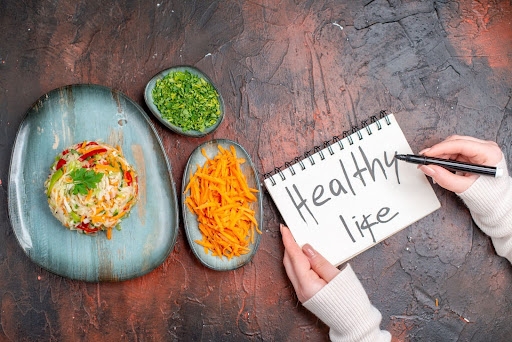
What Are Quick Healthy Habits?
Quick healthy habits are small, low-effort actions that improve your physical health, mental clarity, and overall wellbeing without requiring major lifestyle changes or large time investments. Unlike complex routines that demand motivation, planning, and discipline, quick habits are designed to be almost automatic—so simple that they can be done even on busy, stressful, or low-energy days.
The power of these habits lies in compounding. A single healthy action may seem insignificant, but repeated consistently, it can reshape your energy levels, productivity, fitness, and long-term health outcomes.
This article explains what quick healthy habits are, why they work, and how to apply them effectively in daily life.
1. The Core Idea Behind Quick Healthy Habits
At their foundation, quick healthy habits are based on three principles:
1. Low friction
They require minimal time, effort, or setup.
2. High frequency
They can be repeated daily or multiple times per day.
3. High consistency
They are easy enough to maintain even when motivation is low.
The goal is not intensity—it is repetition. A 30-minute workout once a week is less impactful than a 2-minute movement habit done daily.
2. Why Small Habits Matter More Than Big Changes
Many people try to improve their health with extreme changes:
-
Strict diets
-
Intense workout programs
-
Overly complex routines
While these can work short-term, they often fail because they are difficult to maintain.
Quick habits work better because they:
-
Bypass motivation dependence
-
Reduce decision fatigue
-
Fit into existing routines
-
Build identity-based behavior (“I am someone who takes care of myself”)
Over time, small actions compound into major lifestyle transformation.
3. Morning Hydration Habit
One of the simplest and most effective health habits is drinking water first thing in the morning.
Why it works:
-
Rehydrates the body after sleep
-
Supports metabolism
-
Improves alertness and brain function
How to do it:
-
Keep water near your bed
-
Drink 1 glass immediately after waking
This habit takes seconds but sets a healthy tone for the entire day.
4. 2–5 Minute Movement Breaks
You don’t need long workouts to benefit from movement.
Examples:
-
Stretching
-
Bodyweight squats
-
Light walking
-
Shoulder rolls
Benefits:
-
Improves circulation
-
Reduces stiffness from sitting
-
Boosts energy and focus
Even short bursts of movement throughout the day significantly improve overall physical health.
5. Walking After Meals
A short walk after eating is one of the easiest metabolic health habits.
Benefits:
-
Helps digestion
-
Stabilizes blood sugar
-
Reduces fatigue after meals
How to apply it:
-
Walk for 5–10 minutes after lunch or dinner
-
Keep it light and relaxed
This habit is especially powerful for people with sedentary lifestyles.
6. Deep Breathing Reset
Breathing exercises are a fast way to regulate stress.
Simple method:
-
Inhale slowly for 4 seconds
-
Hold for 2 seconds
-
Exhale for 6 seconds
Benefits:
-
Reduces stress hormones
-
Improves focus
-
Lowers heart rate
Even 1–2 minutes can significantly shift your mental state.
7. The “One Healthy Swap” Habit
Instead of overhauling your diet, focus on small substitutions.
Examples:
-
Water instead of soda
-
Fruit instead of candy
-
Whole grains instead of refined carbs
Why it works:
-
No restriction mindset
-
Easy to maintain
-
Builds healthier eating patterns over time
Small dietary swaps often lead to large long-term improvements.
8. Standing Up Every Hour
Modern life involves long periods of sitting, which negatively affects health.
Quick habit:
-
Stand up or move for 1–2 minutes every hour
Benefits:
-
Improves posture
-
Reduces back and neck strain
-
Boosts circulation
This habit is especially useful for people working at desks.
9. 10-Second Posture Check
Poor posture is often unconscious.
Habit:
-
Every so often, check: “Am I slouching?”
-
Reset shoulders and spine
Benefits:
-
Reduces long-term back pain
-
Improves breathing
-
Enhances energy levels
It is a micro-adjustment that pays off over time.
10. Quick Gratitude Reflection
Mental health habits do not need to be long or complicated.
Habit:
-
Think of 1–3 things you are grateful for daily
Benefits:
-
Improves mood
-
Reduces stress
-
Builds emotional resilience
This can be done in under a minute and requires no tools.
11. Screen Break Habit
Excess screen time contributes to fatigue and eye strain.
Quick habit:
-
Take a 20–30 second break every 20–30 minutes
-
Look away from the screen or close your eyes
Benefits:
-
Reduces eye strain
-
Improves focus
-
Prevents mental fatigue
This is often called the “micro-reset” for digital health.
12. Simple Stretch Before Bed
A short stretching routine can improve sleep quality.
Examples:
-
Neck stretches
-
Forward bends
-
Shoulder relaxation
Benefits:
-
Reduces muscle tension
-
Calms the nervous system
-
Prepares the body for sleep
Even 2–3 minutes can make a noticeable difference.
13. The “Clean One Thing” Habit
Instead of full cleaning sessions, focus on small actions.
Examples:
-
Wash one dish immediately
-
Put one item back in place
-
Clear one surface
Benefits:
-
Prevents clutter buildup
-
Reduces mental load
-
Maintains organization effortlessly
This habit is about consistency, not intensity.
14. Sunlight Exposure Habit
Natural light is essential for regulating energy and sleep cycles.
Habit:
-
Spend a few minutes outside during the day
-
Especially in the morning if possible
Benefits:
-
Improves mood
-
Regulates circadian rhythm
-
Boosts alertness
Even brief exposure is beneficial.
15. Protein or Healthy Snack Awareness
Nutrition does not need to be complicated.
Habit:
-
Include a protein or healthy snack when hungry
Examples:
-
Nuts
-
Yogurt
-
Eggs
-
Fruit
Benefits:
-
Stabilizes energy levels
-
Reduces cravings
-
Supports muscle and metabolic health
This avoids extreme dieting while improving nutrition quality.
16. The “2-Minute Start” Rule
Starting is often the hardest part of any healthy activity.
Habit:
-
Commit to just 2 minutes of exercise or healthy behavior
Why it works:
-
Removes psychological resistance
-
Often leads to longer activity
-
Builds momentum quickly
This applies to workouts, cleaning, studying, or any productive habit.
17. Hydration Check Habit
Instead of tracking complex metrics, use simple cues.
Habit:
-
Check hydration throughout the day
-
Drink water regularly, not just when thirsty
Benefits:
-
Prevents fatigue
-
Improves cognitive performance
-
Supports physical health
Hydration is one of the most overlooked quick habits.
18. Mental Reset Pause
Short pauses can dramatically improve mental clarity.
Habit:
-
Stop for 10–20 seconds during stress or overwhelm
-
Take a breath and reset attention
Benefits:
-
Reduces impulsive reactions
-
Improves decision-making
-
Lowers stress levels
It is a micro-intervention with strong psychological effects.
19. Consistency Over Complexity
The defining principle of quick healthy habits is simplicity.
Key Insight:
You do not need perfect routines—you need repeatable ones.
Why it matters:
-
Complex systems fail under stress
-
Simple systems survive real life
-
Consistency compounds over time
A 1% daily improvement leads to massive long-term change.
20. Building a System of Quick Habits
The most effective approach is not doing one habit—it is combining several small habits into a system.
Example system:
-
Morning water
-
Short movement break
-
Healthy snack choice
-
Evening stretch
-
Brief gratitude reflection
Each habit takes seconds or minutes, but together they transform overall health.
Conclusion
Quick healthy habits are powerful because they remove the barriers that usually prevent people from maintaining a healthy lifestyle. They are small, flexible, and easy to integrate into daily life, yet they produce significant long-term benefits through repetition and compounding.
The most important principles are:
-
Keep habits simple
-
Make them easy to repeat
-
Focus on consistency over intensity
-
Integrate them into existing routines
Over time, these small actions shape your energy, focus, physical health, and emotional wellbeing.
Health is not built through drastic effort—it is built through small, repeated actions done consistently.
- Arts
- Business
- Computers
- Jocuri
- Health
- Home
- Kids and Teens
- Money
- News
- Personal Development
- Recreation
- Regional
- Reference
- Science
- Shopping
- Society
- Sports
- Бизнес
- Деньги
- Дом
- Досуг
- Здоровье
- Игры
- Искусство
- Источники информации
- Компьютеры
- Личное развитие
- Наука
- Новости и СМИ
- Общество
- Покупки
- Спорт
- Страны и регионы
- World

 English
 Russian
 French
 Spanish
 Portuguese
 Deutsch
 Turkish
 Dutch
Dutch
 Italiano
 Arabic
 Portuguese (Brazil)
 Greek
Greek