
What Is Outsourcing Project Management?
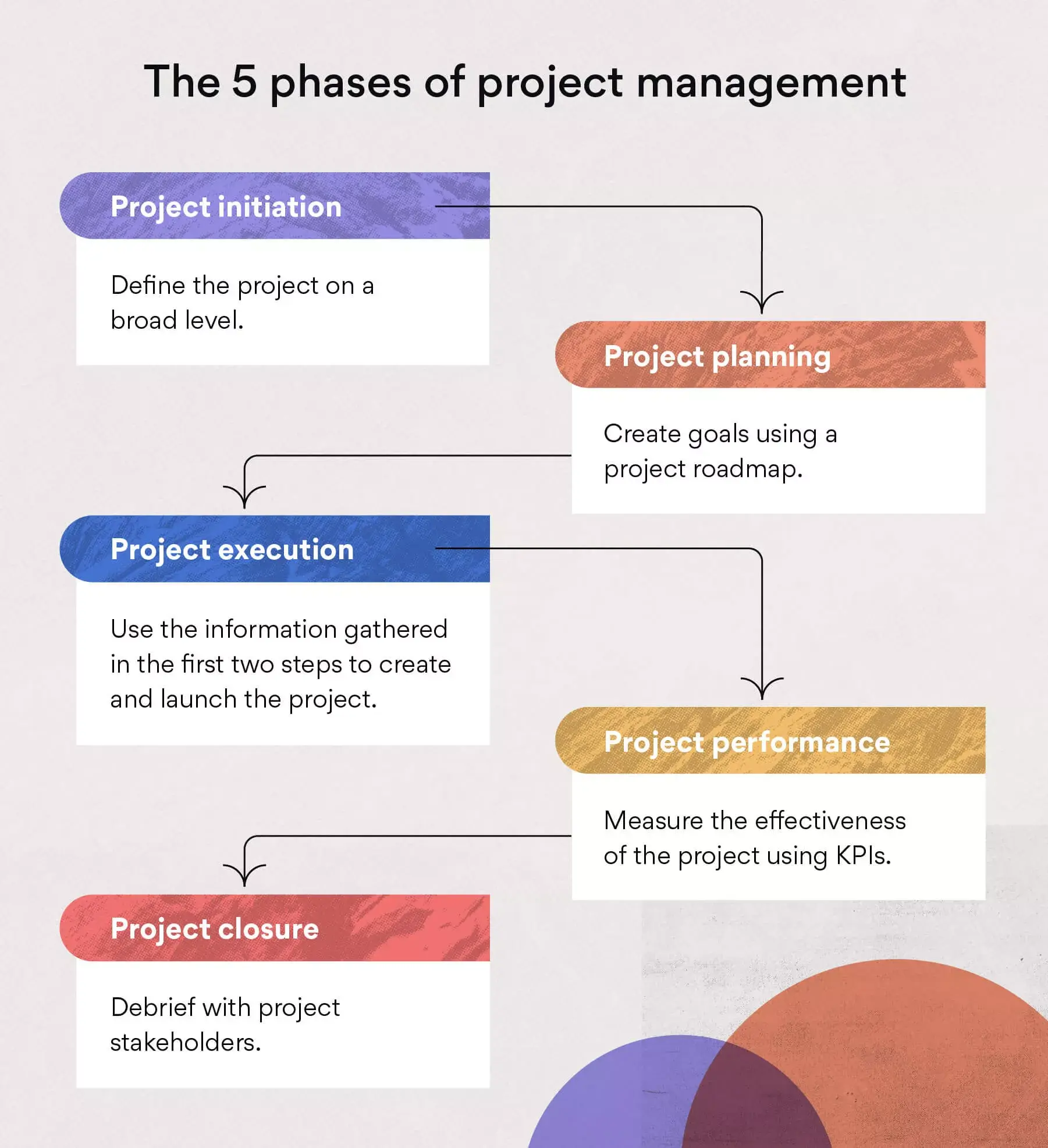
Outsourcing project management is a growing practice in modern business, where companies delegate the responsibility of planning, executing, and overseeing projects to external professionals or firms. Instead of relying solely on internal managers, organizations bring in experienced project managers from outside to ensure projects are delivered efficiently, on time, and within budget.
As businesses become more global and complex, outsourcing project management has become a strategic way to access expertise, improve efficiency, and reduce operational strain. However, it also requires careful coordination and clear processes to succeed.
In this article, we’ll explore what outsourcing project management is, how it works, its benefits, challenges, and when it makes sense for businesses.
What Is Outsourcing Project Management?
Outsourcing project management means hiring an external individual or organization to manage a project or a group of projects.
Responsibilities Typically Include:
- Project planning and scheduling
- Resource allocation
- Budget management
- Risk assessment
- Team coordination
- Performance tracking
The outsourced project manager acts as the central point of control, ensuring that all aspects of the project align with the company’s goals.
How It Differs from Traditional Project Management
In traditional setups, project management is handled internally by company employees. With outsourcing, the responsibility shifts to an external expert.
Key Differences:
| Aspect | In-House | Outsourced |
|---|---|---|
| Control | High | Shared |
| Cost | Fixed salaries | Variable costs |
| Expertise | Limited to team | Access to specialists |
| Flexibility | Less flexible | Highly flexible |
Outsourcing introduces more flexibility and expertise but requires stronger coordination.
Types of Outsourced Project Management
Outsourcing project management can take different forms depending on the company’s needs.
1. Full Project Outsourcing
The external provider manages the entire project from start to finish.
2. Partial Outsourcing
Only certain aspects of the project (e.g., planning or monitoring) are outsourced.
3. Staff Augmentation
External project managers work alongside internal teams to provide additional support.
Each model offers different levels of control and involvement.
Why Companies Outsource Project Management
1. Access to Expertise
Experienced project managers bring specialized skills and industry knowledge that may not exist internally.
2. Cost Efficiency
Companies avoid the cost of hiring full-time project managers, especially for short-term projects.
3. Improved Efficiency
External professionals often use proven methodologies and tools to streamline processes.
4. Focus on Core Business
Outsourcing project management allows internal teams to focus on strategic activities.
5. Scalability
Businesses can scale project management resources up or down based on demand.
Key Functions of an Outsourced Project Manager
An outsourced project manager typically handles:
Planning
- Defining project scope
- Setting timelines
- Allocating resources
Execution
- Coordinating teams
- Managing workflows
- Ensuring tasks are completed
Monitoring
- Tracking progress
- Measuring performance
- Reporting updates
Risk Management
- Identifying potential issues
- Implementing mitigation strategies
Communication
- Acting as a bridge between stakeholders and teams
Tools Used in Outsourced Project Management
Outsourced project managers rely on various tools to manage projects effectively.
Common Tools:
- Project management software (Asana, Jira, Trello)
- Communication platforms (Slack, Zoom)
- File-sharing systems
These tools help maintain transparency and collaboration across teams.
Benefits of Outsourcing Project Management
1. Faster Project Delivery
Experienced managers can streamline workflows and avoid common pitfalls.
2. Better Risk Management
External experts often have experience handling similar challenges.
3. Objective Perspective
Outsourced managers bring a fresh, unbiased viewpoint.
4. Access to Best Practices
They apply proven methodologies such as Agile or Waterfall.
5. Reduced Internal Burden
Internal teams can focus on their core responsibilities.
Challenges of Outsourcing Project Management
1. Loss of Control
Companies may feel less control over project decisions.
2. Communication Barriers
Working with external teams can create communication challenges.
3. Integration Issues
Aligning external managers with internal processes can be difficult.
4. Dependency Risks
Over-reliance on external managers can create long-term challenges.
When Should You Outsource Project Management?
Outsourcing project management is particularly useful when:
- The company lacks internal expertise
- Projects are complex or large-scale
- Deadlines are tight
- Temporary support is needed
- Expansion into new markets is planned
It may not be ideal for highly sensitive or core strategic projects.
Best Practices for Managing Outsourced Project Managers
To ensure success, companies should:
1. Define Clear Objectives
Set specific goals and expectations.
2. Establish Communication Protocols
Ensure regular updates and clear reporting.
3. Use Performance Metrics
Track progress using KPIs.
4. Maintain Oversight
Even with outsourcing, internal oversight is essential.
5. Build Strong Relationships
Treat outsourced managers as partners, not just vendors.
Outsourcing Project Management vs. PMO
Some companies compare outsourcing project management with building an internal Project Management Office (PMO).
Outsourcing:
- Flexible
- Cost-effective
- Quick to implement
PMO:
- Long-term control
- Consistent processes
- Higher initial investment
The choice depends on business needs and scale.
Future of Outsourced Project Management
With the rise of remote work and global collaboration, outsourcing project management is becoming more common.
Trends:
- Increased use of digital tools
- Global talent access
- Hybrid project management models
Businesses are increasingly combining internal and external resources for optimal results.
Conclusion
Outsourcing project management is a strategic approach that allows businesses to leverage external expertise, improve efficiency, and manage projects more effectively. While it offers many benefits, it also requires careful planning, communication, and oversight.
By choosing the right partners, defining clear expectations, and maintaining strong collaboration, companies can successfully outsource project management and achieve their goals.
Ultimately, outsourcing project management is not just about delegating tasks—it’s about enhancing the way projects are executed and ensuring long-term success.
- Arts
- Business
- Computers
- Jogos
- Health
- Início
- Kids and Teens
- Money
- News
- Personal Development
- Recreation
- Regional
- Reference
- Science
- Shopping
- Society
- Sports
- Бизнес
- Деньги
- Дом
- Досуг
- Здоровье
- Игры
- Искусство
- Источники информации
- Компьютеры
- Личное развитие
- Наука
- Новости и СМИ
- Общество
- Покупки
- Спорт
- Страны и регионы
- World

 English
 Russian
 French
 Spanish
 Deutsch
 Turkish
 Dutch
Dutch
 Italiano
 Arabic
 Romaian
 Portuguese (Brazil)
 Greek
Greek