
How do I decorate a minimalist home?
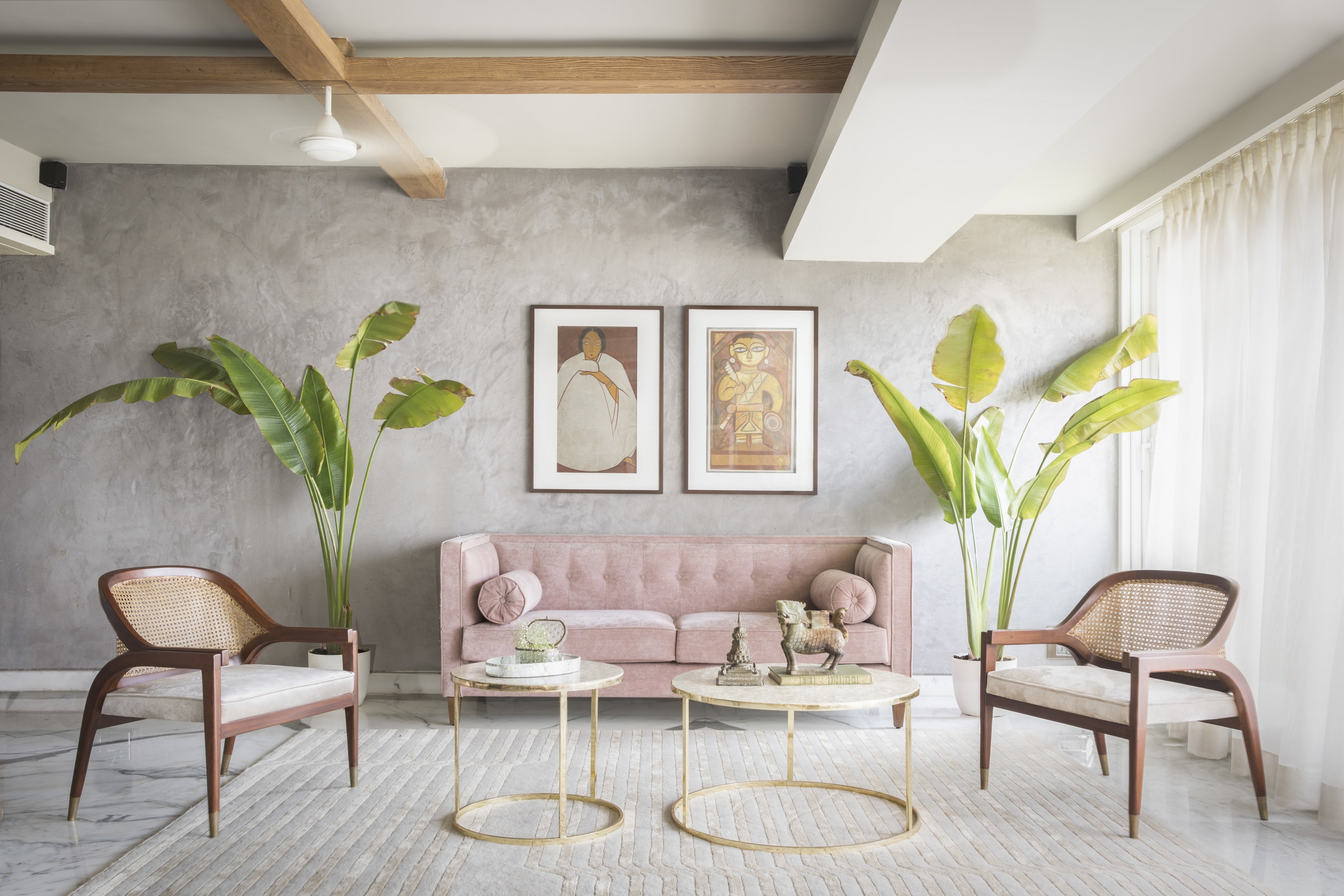
How Do I Decorate a Minimalist Home?
Decorating a minimalist home is a disciplined exercise in intentional design. The objective is not to strip a space bare, but to create an environment where every element contributes to function, clarity, and visual harmony. Minimalist décor is less about what you add and more about what you choose to keep—and how those choices interact.
A well-decorated minimalist home feels calm, cohesive, and purposeful. It avoids both clutter and sterility by balancing simplicity with warmth. This guide breaks down the process in a structured, practical way, covering principles, room-by-room strategies, and common pitfalls.
Understanding Minimalist Decoration
Minimalist decoration operates on a few foundational ideas:
-
Intentionality: Every object has a purpose or meaning
-
Restraint: Avoid excess, even when tempted
-
Cohesion: Elements work together visually
-
Functionality: Design supports how you live
This differs from traditional decorating, which often prioritizes layering and abundance. Minimalism instead focuses on editing and refinement.
Step 1: Start With Decluttering
You cannot decorate effectively without first removing excess.
The Objective
Clear out anything that:
-
Does not serve a purpose
-
Does not align with your style
-
Creates visual noise
Practical Method
Go room by room and evaluate:
-
Surfaces (tables, shelves, counters)
-
Storage (closets, cabinets)
-
Decorative items
Use three categories:
-
Keep
-
Store
-
Remove
Minimalist decoration begins after subtraction, not before.
Step 2: Define a Clear Style Direction
Minimalism is not one rigid look—it has variations. You need a clear direction to avoid inconsistency.
Common Minimalist Variants
-
Warm minimalism: soft textures, natural tones
-
Modern minimalism: sharp lines, monochrome palette
-
Scandinavian-inspired: light woods, cozy elements
How to Define Yours
Identify:
-
Preferred colors
-
Materials you like
-
Level of warmth vs starkness
Consistency is critical. Without it, even a minimal space can feel disjointed.
Step 3: Build a Neutral Base
A minimalist home relies on a calm, controlled color palette.
Core Colors
Use 2–4 base tones such as:
-
White
-
Beige
-
Gray
-
Soft earth tones
Why It Matters
Neutral colors:
-
Reduce visual clutter
-
Reflect light
-
Create cohesion across rooms
Adding Contrast
Use subtle contrast through:
-
Black accents
-
Dark wood
-
Muted secondary tones
Avoid excessive color variation—it breaks the minimalist effect.
Step 4: Focus on High-Quality Foundations
Before adding décor, ensure your core elements are strong.
Key Foundations
-
Sofa or seating
-
Bed and bedding
-
Dining table
-
Lighting
Minimalist spaces depend heavily on these pieces because there are fewer distractions.
Selection Criteria
-
Clean lines
-
Neutral tones
-
Durable materials
-
Proper proportions
If the foundation is weak, no amount of decoration will fix the space.
Step 5: Use Fewer, Larger Decorative Pieces
Minimalism favors impact over quantity.
Instead of:
-
Multiple small decorations
Choose:
-
One larger statement piece
Examples:
-
A single large artwork
-
One sculptural vase
-
A prominent plant
This approach:
-
Reduces clutter
-
Creates visual focus
-
Enhances sophistication
Step 6: Embrace Negative Space
Negative space is a design tool, not empty space.
How to Use It
-
Leave gaps between furniture
-
Avoid filling every wall
-
Keep surfaces partially clear
Why It Works
It:
-
Improves visual clarity
-
Highlights key elements
-
Creates a sense of calm
A common mistake is trying to “complete” empty areas. In minimalism, emptiness is intentional.
Step 7: Incorporate Texture for Warmth
Without texture, minimalist spaces can feel cold.
Add Texture Through
-
Fabrics (linen, wool, cotton)
-
Rugs
-
Curtains
-
Wood finishes
Example
A neutral living room can feel rich with:
-
A textured rug
-
Soft cushions
-
A woven throw
Texture replaces excessive decoration.
Step 8: Decorate With Purposeful Objects
Every decorative item should pass a strict filter.
Ask:
-
Does this add value?
-
Does it fit the aesthetic?
-
Does it create balance?
Good Minimalist Décor Examples
-
A ceramic vase
-
A framed artwork
-
A single plant
-
A sculptural object
Avoid:
-
Random accessories
-
Trend-based clutter
-
Excessive collections
Step 9: Use Lighting Strategically
Lighting is both functional and decorative.
Types of Lighting
-
Natural light: maximize with open windows
-
Ambient lighting: soft, even illumination
-
Accent lighting: highlights specific features
Fixture Style
Choose:
-
Simple, clean designs
-
Neutral finishes
Lighting can define the mood of the entire space without adding clutter.
Step 10: Keep Surfaces Minimal
Flat surfaces are focal points in a minimalist home.
Guidelines
-
Limit items on tables and counters
-
Use trays to group objects
-
Leave some areas completely empty
Example
A coffee table might have:
-
One book
-
One small object
That’s enough.
Room-by-Room Decoration Guide
Living Room
Focus on comfort and simplicity.
Key Elements
-
Neutral sofa
-
Simple coffee table
-
One or two accent pieces
Decoration Tips
-
Use a single artwork above the sofa
-
Add a textured rug
-
Keep shelves minimal
Bedroom
Prioritize calmness and rest.
Key Elements
-
Clean bedding
-
Minimal furniture
-
Soft lighting
Decoration Tips
-
Limit décor to 1–2 items
-
Use neutral or muted tones
-
Keep nightstands uncluttered
Kitchen
Functionality dominates.
Key Elements
-
Clear countertops
-
Organized storage
Decoration Tips
-
Display only essential items
-
Use uniform containers
-
Add one natural element (e.g., fruit bowl)
Bathroom
Focus on cleanliness and simplicity.
Key Elements
-
Minimal toiletries visible
-
Neutral towels
Decoration Tips
-
Use matching containers
-
Add one decorative element (plant or candle)
Workspace
Optimize for focus.
Key Elements
-
Clean desk
-
Ergonomic chair
Decoration Tips
-
Keep only essential tools visible
-
Add one inspiring object
-
Manage cables effectively
Balancing Minimalism and Personality
Minimalism should not erase your identity.
How to Personalize
-
Choose meaningful décor
-
Display a few personal items
-
Use subtle color accents
The goal is curated personality, not absence of character.
Common Mistakes to Avoid
1. Over-Decorating
Adding too many items defeats the purpose.
Solution: Edit aggressively.
2. Going Too Bare
Removing too much can make a space feel cold.
Solution: Add texture and warmth.
3. Ignoring Function
A beautiful space that doesn’t work is ineffective.
Solution: Prioritize usability.
4. Inconsistent Style
Mixing too many styles creates visual chaos.
Solution: Stick to a defined aesthetic.
5. Following Trends
Minimalism is about timelessness, not trends.
Solution: Focus on longevity.
Maintaining a Minimalist Home
Decoration is not a one-time process.
Ongoing Practices
-
Regular decluttering
-
Mindful purchasing
-
Reassessing items periodically
The One-In, One-Out Rule
For every new item:
-
Remove one existing item
This maintains balance.
The Psychological Impact
Minimalist homes influence behavior and mindset.
Benefits
-
Reduced stress
-
Improved focus
-
Greater sense of control
A clean, intentional environment supports mental clarity.
Final Thoughts
Decorating a minimalist home is about precision, not absence.
By:
-
Decluttering first
-
Building a cohesive foundation
-
Using fewer, better pieces
-
Embracing space and simplicity
You create an environment that is:
-
Calm
-
Functional
-
Visually refined
Minimalism is ultimately about alignment—ensuring that your space reflects your priorities without unnecessary distraction.
- Arts
- Business
- Computers
- Oyunlar
- Health
- Home
- Kids and Teens
- Money
- News
- Personal Development
- Recreation
- Regional
- Reference
- Science
- Shopping
- Society
- Sports
- Бизнес
- Деньги
- Дом
- Досуг
- Здоровье
- Игры
- Искусство
- Источники информации
- Компьютеры
- Личное развитие
- Наука
- Новости и СМИ
- Общество
- Покупки
- Спорт
- Страны и регионы
- World

 English
 Russian
 French
 Spanish
 Portuguese
 Deutsch
 Dutch
Dutch
 Italiano
 Arabic
 Romaian
 Portuguese (Brazil)
 Greek
Greek