
What foods help improve focus?
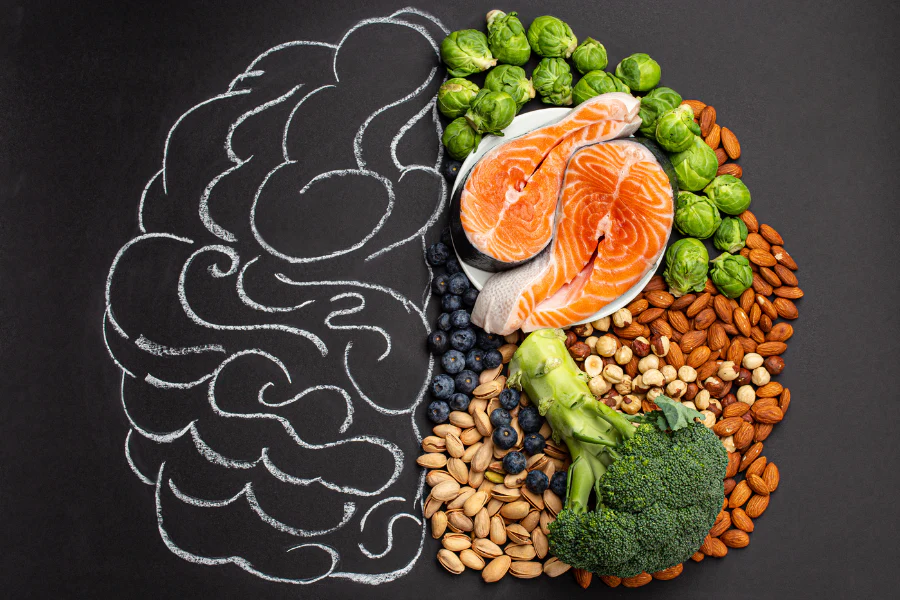
What Foods Help Improve Focus?
Focus is not only a cognitive skill shaped by habits, environment, and attention training—it is also strongly influenced by biology. The brain is an energy-intensive organ, consuming roughly 20% of the body’s total energy despite making up only a small fraction of body weight. Because of this, what you eat has a direct and measurable impact on attention, mental clarity, memory, and sustained concentration.
Food does not “magically” increase focus in a short-term, dramatic way. Instead, nutrition supports the biological systems that make sustained attention possible: neurotransmitter production, stable blood glucose levels, inflammation regulation, and brain cell health.
This article breaks down the foods and nutritional patterns that support focus, why they work, and how they interact with brain function.
1. How Food Affects Focus in the Brain
To understand which foods help focus, we first need to understand what focus depends on biologically.
Sustained attention relies on:
-
Glucose availability (primary brain energy source)
-
Neurotransmitters like dopamine, norepinephrine, and acetylcholine
-
Stable blood sugar levels
-
Healthy brain cell membranes (fat composition)
-
Reduced inflammation and oxidative stress
When these systems are optimized, the brain can maintain attention more effectively. When they are disrupted, focus becomes unstable, leading to brain fog, fatigue, and distractibility.
Food influences all of these systems.
2. Complex Carbohydrates for Stable Energy
The brain relies heavily on glucose, but not all glucose sources are equal.
Why it matters:
Rapid spikes and crashes in blood sugar can lead to:
-
Energy fluctuations
-
Difficulty concentrating
-
Irritability and fatigue
-
Reduced cognitive endurance
Foods that help:
-
Oats
-
Brown rice
-
Quinoa
-
Whole-grain bread
-
Sweet potatoes
These foods are digested slowly, providing a steady release of glucose into the bloodstream. This helps maintain consistent mental energy, which is critical for sustained focus.
Stable energy is not about high energy—it is about consistent energy availability.
3. Healthy Fats and Brain Structure
The brain is approximately 60% fat, and the quality of dietary fat influences brain cell function.
Key fats for focus:
-
Omega-3 fatty acids (DHA and EPA)
-
Monounsaturated fats
-
Certain polyunsaturated fats
Foods rich in healthy fats:
-
Fatty fish (salmon, sardines, mackerel)
-
Walnuts
-
Flaxseeds
-
Chia seeds
-
Olive oil
-
Avocados
Omega-3 fatty acids are particularly important because they support:
-
Neuron communication efficiency
-
Synaptic plasticity (learning ability)
-
Reduced brain inflammation
Low omega-3 intake is associated with poorer cognitive performance and reduced attention stability.
4. Protein and Neurotransmitter Production
Protein provides amino acids, which are essential for producing neurotransmitters that regulate attention.
Key neurotransmitters for focus include:
-
Dopamine (motivation and reward-driven attention)
-
Norepinephrine (alertness and alert focus)
-
Acetylcholine (learning and memory)
Foods high in protein:
-
Eggs
-
Chicken
-
Turkey
-
Fish
-
Greek yogurt
-
Legumes (lentils, chickpeas)
For example:
-
Tyrosine (from protein) supports dopamine production
-
Choline (in eggs) supports acetylcholine production
Without adequate protein intake, the brain may struggle to maintain optimal neurotransmitter levels for sustained focus.
5. Hydration and Cognitive Performance
Even mild dehydration can significantly impair focus.
Effects of dehydration include:
-
Reduced attention span
-
Headaches
-
Slower cognitive processing
-
Increased fatigue
The brain is highly sensitive to fluid balance.
Best hydration sources:
-
Water
-
Herbal teas
-
Water-rich foods (cucumber, watermelon, oranges)
Caffeine-containing beverages can support focus temporarily, but hydration itself is fundamental. A well-hydrated brain functions more efficiently at a basic level.
6. Caffeine and Alertness (With Moderation)
Caffeine is one of the most widely used cognitive enhancers globally.
It works by blocking adenosine, a chemical that promotes sleepiness.
Effects on focus:
-
Increased alertness
-
Improved reaction time
-
Enhanced short-term attention
-
Reduced perception of fatigue
Sources:
-
Coffee
-
Green tea
-
Black tea
However, caffeine has a nonlinear relationship with focus:
-
Too little → no effect
-
Moderate intake → improved focus
-
Excess → anxiety, jitteriness, reduced concentration
Green tea is often considered more balanced because it contains L-theanine, which promotes calm alertness.
7. L-Theanine and Calm Focus
L-theanine is an amino acid found in tea leaves that supports relaxed attention.
It works by:
-
Increasing alpha brain waves (associated with calm focus)
-
Reducing stress-related overstimulation
-
Balancing caffeine’s stimulating effects
Sources:
-
Green tea
-
Matcha
The combination of caffeine + L-theanine is often associated with:
-
Improved sustained attention
-
Reduced mental jitteriness
-
Smoother cognitive performance
This makes green tea a particularly effective focus-supporting beverage.
8. Antioxidant-Rich Foods for Brain Protection
Oxidative stress can impair brain function over time. Antioxidants help neutralize oxidative damage and support long-term cognitive health.
Foods high in antioxidants:
-
Blueberries
-
Strawberries
-
Dark chocolate (in moderation)
-
Spinach
-
Kale
-
Green tea
These foods support:
-
Neuron protection
-
Reduced inflammation
-
Improved long-term cognitive resilience
While antioxidants do not provide immediate focus boosts, they support the underlying health of brain systems involved in attention.
9. Iron and Oxygen Delivery to the Brain
Iron is essential for oxygen transport in the blood. The brain requires a steady oxygen supply for optimal function.
Low iron levels can lead to:
-
Fatigue
-
Poor concentration
-
Reduced cognitive performance
Iron-rich foods:
-
Red meat
-
Spinach
-
Lentils
-
Beans
-
Pumpkin seeds
Proper iron levels ensure that the brain receives adequate oxygen to maintain alertness and focus.
10. B Vitamins and Energy Metabolism
B vitamins play a critical role in converting food into usable brain energy.
Key B vitamins for focus:
-
B6 (neurotransmitter production)
-
B9 (folate)
-
B12 (nerve function and energy metabolism)
Foods rich in B vitamins:
-
Eggs
-
Leafy greens
-
Whole grains
-
Dairy products
-
Meat and fish
Deficiencies in B vitamins can lead to:
-
Brain fog
-
Fatigue
-
Reduced mental clarity
These vitamins support the biochemical processes that keep the brain energized and responsive.
11. Magnesium and Stress Regulation
Magnesium is involved in over 300 biochemical reactions in the body, including those that regulate stress and brain function.
It supports:
-
Relaxation of the nervous system
-
Reduction of stress-related overactivation
-
Improved sleep quality
Magnesium-rich foods:
-
Almonds
-
Spinach
-
Cashews
-
Dark chocolate
-
Avocados
Low magnesium levels are associated with increased stress sensitivity and difficulty maintaining calm focus.
12. Sugar and Refined Carbohydrates (The Disruption Factor)
While stable carbohydrates support focus, refined sugar and processed carbs can disrupt it.
Effects include:
-
Blood sugar spikes and crashes
-
Short bursts of energy followed by fatigue
-
Increased distractibility
-
Reduced sustained attention
Common sources:
-
Candy
-
Soda
-
Pastries
-
White bread
These foods provide quick energy but poor cognitive stability. Over time, they can reduce the ability to maintain consistent focus.
13. The Importance of Meal Timing
When you eat can be as important as what you eat.
Irregular eating patterns can cause:
-
Energy fluctuations
-
Midday crashes
-
Reduced concentration stability
Consistent meal timing helps:
-
Stabilize blood sugar
-
Maintain predictable energy levels
-
Support sustained cognitive performance
Skipping meals or overeating can both negatively impact focus depending on context and individual metabolism.
14. Gut-Brain Connection and Focus
Emerging research shows that gut health influences brain function through the gut-brain axis.
A healthy gut microbiome supports:
-
Neurotransmitter production
-
Reduced inflammation
-
Improved mood regulation
Foods that support gut health:
-
Yogurt
-
Kefir
-
Fermented foods (sauerkraut, kimchi)
-
Fiber-rich vegetables
A healthy gut environment indirectly supports better cognitive clarity and attention stability.
15. Overall Dietary Patterns That Support Focus
Rather than focusing only on individual foods, overall dietary patterns are more important.
A focus-supporting diet generally includes:
-
Whole, minimally processed foods
-
Balanced macronutrients (protein, fats, carbs)
-
Stable blood sugar intake
-
High micronutrient diversity
Diets that consistently support focus tend to resemble:
-
Mediterranean-style eating patterns
-
Whole-food-based diets
-
Balanced, nutrient-dense meal structures
Conclusion
Food plays a foundational role in supporting focus because it directly influences the brain’s energy supply, neurotransmitter production, and structural health.
The most focus-supporting foods are those that provide:
-
Stable energy (complex carbohydrates)
-
Brain-building nutrients (healthy fats and protein)
-
Neurotransmitter precursors (amino acids, choline)
-
Protective compounds (antioxidants, vitamins, minerals)
No single food instantly “improves focus,” but consistent nutritional patterns create the biological conditions necessary for sustained attention.
Ultimately, focus is not just a mental skill—it is also a physiological state supported by what you consistently provide your brain.
- Arts
- Business
- Computers
- Jogos
- Health
- Início
- Kids and Teens
- Money
- News
- Personal Development
- Recreation
- Regional
- Reference
- Science
- Shopping
- Society
- Sports
- Бизнес
- Деньги
- Дом
- Досуг
- Здоровье
- Игры
- Искусство
- Источники информации
- Компьютеры
- Личное развитие
- Наука
- Новости и СМИ
- Общество
- Покупки
- Спорт
- Страны и регионы
- World

 English
 Russian
 French
 Spanish
 Deutsch
 Turkish
 Dutch
Dutch
 Italiano
 Arabic
 Romaian
 Portuguese (Brazil)
 Greek
Greek