
Who are famous minimalists?
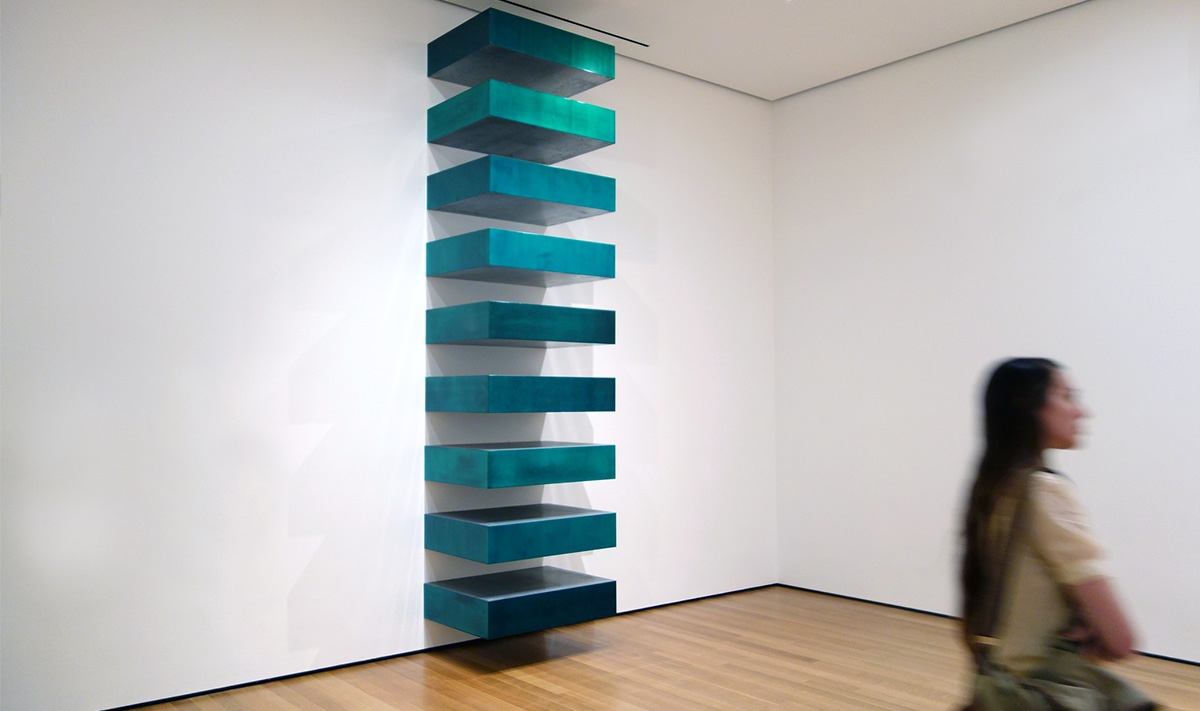
Who Are Famous Minimalists?
Minimalism is not a single movement with a centralized leadership, but rather a broad philosophy that has been expressed in different forms across literature, design, art, entrepreneurship, and lifestyle culture. Because of this, “famous minimalists” do not form a uniform group. Instead, they represent individuals who have publicly embraced simplicity, intentional living, or reduction of excess in their work or personal philosophy.
Some are philosophers, some are designers, some are writers, and others are modern lifestyle influencers. What connects them is not identical practice, but a shared emphasis on reducing excess and focusing on what is essential.
To understand famous minimalists, it is useful to categorize them into several domains: philosophical influences, modern lifestyle advocates, design and architecture figures, writers, and cultural figures who embody minimalist principles.
1. Historical and Philosophical Influences
Before modern minimalism became a lifestyle movement, several thinkers and philosophers expressed ideas that strongly align with minimalist principles.
Henry David Thoreau (1817–1862)
One of the most frequently cited influences on modern minimalism is Henry David Thoreau.
Thoreau is best known for his book Walden, where he describes living simply in a small cabin near Walden Pond. His experiment in simple living was not about deprivation, but about removing unnecessary distractions to focus on reflection, nature, and self-understanding.
Key minimalist ideas from Thoreau include:
-
Reducing material needs to essential survival and comfort
-
Critiquing consumer culture and unnecessary labor
-
Valuing time, nature, and contemplation over accumulation
His philosophy strongly influenced modern ideas of intentional living and voluntary simplicity.
Leo Tolstoy (1828–1910)
Leo Tolstoy, the Russian novelist, later adopted a form of spiritual minimalism in his personal life.
After achieving literary success, Tolstoy became critical of wealth and material excess. He simplified his lifestyle significantly, focusing on moral and spiritual development.
His minimalist tendencies included:
-
Rejecting luxury and excess wealth
-
Emphasizing moral simplicity
-
Advocating for humility and self-restraint
Tolstoy’s later life reflects a philosophical form of minimalism rooted in ethics rather than aesthetics.
Epicurus (341–270 BCE)
Although not a modern minimalist, Epicurus is often associated with minimalist philosophy.
Epicurus taught that happiness comes from simple pleasures, friendship, and intellectual reflection, rather than wealth or luxury.
Key ideas aligned with minimalism:
-
Pleasure is best achieved through simplicity
-
Excess desires create unnecessary suffering
-
Mental tranquility is more valuable than material accumulation
Epicurean philosophy strongly overlaps with modern minimalism’s focus on reducing unnecessary consumption.
2. Modern Minimalist Lifestyle Advocates
In recent decades, minimalism has become a recognizable lifestyle movement, especially in Western culture and digital media.
Joshua Fields Millburn & Ryan Nicodemus
Joshua Fields Millburn and Ryan Nicodemus, known collectively as The Minimalists, are among the most influential modern voices in the movement.
They popularized minimalism through:
-
Books such as Everything That Remains
-
A widely viewed documentary titled Minimalism: A Documentary About the Important Things
-
Podcasts and public speaking
Their philosophy focuses on:
-
Removing possessions that do not add value
-
Prioritizing relationships, health, and personal growth
-
Rejecting consumer-driven identity
Unlike aesthetic minimalism, their approach is strongly behavioral and psychological.
Marie Kondo
Marie Kondo is a Japanese organizing consultant whose method, often called the “KonMari Method,” has had global influence.
While not strictly a minimalist in philosophical terms, her approach strongly overlaps with minimalism.
Key principles:
-
Keep only items that “spark joy”
-
Declutter by category, not location
-
Treat possessions with respect and intentionality
Her work focuses on emotional attachment to objects and encourages people to retain only meaningful possessions.
Fumio Sasaki
Fumio Sasaki is a Japanese author known for extreme personal minimalism.
In his writing, he describes drastically reducing his possessions and simplifying his life.
His philosophy includes:
-
Rejecting attachment to material goods
-
Reducing possessions to essential items only
-
Focusing on experiences rather than ownership
His work illustrates a more radical interpretation of minimalism as a lifestyle experiment.
3. Design and Architecture Minimalists
Minimalism is also a major influence in architecture and design, where it emphasizes simplicity, functionality, and clarity.
Ludwig Mies van der Rohe
Ludwig Mies van der Rohe was a pioneering modernist architect.
He is associated with the phrase:
“Less is more.”
His architectural philosophy emphasized:
-
Clean lines
-
Open space
-
Functional simplicity
-
Structural clarity
His work laid the foundation for modern minimalist architecture.
Dieter Rams
Dieter Rams is a German industrial designer known for his work with Braun.
He is famous for his “Ten Principles of Good Design,” which strongly influence minimalist product design.
Key ideas include:
-
Good design is unobtrusive
-
Design should be as simple as possible
-
Avoid unnecessary complexity
-
Prioritize functionality
His philosophy directly influenced modern minimalist product design, including technology interfaces.
4. Tech and Business Figures Associated with Minimalism
While not minimalists in the strict philosophical sense, some modern entrepreneurs and designers are associated with minimalist thinking.
Steve Jobs
Steve Jobs is often associated with minimalist design philosophy in technology.
His influence at Apple emphasized:
-
Clean, simple product design
-
Reduction of unnecessary features
-
Focus on user experience over complexity
Products like the iPhone and MacBook reflect minimalist industrial design principles.
However, it is important to distinguish:
-
Product design minimalism (simplicity of interface and aesthetics)
-
Lifestyle minimalism (personal consumption and living habits)
Jobs primarily influenced the former.
5. Digital Minimalism and Modern Thought Leaders
In recent years, minimalism has expanded into digital life, particularly in response to technology overload.
Cal Newport
Cal Newport is a professor and author who popularized the concept of digital minimalism.
His work focuses on:
-
Reducing unnecessary digital distractions
-
Intentional use of technology
-
Deep work and sustained concentration
Key ideas include:
-
Technology should serve values, not control attention
-
Social media and digital tools should be used selectively
-
Focus is a scarce and valuable resource
His work connects minimalism directly to productivity and cognitive performance.
6. Artists and Cultural Minimalism
Minimalism also exists in art, music, and literature, where it refers to reducing complexity to essential elements.
Agnes Martin
Agnes Martin was a painter associated with minimalist art.
Her work featured:
-
Subtle grids
-
Simple compositions
-
Emphasis on emotional subtlety
Her philosophy emphasized emotional calm and simplicity in visual expression.
7. Common Traits Among Famous Minimalists
Despite differences in background, famous minimalists often share several key principles:
1. Reduction of excess
They all emphasize removing unnecessary elements from life or work.
2. Focus on intentionality
Decisions are made consciously rather than habitually or socially influenced.
3. Value-based living
They prioritize meaning, function, or purpose over accumulation.
4. Resistance to consumer culture
Many criticize excessive consumption and materialism.
5. Emphasis on clarity
Whether in design, thought, or lifestyle, clarity is a central goal.
8. Important Distinction: Lifestyle vs Aesthetic Minimalism
A key insight when examining famous minimalists is the distinction between:
-
Lifestyle minimalism: reducing possessions and commitments in daily life
-
Aesthetic minimalism: simplicity in visual design and appearance
Many famous figures are associated with one but not necessarily the other.
For example:
-
Designers like Dieter Rams focus on visual simplicity
-
Authors like The Minimalists focus on behavioral simplicity
Both contribute to the broader concept but are not identical.
Conclusion
Famous minimalists come from many different fields—philosophy, literature, design, entrepreneurship, and modern digital culture. They are not unified by a single doctrine, but by a shared emphasis on simplicity, intentionality, and reduction of excess.
From Henry David Thoreau’s simple living experiment, to Marie Kondo’s decluttering philosophy, to Cal Newport’s digital minimalism, each figure contributes a different interpretation of the same core idea:
Life becomes clearer and more meaningful when unnecessary complexity is removed.
Minimalism, as reflected through these individuals, is less a fixed identity and more a recurring principle across disciplines: focus on what matters by removing what does not.
- Arts
- Business
- Computers
- Spellen
- Health
- Home
- Kids and Teens
- Money
- News
- Personal Development
- Recreation
- Regional
- Reference
- Science
- Shopping
- Society
- Sports
- Бизнес
- Деньги
- Дом
- Досуг
- Здоровье
- Игры
- Искусство
- Источники информации
- Компьютеры
- Личное развитие
- Наука
- Новости и СМИ
- Общество
- Покупки
- Спорт
- Страны и регионы
- World

 English
 Russian
 French
 Spanish
 Portuguese
 Deutsch
 Turkish
 Italiano
 Arabic
 Romaian
 Portuguese (Brazil)
 Greek
Greek