
How Is Digital Transformation Affecting Facility Management?
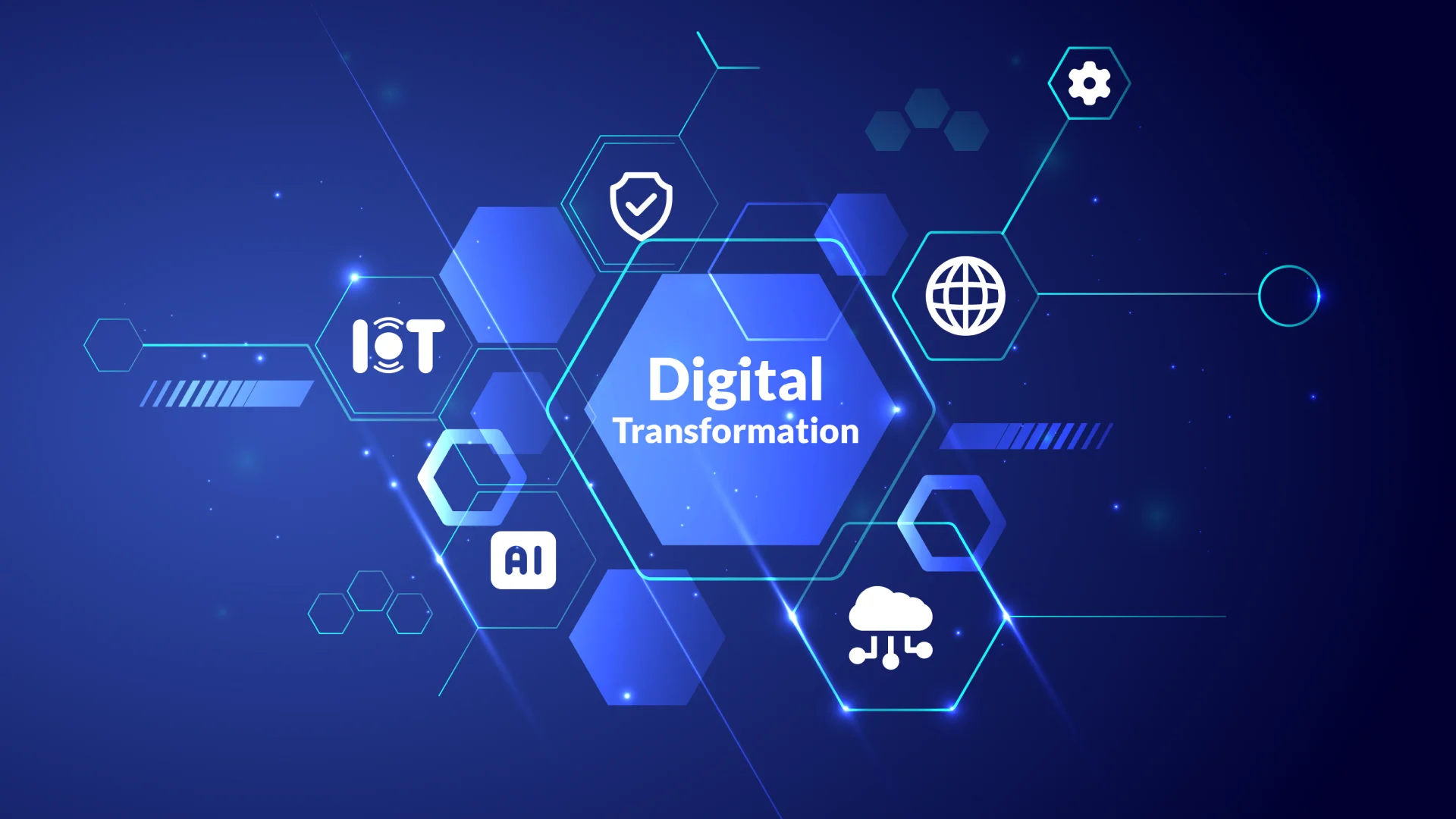
Digital transformation is fundamentally reshaping facility management by introducing advanced technologies, automation, and data-driven decision-making into building operations. It involves the integration of digital tools and systems to improve efficiency, reduce costs, enhance user experience, and optimize facility performance.
In today’s rapidly evolving environment, facility management is no longer limited to maintenance and operations—it has become a technology-driven, strategic function.
Understanding Digital Transformation in Facility Management
Digital transformation refers to the adoption of digital technologies to improve processes, services, and outcomes.
In facility management, it includes:
- Automation of building systems
- Use of data analytics
- Integration of smart technologies
- Digital monitoring and control
This transformation allows facilities to operate more intelligently and efficiently.
Key Technologies Driving Digital Transformation
Several technologies are at the core of digital transformation in facility management.
1. Internet of Things (IoT)
IoT connects devices and systems within buildings.
It enables:
- Real-time monitoring of equipment
- Tracking environmental conditions
- Automated system adjustments
IoT sensors collect valuable data that improves decision-making.
2. Building Management Systems (BMS)
BMS platforms centralize control of building operations.
They manage:
- HVAC systems
- Lighting
- Security systems
This improves coordination and operational efficiency.
3. CMMS and CAFM Systems
Digital platforms such as:
- CMMS (Computerized Maintenance Management Systems)
- CAFM (Computer-Aided Facility Management systems)
help facility managers:
- Track maintenance activities
- Manage assets
- Automate workflows
These tools streamline operations and improve accuracy.
4. Artificial Intelligence (AI) and Data Analytics
AI and analytics process large volumes of data to generate insights.
They enable:
- Predictive maintenance
- Performance optimization
- Energy efficiency improvements
AI helps shift facility management from reactive to proactive.
5. Cloud Computing
Cloud-based systems allow remote access to facility data.
Benefits include:
- Real-time updates
- Improved collaboration
- Scalable solutions
Cloud platforms make facility management more flexible.
Impact on Facility Operations
Digital transformation improves daily operations in several ways:
- Automates repetitive tasks
- Reduces manual errors
- Enhances coordination between systems
- Provides real-time insights
Operations become faster, more accurate, and more efficient.
Predictive Maintenance and Asset Management
One of the biggest impacts is in maintenance.
Digital tools enable:
- Monitoring equipment health
- Predicting failures before they occur
- Scheduling maintenance proactively
This reduces downtime and extends asset lifespan.
Energy Efficiency and Sustainability
Digital technologies help optimize energy use.
They allow:
- Real-time energy monitoring
- Automated system adjustments
- Identification of energy waste
This reduces costs and supports sustainability goals.
Improved Space Utilization
Digital tools provide insights into how spaces are used.
Facility managers can:
- Track occupancy levels
- Optimize workspace layouts
- Support hybrid work environments
Efficient space usage reduces costs and improves productivity.
Enhanced Workplace Experience
Digital transformation improves user experience in facilities.
Examples include:
- Smart temperature and lighting control
- Improved indoor air quality monitoring
- Faster response to service requests
These improvements increase occupant satisfaction.
Data-Driven Decision Making
Data is at the core of digital transformation.
Facility managers use data to:
- Identify inefficiencies
- Improve planning
- Optimize resources
Data-driven decisions lead to better outcomes.
Remote Monitoring and Management
Digital tools allow facility managers to monitor buildings remotely.
This includes:
- Viewing system performance
- Receiving alerts
- Controlling operations from anywhere
Remote capabilities increase flexibility and efficiency.
Challenges of Digital Transformation
Despite its benefits, digital transformation presents challenges:
- High initial investment
- Integration with legacy systems
- Data security concerns
- Need for skilled personnel
Organizations must plan carefully to overcome these obstacles.
Cybersecurity in Digital Facilities
As facilities become more connected, cybersecurity becomes critical.
Facility managers must ensure:
- Secure networks
- Data protection
- Regular system updates
Cyber threats can disrupt operations if not properly managed.
Role of Facility Managers in Digital Transformation
Facility managers play a key role in adopting digital technologies.
They are responsible for:
- Selecting appropriate tools
- Managing implementation
- Training staff
- Monitoring performance
Their leadership ensures successful transformation.
Strategic Benefits of Digital Transformation
Digital transformation offers strategic advantages:
- Improved operational efficiency
- Reduced costs
- Enhanced sustainability
- Better decision-making
It transforms facility management into a value-adding function.
Future Trends in Digital Facility Management
The future will bring even more advanced technologies.
Key trends include:
- Smart buildings powered by AI
- Digital twins for simulation and planning
- Advanced automation systems
- Real-time predictive analytics
These innovations will further enhance facility performance.
Importance of Continuous Adaptation
Digital transformation is an ongoing process.
Facility managers must:
- Stay updated on new technologies
- Continuously improve systems
- Adapt to changing needs
Flexibility is essential for long-term success.
Conclusion
Digital transformation is revolutionizing facility management by introducing advanced technologies, automation, and data-driven strategies. It enhances efficiency, reduces costs, improves sustainability, and creates better workplace experiences.
While challenges exist, the benefits of digital transformation far outweigh the risks. Organizations that embrace digital tools will be better equipped to manage modern facilities and stay competitive in an increasingly technology-driven world.
- Arts
- Business
- Computers
- Παιχνίδια
- Health
- Κεντρική Σελίδα
- Kids and Teens
- Money
- News
- Personal Development
- Recreation
- Regional
- Reference
- Science
- Shopping
- Society
- Sports
- Бизнес
- Деньги
- Дом
- Досуг
- Здоровье
- Игры
- Искусство
- Источники информации
- Компьютеры
- Личное развитие
- Наука
- Новости и СМИ
- Общество
- Покупки
- Спорт
- Страны и регионы
- World

 English
 Russian
 French
 Spanish
 Portuguese
 Deutsch
 Turkish
 Dutch
Dutch
 Italiano
 Arabic
 Romaian
 Portuguese (Brazil)
