
How to Reduce Workplace Stress?
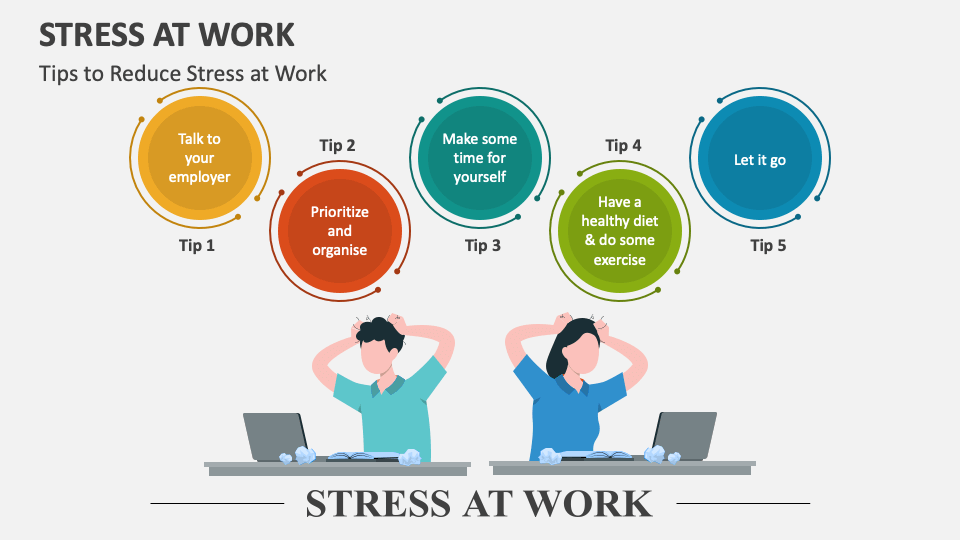
Workplace stress is a common challenge faced by employees across all industries, especially in administrative roles where multitasking, deadlines, and constant communication are part of daily responsibilities. While a certain level of stress can motivate productivity, excessive or unmanaged stress can negatively impact performance, health, and overall job satisfaction.
Reducing workplace stress is essential not only for individual well-being but also for maintaining a productive and positive work environment. With the right strategies, employees can manage stress effectively and improve both their professional and personal lives.
Understanding Workplace Stress
Workplace stress occurs when job demands exceed an individual’s ability to cope.
Common causes include:
- Heavy workload
- Tight deadlines
- Poor communication
- Lack of control over tasks
- Difficult coworkers or clients
Recognizing the sources of stress is the first step toward managing it.
Why Reducing Stress Is Important
Unmanaged stress can lead to:
- Decreased productivity
- Burnout
- Health problems
- Poor job performance
- Reduced job satisfaction
Managing stress improves both mental and physical well-being.
Identify Stress Triggers
Understanding what causes stress helps you address it.
You should:
- Observe stressful situations
- Identify patterns
- Recognize emotional responses
Awareness allows you to take control.
Improve Time Management
Poor time management is a major cause of stress.
To improve:
- Plan your day
- Set priorities
- Avoid procrastination
Using tools like Microsoft Outlook can help organize schedules and reduce pressure.
Prioritize Tasks Effectively
Trying to do everything at once can increase stress.
You should:
- Focus on important tasks
- Break work into smaller steps
- Set realistic deadlines
Prioritization reduces overwhelm.
Take Regular Breaks
Working continuously can increase stress levels.
Short breaks help:
- Refresh your mind
- Improve focus
- Reduce fatigue
Breaks are essential for maintaining productivity.
Maintain a Healthy Work-Life Balance
Balancing work and personal life is crucial.
You should:
- Set boundaries
- Avoid overworking
- Make time for personal activities
A balanced lifestyle reduces stress.
Stay Organized
Disorganization can lead to confusion and stress.
To stay organized:
- Keep your workspace tidy
- Use task lists
- Manage files effectively
Organization improves efficiency.
Practice Deep Breathing and Relaxation Techniques
Simple relaxation techniques can reduce stress.
Examples include:
- Deep breathing
- Meditation
- Stretching
These methods help calm the mind.
Improve Communication
Poor communication can create misunderstandings.
You should:
- Ask questions
- Clarify expectations
- Share updates
Clear communication reduces stress.
Set Realistic Expectations
Unrealistic expectations can lead to frustration.
You should:
- Be realistic about what you can achieve
- Avoid overcommitting
This helps maintain control over your workload.
Learn to Say No
Taking on too many tasks can increase stress.
You should:
- Set boundaries
- Decline unnecessary tasks
Saying no helps protect your time and energy.
Build Positive Relationships
Supportive relationships reduce stress.
You can:
- Communicate openly
- Offer support to colleagues
- Maintain a positive attitude
Good relationships create a better work environment.
Use Technology to Simplify Work
Technology can reduce workload and stress.
Tools like:
- Microsoft Excel
- Microsoft Teams
help organize tasks and improve communication.
Stay Physically Active
Physical activity helps reduce stress.
You should:
- Take short walks
- Stretch regularly
- Maintain an active lifestyle
Exercise improves mental well-being.
Maintain Healthy Habits
Healthy habits support stress management.
You should:
- Eat balanced meals
- Stay hydrated
- Get enough sleep
Good health improves resilience.
Focus on What You Can Control
Some situations are beyond your control.
Instead of worrying:
- Focus on your actions
- Manage your response
This reduces unnecessary stress.
Break Tasks into Smaller Steps
Large tasks can feel overwhelming.
To manage them:
- Divide tasks into smaller parts
- Complete one step at a time
This makes work more manageable.
Avoid Multitasking
Multitasking can increase stress and reduce efficiency.
Instead:
- Focus on one task at a time
- Complete tasks before moving on
Single-tasking improves focus.
Manage Interruptions
Frequent interruptions can disrupt workflow.
To manage them:
- Set boundaries
- Schedule focused work time
Reducing interruptions improves productivity.
Develop Problem-Solving Skills
Stress often comes from unresolved issues.
You should:
- Identify problems
- Find solutions
- Take action
Problem-solving reduces stress.
Seek Support When Needed
If stress becomes overwhelming:
- Talk to a manager
- Seek support from colleagues
Support systems help manage stress.
Maintain a Positive Mindset
A positive attitude helps handle challenges.
You should:
- Focus on solutions
- Avoid negative thinking
Mindset affects stress levels.
Take Time Off When Necessary
Rest is important for recovery.
You should:
- Use vacation days
- Take breaks from work
Time off helps prevent burnout.
Practice Mindfulness
Mindfulness helps you stay present.
It involves:
- Focusing on the moment
- Reducing overthinking
Mindfulness improves mental clarity.
Create a Comfortable Work Environment
Your environment affects stress levels.
Ensure:
- Proper lighting
- Comfortable seating
- Minimal noise
A good environment improves well-being.
Track and Reflect on Stress Levels
Monitoring stress helps manage it.
You can:
- Keep a journal
- Reflect on stressful situations
Awareness leads to improvement.
Avoid Perfectionism
Trying to be perfect can increase stress.
Instead:
- Focus on doing your best
- Accept mistakes
Perfection is not always necessary.
Build Resilience
Resilience helps you handle stress effectively.
You can:
- Develop coping strategies
- Learn from challenges
Resilience improves long-term well-being.
Common Mistakes to Avoid
Avoid these stress-related mistakes:
- Ignoring stress signs
- Overworking
- Poor time management
- Lack of communication
Avoiding these improves mental health.
Benefits of Reducing Workplace Stress
Managing stress leads to:
- Improved productivity
- Better health
- Higher job satisfaction
- Stronger relationships
It benefits both individuals and organizations.
Long-Term Impact of Stress Management
Over time, effective stress management:
- Improves quality of life
- Enhances career growth
- Builds emotional strength
It is essential for long-term success.
Conclusion
Reducing workplace stress is essential for maintaining productivity, health, and overall well-being. By improving time management, staying organized, maintaining healthy habits, and using effective coping strategies, employees can manage stress and create a more positive work experience.
Stress is a natural part of work, but with the right approach, it can be controlled and minimized. Developing strong stress management skills leads to a healthier, more productive, and more successful professional life.
- Arts
- Business
- Computers
- الألعاب
- Health
- الرئيسية
- Kids and Teens
- مال
- News
- Personal Development
- Recreation
- Regional
- Reference
- Science
- Shopping
- Society
- Sports
- Бизнес
- Деньги
- Дом
- Досуг
- Здоровье
- Игры
- Искусство
- Источники информации
- Компьютеры
- Личное развитие
- Наука
- Новости и СМИ
- Общество
- Покупки
- Спорт
- Страны и регионы
- World

 English
 Russian
 French
 Spanish
 Portuguese
 Deutsch
 Turkish
 Dutch
Dutch
 Italiano
 Romaian
 Portuguese (Brazil)
 Greek
Greek