
How Does Dropshipping Work?
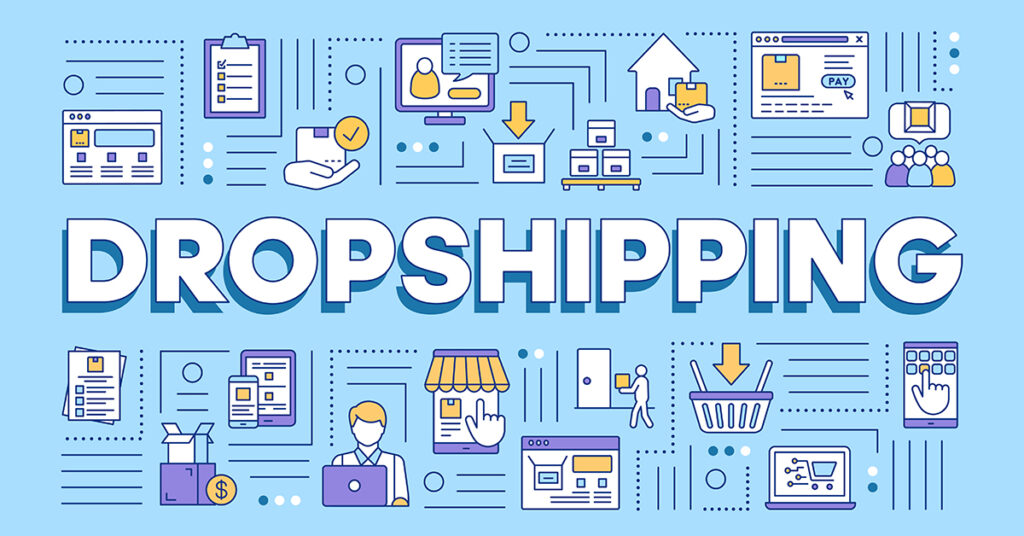
At 1:18 a.m., someone watches a YouTube video titled:
“How I Made $47,892 in One Month Dropshipping LED Dog Collars.”
The thumbnail contains a rented Lamborghini, a shocked facial expression, and enough red arrows to suggest either ecommerce success or an incoming aviation disaster.
By morning, thousands of people are googling “best dropshipping suppliers” while quietly imagining financial independence achieved entirely through selling portable blenders to strangers online.
This is the mythology surrounding dropshipping.
And like most internet mythology, it contains fragments of truth wrapped in industrial quantities of exaggeration.
Because dropshipping can work.
Very well, occasionally.
But not for the reasons most viral entrepreneurship content suggests.
The real mechanics of dropshipping are less glamorous and significantly more psychological. Less about passive income fantasies. More about customer trust, marketing efficiency, supplier reliability, and managing consumer expectations in a world where shipping delays can trigger emotional reactions usually associated with betrayal.
At its core, dropshipping is not magic.
It is a fulfillment model.
A deceptively simple one.
What Is Dropshipping?
Dropshipping is an ecommerce business model where a store sells products without keeping inventory physically in stock.
Instead, when a customer places an order, the store purchases the product from a third-party supplier, who then ships the item directly to the customer.
The seller never handles the product personally.
No warehouse.
No garage full of cardboard boxes.
No late-night tape-gun injuries while packing scented candle orders beside existential dread and cold coffee.
The process looks roughly like this:
| Step | What Happens |
|---|---|
| Customer places order | Consumer buys from online store |
| Store receives payment | Seller keeps retail markup |
| Seller forwards order to supplier | Supplier prepares shipment |
| Supplier ships product | Item goes directly to customer |
| Customer receives package | Store manages communication and support |
Simple operationally.
Complicated psychologically.
Because although the supplier ships the product, the customer experiences your store as the brand responsible for everything.
That distinction becomes important very quickly.
Why Dropshipping Became So Popular
Three reasons mainly.
Low Startup Costs
Traditional retail requires inventory upfront.
Dropshipping largely removes that requirement.
A founder can launch an online store with relatively little capital compared to traditional ecommerce operations.
That accessibility made entrepreneurship feel possible for millions of people previously locked out by financial barriers.
Low Operational Complexity
At least initially.
No inventory management.
No warehouse leases.
No packaging operations.
Suppliers handle fulfillment logistics.
This dramatically lowers operational friction during early stages.
Social Media Fueled the Fantasy
Platforms like TikTok and YouTube transformed dropshipping into internet folklore.
Young entrepreneurs filming dashboards, revenue screenshots, luxury rentals, and dramatic “day in the life” content convinced audiences dropshipping represented a shortcut to wealth.
Usually omitting discussions about refunds, chargebacks, supplier disasters, advertising losses, or customers sending furious emails because their “5-day shipping” order apparently traveled internationally by emotional support turtle.
How Dropshipping Actually Works Behind the Scenes
The core structure relies on three parties:
| Participant | Role |
|---|---|
| Customer | Purchases the product |
| Store Owner | Markets products and handles customer experience |
| Supplier | Manufactures, stores, and ships products |
The store owner acts primarily as a marketing and customer acquisition business.
This surprises many beginners.
They assume dropshipping revolves around products.
It usually revolves around attention.
The same suppliers often serve hundreds of nearly identical stores simultaneously. Which means competitive advantage rarely comes from product exclusivity.
It comes from branding, positioning, advertising, trust, and customer experience.
The Typical Dropshipping Workflow
Step One: Build an Online Store
Most dropshipping businesses create ecommerce websites using platforms like Shopify.
The store displays products sourced from suppliers.
Descriptions.
Photos.
Pricing.
Reviews.
Consumers browse the site exactly as they would any normal ecommerce business.
Ideally without realizing the business itself never touches inventory.
Step Two: Import Products From Suppliers
Suppliers usually come from marketplaces or fulfillment networks.
Popular supplier ecosystems include:
- AliExpress
- Zendrop
- CJ Dropshipping
- Spocket
The seller imports products into their storefront and sets retail pricing above supplier costs.
For example:
| Product Cost From Supplier | Retail Price | Gross Margin |
|---|---|---|
| $12 | $34.99 | $22.99 |
| $8 | $24.99 | $16.99 |
| $25 | $59.99 | $34.99 |
Looks profitable.
Then reality arrives carrying advertising expenses.
Marketing Is the Real Business
This is the part many people misunderstand.
Dropshipping is not fundamentally a logistics business.
It is a marketing business wearing ecommerce clothing.
Most successful dropshipping stores rely heavily on:
- Social media advertising
- Influencer marketing
- TikTok videos
- Facebook ads
- Content marketing
- Email campaigns
The challenge is attracting consumers profitably before advertising costs consume margins entirely.
Viral Products Drive Attention
Dropshipping often works best when products trigger emotional reactions quickly.
Curiosity.
Convenience.
Novelty.
Problem-solving.
Products that visually demonstrate value perform especially well online.
Which explains why oddly satisfying kitchen gadgets periodically dominate social feeds for approximately six weeks before vanishing into ecommerce history forever.
Why Consumers Buy From Dropshipping Stores
Consumers rarely purchase because they deeply analyze supply chain structures.
They buy because marketing creates emotional motivation.
Usually involving:
- Convenience
- Curiosity
- Aspiration
- Identity
- Novelty
- Problem-solving
A posture corrector is not merely posture equipment psychologically.
It may represent self-improvement.
Confidence.
Control.
The strongest dropshipping stores understand this emotional framing deeply.
The Biggest Advantages of Dropshipping
| Advantage | Why It Appeals to Entrepreneurs |
|---|---|
| Low Startup Cost | Minimal upfront inventory investment |
| Easy Product Testing | Quickly test market demand |
| Flexible Location | Can operate remotely |
| Large Product Variety | Access to many categories |
| Lower Operational Burden | Suppliers manage fulfillment |
| Scalability Potential | Easy to add products rapidly |
For beginners, this accessibility feels incredibly attractive.
And honestly, reasonably so.
Starting traditional retail remains financially difficult.
Dropshipping lowered barriers dramatically.
But Dropshipping Also Has Serious Problems
This is where internet entrepreneurship videos become selectively quiet.
Low Profit Margins
Competition is intense.
Many stores sell identical products simultaneously.
Advertising costs increase constantly.
Margins shrink quickly.
Supplier Dependence
Your reputation depends heavily on suppliers you do not control directly.
If they:
- Ship late
- Send defective products
- Lose packages
- Mismanage inventory
customers blame you.
Not the supplier hidden behind the operational curtain.
Long Shipping Times
Especially with overseas suppliers.
Consumers conditioned by Amazon expect speed now.
Waiting three weeks for phone accessories feels emotionally unacceptable to many customers.
Brand Trust Issues
Consumers increasingly recognize generic dropshipping stores.
Weak branding.
Copied product descriptions.
Poor customer support.
Suspicious discount countdown timers permanently stuck near expiration.
Trust evaporates quickly.
My Lesson About Dropshipping Reality
Several years ago, I consulted for a founder running a moderately successful dropshipping store selling home organization products.
Revenue looked impressive initially.
Then we examined profitability.
Advertising consumed enormous percentages of revenue. Refund requests climbed steadily because supplier shipping delays damaged customer trust. Product quality inconsistencies created negative reviews faster than paid ads could compensate.
The business survived eventually.
But only after shifting focus away from “viral product hunting” toward building actual brand credibility.
Better customer support.
Clearer communication.
Improved product selection.
More thoughtful branding.
That experience clarified something important:
Sustainable dropshipping resembles real business-building far more than passive income fantasy.
The operational shortcuts exist.
The trust-building work does not disappear.
Branding Matters More Than Ever in Dropshipping
Because products are rarely unique, branding becomes essential.
Consumers buy from stores they trust emotionally.
Strong branding creates:
- Familiarity
- Credibility
- Perceived legitimacy
- Emotional connection
Weak branding creates suspicion instantly.
Especially now.
Consumers recognize generic ecommerce patterns quickly after years of exposure.
Customer Experience Determines Survival
Many dropshipping stores fail because they optimize aggressively for acquisition while neglecting retention.
Bad support destroys trust.
Confusing shipping communication increases anxiety.
Slow responses create chargebacks.
Every interaction shapes whether customers ever purchase again.
Transparency Builds Trust
Consumers tolerate delays more reasonably when communication feels honest.
They become furious when businesses appear evasive.
The strongest dropshipping brands understand this distinction clearly.
The Future of Dropshipping
Dropshipping itself is not disappearing.
But the low-effort version increasingly struggles.
Consumers became more sophisticated.
Advertising became more expensive.
Competition intensified dramatically.
Meanwhile platforms like TikTok accelerated trend cycles aggressively. Products rise and collapse faster than ever.
This means successful dropshipping increasingly requires:
- Strong branding
- Better customer experience
- Faster fulfillment
- Original content
- Authentic marketing
- Niche audience understanding
The era of launching generic stores with copied advertisements and expecting effortless wealth appears significantly less reliable now.
Final Thought: Dropshipping Is Not a Shortcut — It’s a Business Model
The internet often presents dropshipping as a loophole.
A cheat code.
A way to escape ordinary business constraints through clever fulfillment systems and aggressive advertising.
Reality is less cinematic.
Dropshipping simply removes inventory ownership from the equation.
It does not remove competition.
Consumer psychology.
Trust-building.
Marketing challenges.
Customer service responsibilities.
Or operational stress.
The businesses succeeding with dropshipping today understand something many beginners miss:
Consumers do not care whether you hold inventory personally.
They care whether the experience feels trustworthy, smooth, and emotionally reliable.
Because ultimately, dropshipping is not really about products shipping from suppliers.
It is about whether consumers believe your business deserves their money before they click “Buy Now.”
And that part still has to be earned.
- Arts
- Business
- Computers
- Games
- Health
- Home
- Kids and Teens
- Money
- News
- Personal Development
- Recreation
- Regional
- Reference
- Science
- Shopping
- Society
- Sports
- Бизнес
- Деньги
- Дом
- Досуг
- Здоровье
- Игры
- Искусство
- Источники информации
- Компьютеры
- Личное развитие
- Наука
- Новости и СМИ
- Общество
- Покупки
- Спорт
- Страны и регионы
- World

 Russian
 French
 Spanish
 Portuguese
 Deutsch
 Turkish
 Dutch
Dutch
 Italiano
 Arabic
 Romaian
 Portuguese (Brazil)
 Greek
Greek