
Can a License Be Revoked?
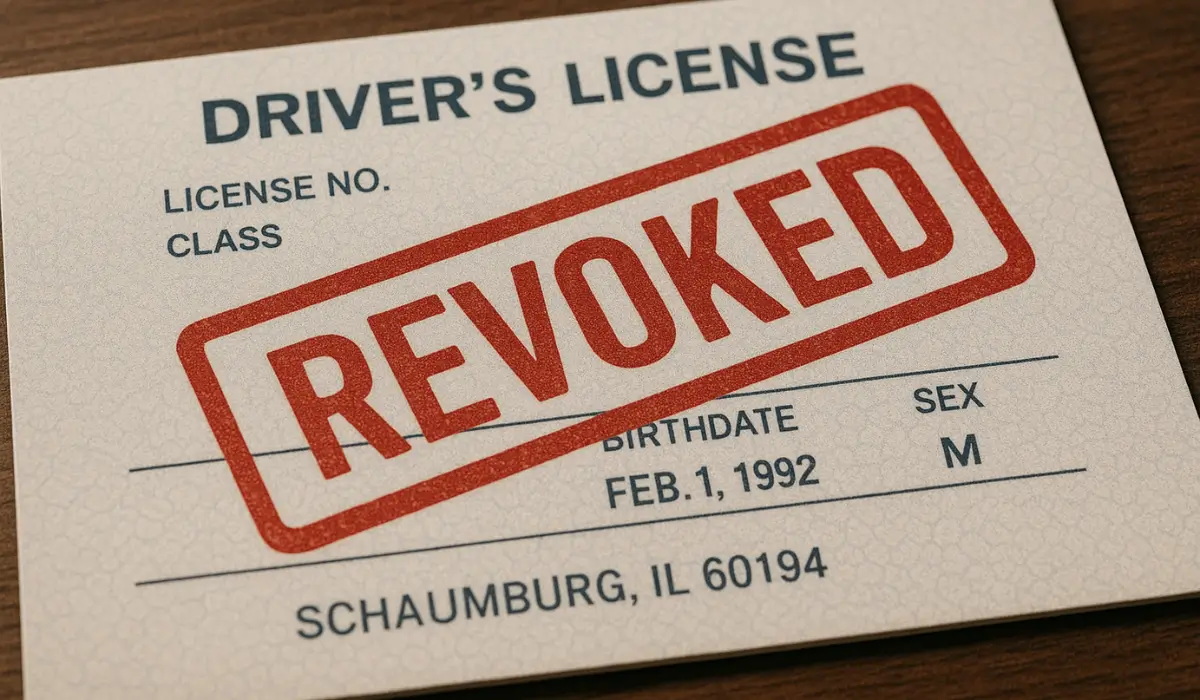
Most people think about licenses as permissions.
Permission to use software.
Permission to sell products under a brand.
Permission to distribute creative work.
Permission to commercialize technology.
The focus is almost always on what the license allows.
Far less attention is given to a more uncomfortable question.
What happens when that permission disappears?
Because licenses are not ownership.
They are rights granted under conditions.
And rights granted under conditions can, under certain circumstances, be withdrawn.
This reality surprises many businesses.
A company may spend years building operations around a licensed asset.
A software platform becomes central to daily operations.
A trademark becomes attached to customer trust.
A patent becomes embedded within manufacturing processes.
Everything appears stable.
Permanent, even.
Then circumstances change.
A contract expires.
A payment is missed.
A compliance issue emerges.
A dispute develops.
Suddenly, the possibility of revocation enters the conversation.
The consequences can be significant.
Sometimes devastating.
Which is why understanding license revocation is not merely a legal exercise.
It is a business necessity.
The Short Answer: Yes, Many Licenses Can Be Revoked
The simple answer is yes.
Many licenses can be revoked.
The more useful answer is that it depends on the type of license, the governing agreement, and the surrounding circumstances.
Not all licenses operate the same way.
A software subscription differs from a patent license.
A trademark license differs from a professional license.
A copyright license differs from a government-issued permit.
Each category carries its own rules.
Yet one principle remains consistent.
A license exists because someone granted permission.
If conditions supporting that permission disappear, revocation often becomes possible.
The critical question is not whether revocation can happen.
The critical question is under what circumstances it can happen.
Licenses Are Built on Conditions
Many licensing disputes arise because parties misunderstand the nature of the relationship.
A license is rarely unconditional.
Instead, it is typically contingent upon compliance.
Common requirements include:
- Royalty payments
- Usage restrictions
- Quality standards
- Reporting obligations
- Territorial limitations
- Performance requirements
The agreement establishes expectations.
Continued access often depends on meeting them.
When those expectations are violated, revocation becomes a possibility.
Not always immediately.
But often eventually.
Revocation and Termination Are Closely Related
In commercial licensing, revocation frequently occurs through termination.
The distinction is subtle but important.
Revocation describes the removal of rights.
Termination describes the contractual mechanism that removes them.
Most licensing agreements contain termination provisions.
These provisions outline:
- When termination is allowed
- Required notice periods
- Cure opportunities
- Post-termination obligations
The agreement itself often explains how revocation can occur.
Many disputes begin because parties fail to understand those provisions before signing.
Breach of Contract Is One of the Most Common Causes
The most common path toward revocation is contractual breach.
Examples include:
- Failure to pay royalties
- Unauthorized use
- Exceeding licensed rights
- Violating confidentiality obligations
- Misuse of intellectual property
When breaches occur, licensors often gain the right to terminate the agreement.
That termination may effectively revoke the license.
The specific outcome depends on contract language.
Yet breach remains one of the most predictable pathways toward revocation.
Nonpayment Frequently Triggers Revocation
Licensing relationships depend on economic exchange.
The licensor provides access.
The licensee provides compensation.
When compensation stops, the relationship often becomes unstable.
This is particularly true when:
- Royalties are unpaid
- Licensing fees remain overdue
- Reporting obligations are ignored
Many agreements contain explicit payment default provisions.
These clauses frequently provide notice and cure periods.
Failure to resolve the issue can result in termination.
And termination often means revocation.
The logic is straightforward.
Permission without compensation may no longer align with the agreement's purpose.
Intellectual Property Misuse Can Accelerate Revocation
Some violations receive more aggressive responses than others.
Misuse of intellectual property often falls into this category.
Consider examples such as:
- Trademark misuse
- Unauthorized sublicensing
- Copyright violations
- Patent misuse
These actions can threaten the value of the licensed asset itself.
From the licensor's perspective, delay creates risk.
Consequently, intellectual property violations often receive swift attention.
The greater the perceived threat to the asset, the stronger the incentive to revoke rights.
Quality Control Requirements Matter More Than Many Realize
Trademark licensing provides an excellent example.
Trademark owners frequently require quality control oversight.
The reason is simple.
A brand derives value from consistency.
If licensed products damage customer trust, brand value suffers.
Consequently, trademark agreements often contain provisions addressing:
- Product quality
- Manufacturing standards
- Marketing practices
- Customer experience
Failure to maintain standards may trigger termination rights.
Brand protection frequently outweighs short-term licensing revenue.
Comparing Common Revocation Triggers
| Trigger | Likelihood of Revocation | Typical Response |
|---|---|---|
| Late Payment | Moderate | Notice and cure period |
| Repeated Nonpayment | High | Termination |
| Unauthorized Usage | High | Immediate enforcement action |
| Trademark Misuse | High | Corrective action or termination |
| Reporting Failures | Moderate | Audit or compliance review |
| Confidentiality Breach | High | Potential immediate termination |
| Expired Agreement | Certain | Rights end automatically |
| Fraud or Misrepresentation | Very High | Immediate revocation risk |
The table illustrates an important point.
Not every violation creates the same level of risk.
Some issues are administrative.
Others strike directly at the foundation of the relationship.
Expiration Is Different From Revocation
A common misconception deserves clarification.
Not every loss of licensing rights constitutes revocation.
Many licenses simply expire.
The distinction matters.
Expiration occurs because the agreed term ends.
Revocation occurs because rights are withdrawn before their anticipated conclusion.
Examples of expiration include:
- One-year software subscriptions
- Limited-term trademark agreements
- Fixed-duration licensing contracts
The result may appear similar.
The cause is different.
Understanding that distinction helps avoid unnecessary confusion.
Government-Issued Licenses Can Also Be Revoked
The concept extends beyond intellectual property.
Professional and business licenses may also face revocation.
Examples include:
- Medical licenses
- Legal licenses
- Financial industry licenses
- Regulatory permits
These licenses often operate under statutory frameworks.
Revocation may result from:
- Misconduct
- Ethical violations
- Regulatory breaches
- Criminal activity
Unlike commercial licenses, these decisions may involve regulatory agencies rather than contractual counterparties.
The underlying principle remains similar.
Permission depends upon compliance.
The Lesson I Learned Watching a Revocation Threat Change Everything
Several years ago, I worked with a company that relied heavily on a licensed technology platform.
The technology itself was not owned.
It was licensed.
For years, the relationship functioned smoothly.
Then a compliance dispute emerged.
The disagreement was relatively narrow.
Certain reporting requirements had not been satisfied.
Initially, leadership viewed the issue as administrative.
Minor.
Manageable.
Then the licensor raised the possibility of termination.
The atmosphere changed immediately.
What had seemed like paperwork suddenly became strategic risk.
Entire business processes depended on continued access to the technology.
The lesson was unforgettable.
Organizations often underestimate licensing risk because the relationship feels permanent.
It is not permanent.
It is contractual.
And contracts contain conditions.
The moment those conditions become uncertain, operational assumptions can unravel surprisingly quickly.
Revocation Does Not Always Mean Immediate Loss
Many agreements include procedural safeguards.
These safeguards often provide:
- Advance notice
- Cure periods
- Dispute resolution processes
- Mediation requirements
The objective is frequently resolution rather than punishment.
Licensors generally prefer stable commercial relationships.
Revocation often becomes the last option rather than the first.
Particularly when the licensee remains willing to correct problems.
Yet safeguards should not be mistaken for guarantees.
Persistent issues can still lead to termination.
What Happens After Revocation?
The consequences vary significantly.
Common outcomes include:
Immediate Cessation of Use
The licensee may lose the right to continue using the asset.
This can affect:
- Products
- Software
- Marketing materials
- Distribution channels
Removal Obligations
Organizations may need to:
- Remove trademarks
- Delete software
- Stop manufacturing
- Cease distribution
Financial Exposure
Revocation does not necessarily eliminate liability.
Past violations may still produce:
- Damages claims
- Audit findings
- Outstanding payment obligations
The end of the license often marks the beginning of a different set of challenges.
Can Revoked Licenses Be Restored?
Sometimes.
Not always.
Much depends on the circumstances.
Restoration becomes more likely when:
- Violations are minor
- Relationships remain constructive
- Compliance issues are corrected quickly
Restoration becomes less likely when:
- Trust has been damaged
- Intellectual property has been harmed
- Litigation has begun
The legal ability to restore rights may exist.
The commercial willingness to do so may not.
Trust plays a significant role.
The Future of License Revocation
Licensing ecosystems continue evolving.
Subscription models.
Cloud services.
Artificial intelligence.
Digital assets.
Each introduces new complexities.
Yet the underlying principle remains remarkably stable.
Permission depends on compliance.
Technology changes delivery methods.
It does not eliminate accountability.
As licensing becomes more integrated into modern business operations, revocation risk becomes increasingly significant.
Not because revocation is becoming more common.
Because dependence on licensed assets is increasing.
The Hidden Purpose of Revocation Rights
Many people view revocation provisions as punitive.
In reality, their purpose is often protective.
They protect:
- Intellectual property
- Brand value
- Commercial relationships
- Market integrity
Without enforcement mechanisms, licensing agreements become difficult to sustain.
Revocation rights create accountability.
Accountability creates confidence.
Confidence enables licensing itself.
The system depends upon this balance.
Conclusion: A License Exists Until the Conditions Supporting It No Longer Do
The question "Can a license be revoked?" sounds legal.
The answer is fundamentally commercial.
Yes, many licenses can be revoked.
But revocation rarely appears without context.
It usually emerges from:
- Breach
- Noncompliance
- Misconduct
- Expiration
- Broken trust
The specific trigger matters.
The underlying principle remains consistent.
Licenses are permissions.
Permissions exist because conditions are satisfied.
When those conditions disappear, the permission may disappear as well.
Organizations often focus intensely on acquiring licenses.
They spend less time considering how those licenses are maintained.
That imbalance creates risk.
Because the value of a license is not determined solely by obtaining it.
Its value is determined by keeping it.
And in many cases, that responsibility lasts far longer than the negotiation that created it.
- Arts
- Business
- Computers
- Juegos
- Health
- Home
- Kids and Teens
- Money
- News
- Personal Development
- Recreation
- Regional
- Reference
- Science
- Shopping
- Society
- Sports
- Бизнес
- Деньги
- Дом
- Досуг
- Здоровье
- Игры
- Искусство
- Источники информации
- Компьютеры
- Личное развитие
- Наука
- Новости и СМИ
- Общество
- Покупки
- Спорт
- Страны и регионы
- World

 English
 Russian
 French
 Portuguese
 Deutsch
 Turkish
 Dutch
Dutch
 Italiano
 Arabic
 Romaian
 Portuguese (Brazil)
 Greek
Greek