
What Are the Best Retail Sales Techniques? The Surprising Truth About How Customers Actually Buy
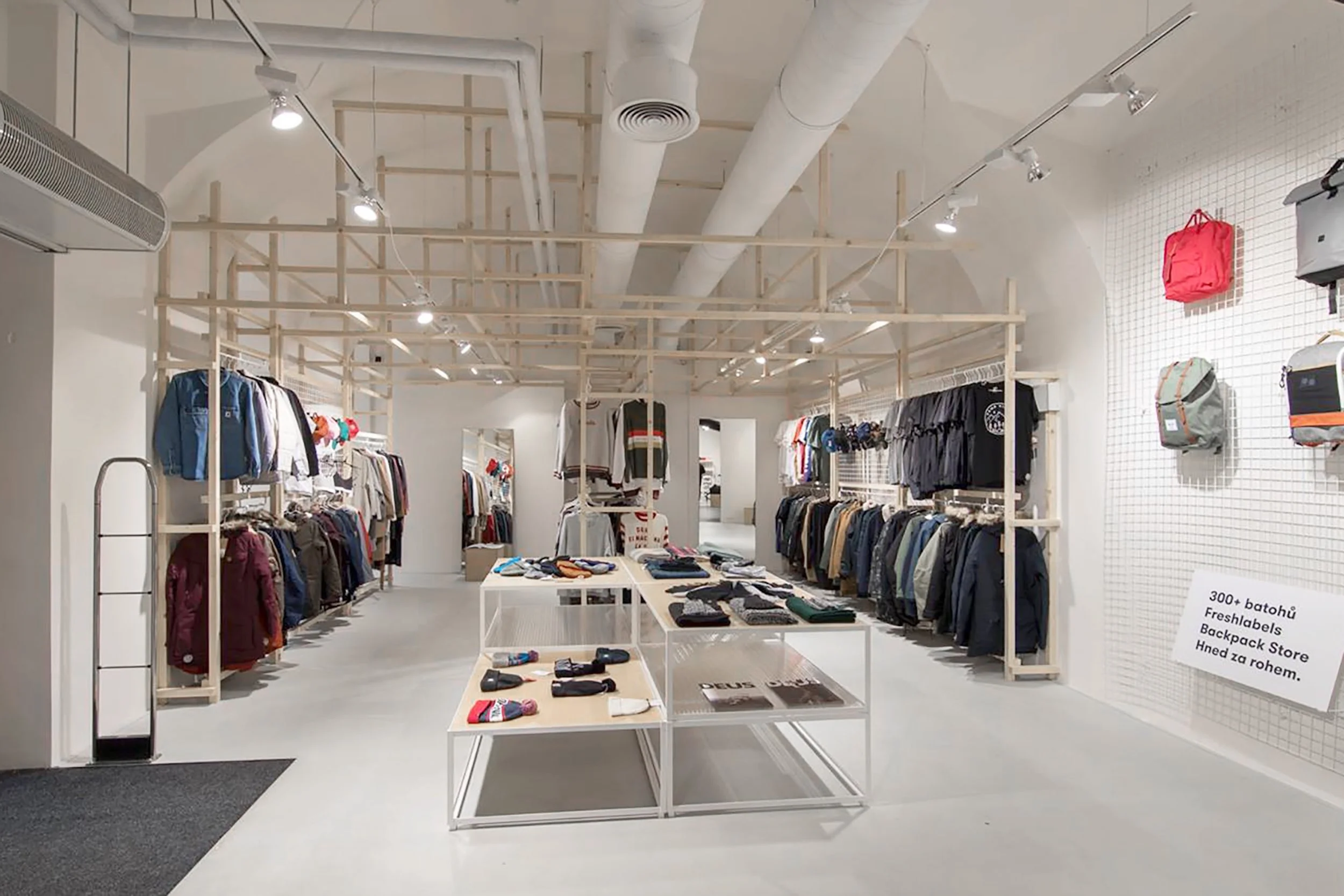
Walk into a high-end boutique and a sales associate greets you warmly, asks a thoughtful question, and then gives you space to browse.
Walk into another store and an associate approaches within seconds.
“Can I help you find something?”
You decline.
Two minutes later, another employee asks the same question.
Then another.
You leave.
The contrast is striking because retail selling is often misunderstood. Many people imagine sales as persuasion. Convincing. Influencing. Closing.
Customers frequently experience it differently.
The best retail sales techniques rarely feel like sales techniques at all.
They feel like assistance.
They reduce uncertainty. They simplify decisions. They build confidence. They help customers solve problems they may not fully understand themselves.
This distinction has become increasingly important. Modern consumers arrive informed. They compare products online. They read reviews. They watch demonstrations. By the time they enter a store, they often possess substantial information.
What they frequently lack is certainty.
And certainty, more than information, is where effective retail selling creates value.
The strongest sales associates do not push products. They guide decisions.
That difference may sound subtle.
In practice, it changes everything.
Why Traditional Selling Assumptions Often Fail
Retail organizations sometimes approach sales training as though customers are obstacles to be overcome.
The language reveals the mindset.
Overcoming objections.
Closing resistance.
Driving urgency.
Handling hesitations.
The problem is that these approaches frequently misunderstand the customer’s perspective.
Most shoppers are not resisting the retailer.
They are managing risk.
They worry about making the wrong choice.
They worry about spending unnecessarily.
They worry about regret.
Viewed through this lens, effective selling becomes less about persuasion and more about reducing anxiety.
The best sales techniques address uncertainty rather than pressure.
Customers reward confidence.
They often avoid pressure.
The Foundation of Every Successful Retail Sale: Listening
Retailers love product knowledge.
And for good reason.
Associates should understand the merchandise they sell.
Yet product expertise alone rarely drives outstanding sales performance.
Listening does.
Customers reveal valuable information constantly:
- What problem they are trying to solve
- What matters most to them
- What concerns them
- What budget constraints exist
- What alternatives they are considering
Associates who listen effectively gain access to information that no sales script can provide.
This transforms the interaction.
Instead of presenting products generically, they can tailor recommendations specifically.
The result feels less like selling and more like guidance.
Customers generally prefer guidance.
Technique #1: Ask Better Questions
One of the most effective retail sales techniques involves asking questions that uncover customer needs.
Not interrogation.
Conversation.
There is a difference.
Weak questions often produce short answers.
“Can I help you?”
“No, thank you.”
The interaction ends immediately.
Stronger questions create engagement.
Examples include:
- “What are you hoping to find today?”
- “How will you be using this product?”
- “What has worked well for you before?”
- “What’s most important in your decision?”
These questions reveal context.
Context creates relevance.
Relevance improves sales outcomes.
Customers are more likely to purchase when recommendations align with their specific circumstances.
Technique #2: Sell Solutions, Not Products
Customers rarely purchase products for their own sake.
They purchase outcomes.
A customer buying running shoes may actually be purchasing comfort.
A customer buying cookware may be purchasing confidence.
A customer buying office furniture may be purchasing productivity.
This distinction matters.
The strongest sales associates focus conversations on customer goals rather than product specifications alone.
Product-Centered vs. Solution-Centered Selling
| Approach | Focus | Customer Perception | Sales Impact |
|---|---|---|---|
| Product-Centered | Features and specifications | Informational | Moderate |
| Solution-Centered | Customer needs and outcomes | Helpful and relevant | High |
| Transaction-Centered | Immediate purchase | Pressured | Often lower |
| Relationship-Centered | Long-term trust | Valuable and consultative | Very High |
Customers do not always remember product details.
They remember whether the product solved their problem.
Technique #3: Build Trust Before Making Recommendations
Trust functions as retail’s most valuable currency.
Without trust, even excellent recommendations generate skepticism.
With trust, customers become more receptive.
Trust develops through several behaviors:
- Honest communication
- Product knowledge
- Transparency
- Active listening
- Genuine interest in customer needs
Interestingly, trust often increases when associates acknowledge limitations.
Sometimes a lower-priced product may represent the better option.
Sometimes a product may not fit the customer’s needs.
Customers notice these moments.
And they remember them.
Short-term honesty frequently creates long-term loyalty.
My Lesson Learned About Retail Selling
Years ago, I observed a retailer whose top-performing associate consistently outsold colleagues by a significant margin.
Management initially assumed she possessed exceptional persuasive abilities.
After spending time watching her interactions, a different explanation emerged.
She rarely rushed recommendations.
She asked thoughtful questions.
She listened carefully.
She often suggested fewer products than other associates.
Yet customers purchased more.
Why?
Because her recommendations felt credible.
Customers trusted her judgment.
The lesson was revealing.
The strongest salespeople are not necessarily the most persuasive. They are often the most trusted.
That distinction fundamentally changed how I evaluate retail sales performance.
Technique #4: Use Product Knowledge Strategically
Product knowledge remains important.
But knowledge alone is insufficient.
Customers do not need associates to recite specifications available online.
They need help interpreting those specifications.
The difference is crucial.
For example:
Rather than saying:
“This vacuum has a 750-watt motor.”
An associate might explain:
“This model performs especially well if you have pets because it handles hair effectively.”
The second explanation connects features to customer outcomes.
Customers understand value more easily when information is translated into practical benefits.
Technique #5: Create Confidence Through Demonstration
Uncertainty often prevents purchases.
Demonstrations reduce uncertainty.
Customers gain confidence when they can:
- Test products
- Experience functionality
- Compare alternatives
- Visualize usage
This explains why demonstrations remain powerful across many retail categories.
Electronics retailers use product displays.
Beauty retailers offer testers.
Furniture retailers create room settings.
The principle remains consistent.
Confidence supports purchasing decisions.
The more clearly customers can envision ownership, the more likely they are to buy.
Technique #6: Master the Art of Cross-Selling
Cross-selling frequently receives a bad reputation because it is often executed poorly.
When recommendations feel irrelevant, customers perceive them as opportunistic.
Effective cross-selling feels different.
It improves the customer’s overall solution.
Consider a customer purchasing hiking boots.
Relevant recommendations might include:
- Moisture-wicking socks
- Waterproof treatment
- Trail-specific insoles
These additions solve related problems.
The focus remains customer value.
Not transaction expansion alone.
Characteristics of Effective Cross-Selling
- Relevant
- Timely
- Helpful
- Personalized
Customers appreciate recommendations that make purchases more complete.
Technique #7: Reduce Decision Fatigue
Choice can be beneficial.
Excessive choice can be overwhelming.
Many retail categories contain dozens—or hundreds—of options.
Customers frequently struggle to evaluate them efficiently.
Associates create value by simplifying decisions.
This may involve:
- Narrowing alternatives
- Highlighting key differences
- Recommending top options
- Explaining trade-offs
Customers often seek expertise because they want clarity.
The strongest sales techniques reduce complexity rather than adding to it.
Technique #8: Use Social Proof Carefully
People frequently look to others when making decisions.
Social proof can therefore influence purchasing behavior.
Examples include:
- Best-seller labels
- Customer reviews
- Popular product indicators
- Associate recommendations
However, credibility matters.
Customers quickly detect exaggeration.
Effective social proof remains factual and relevant.
The goal is reassurance.
Not manipulation.
Technique #9: Follow Customer Energy
One of the most overlooked retail skills involves reading customer behavior.
Different customers desire different levels of engagement.
Some enjoy detailed consultations.
Others prefer independence.
Effective associates adapt accordingly.
This flexibility improves customer comfort.
Retail interactions should feel responsive rather than scripted.
Customers appreciate support that aligns with their preferences.
The ability to adjust communication styles often separates average performers from exceptional ones.
Technique #10: Focus on Relationships, Not Transactions
Retail organizations frequently measure daily sales.
Customers experience relationships over time.
The distinction matters.
A transaction-centered mindset emphasizes immediate revenue.
A relationship-centered mindset emphasizes lifetime value.
Customers who trust a retailer often:
- Return more frequently
- Explore additional categories
- Recommend the brand
- Spend more over time
The strongest sales techniques therefore extend beyond individual purchases.
They create reasons to return.
Why Sales Techniques Fail When Culture Fails
Many retailers invest heavily in sales training.
Results vary considerably.
The reason is straightforward.
Techniques operate within broader organizational cultures.
A retailer that rewards aggressive behavior may unintentionally undermine customer trust.
A retailer that values service often strengthens long-term relationships.
Culture influences execution.
Employees generally adopt behaviors that organizations reinforce.
The most successful retailers align incentives with customer outcomes rather than short-term transactions alone.
Technology Supports Selling—But Does Not Replace It
Retail technology continues to evolve.
Associates now have access to:
- Mobile inventory systems
- Product comparison tools
- Customer purchase histories
- Real-time availability information
These tools improve efficiency.
Yet technology does not eliminate the human dimension of selling.
Customers still seek reassurance.
They still seek expertise.
They still seek confidence.
Technology provides information.
People provide interpretation.
The combination remains powerful.
Conclusion: The Best Retail Sales Techniques Feel Like Service
When people ask, “What are the best retail sales techniques?” they often expect tactics.
Scripts.
Closing methods.
Persuasion frameworks.
Those tools may have value.
But the strongest retail sales techniques operate at a deeper level.
They help customers make decisions.
They reduce uncertainty.
They build trust.
They create confidence.
The highest-performing retail associates understand something that many organizations overlook: customers rarely want to be sold to.
They want to be understood.
And perhaps that is the central paradox of retail selling.
The less the interaction feels like selling, the more effective it often becomes.
Because great retail sales techniques are not really about influencing customers to buy things they do not need.
They are about helping customers recognize the products, solutions, and outcomes that genuinely fit their goals.
When retailers accomplish that, sales become a natural consequence rather than the objective itself.
And that is where sustainable retail growth begins.
- Arts
- Business
- Computers
- Jogos
- Health
- Início
- Kids and Teens
- Money
- News
- Personal Development
- Recreation
- Regional
- Reference
- Science
- Shopping
- Society
- Sports
- Бизнес
- Деньги
- Дом
- Досуг
- Здоровье
- Игры
- Искусство
- Источники информации
- Компьютеры
- Личное развитие
- Наука
- Новости и СМИ
- Общество
- Покупки
- Спорт
- Страны и регионы
- World

 English
 Russian
 French
 Spanish
 Portuguese
 Deutsch
 Turkish
 Dutch
Dutch
 Italiano
 Arabic
 Romaian
 Greek
Greek
