
The Art and Science of Picture Ratings: Understanding Recreation Through Visual Evaluation
The Art and Science of Picture Ratings: Understanding Recreation Through Visual Evaluation
In the digital age, where millions of images flood our screens daily, the act of rating pictures may seem trivial. Yet, beneath the surface lies a fascinating intersection of art, psychology, and technology. Picture ratings not only reflect our subjective preferences but also offer insights into human perception and cultural trends. Let's explore the intricacies of this seemingly simple act and uncover its deeper significance in the realm of recreation.
The Appeal of Visual Evaluation
From social media platforms to online marketplaces, picture ratings have become ubiquitous in our digital landscape. Whether we're swiping through dating profiles or browsing product reviews, we rely on visual cues to inform our decisions. Picture ratings provide a quick and intuitive way to gauge the quality, attractiveness, or relevance of an image, helping us navigate the vast sea of visual information with ease.
The Psychology Behind Ratings
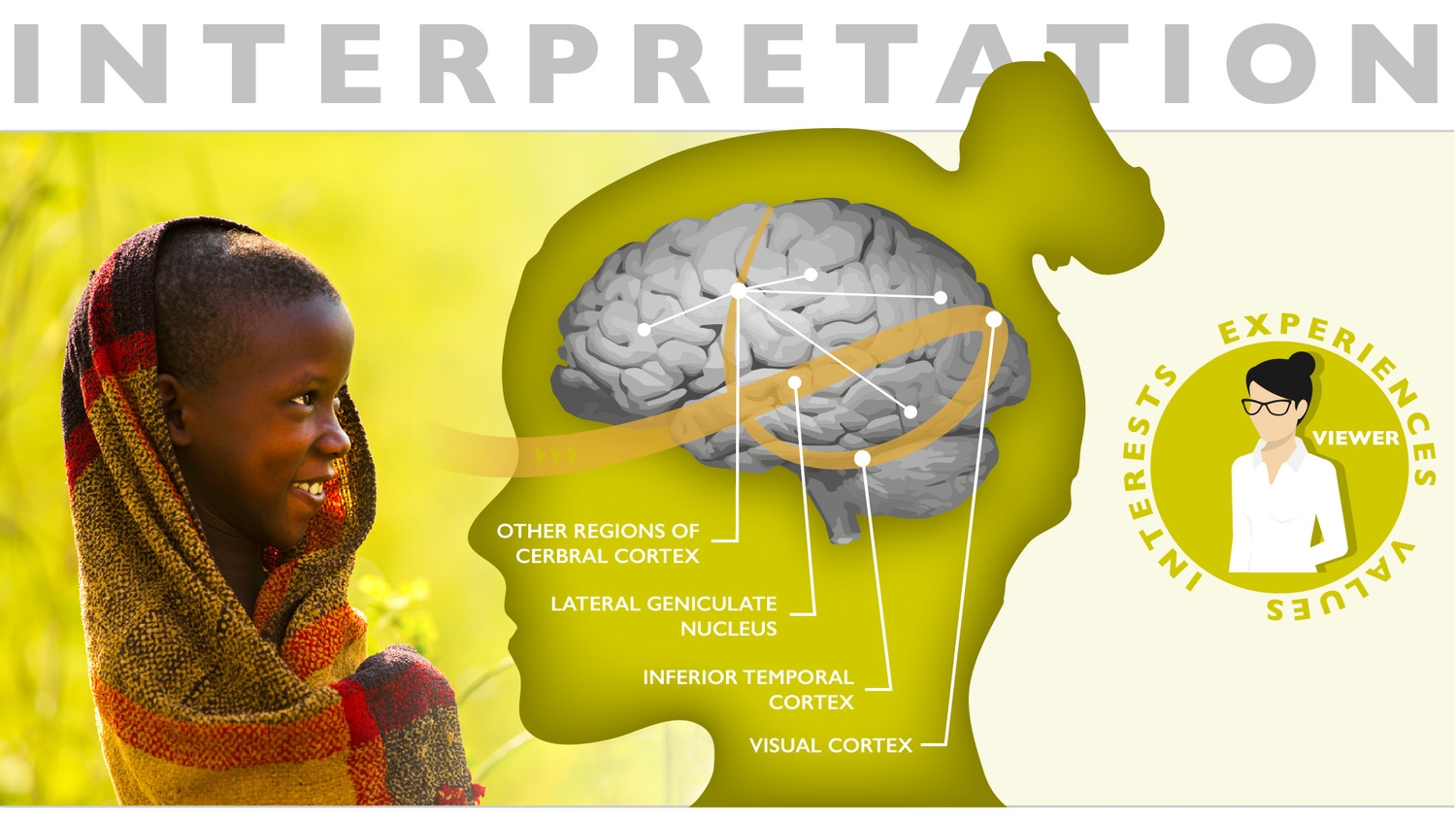
At its core, picture rating taps into fundamental aspects of human psychology. Studies have shown that we are naturally drawn to certain visual elements, such as symmetry, color harmony, and facial expressions. These innate preferences influence our perception of images, shaping our emotional response and overall evaluation. Additionally, social factors, such as peer influence and cultural norms, play a significant role in how we perceive and rate pictures.
The Role of Technology
Advancements in artificial intelligence and machine learning have revolutionized the process of picture rating. Algorithms trained on vast datasets can now analyze images with remarkable accuracy, identifying patterns and features that resonate with human preferences. From content recommendation systems to image recognition software, these technologies enable platforms to deliver personalized experiences tailored to individual tastes.
Cultural and Societal Implications
Picture ratings not only reflect individual preferences but also mirror broader cultural and societal trends. The images we find appealing or desirable are often shaped by prevailing norms and values within our society. For example, beauty standards vary across cultures, influencing our perception of attractiveness and idealized features. Similarly, socio-political factors can impact our interpretation of images, leading to divergent ratings based on ideological differences.
Challenges and Controversies
Despite their widespread use, picture ratings are not without challenges and controversies. Issues such as bias, manipulation, and ethical considerations loom large in the realm of visual evaluation. Biased algorithms may perpetuate stereotypes or reinforce existing inequalities, while malicious actors may exploit rating systems for personal gain or nefarious purposes. Addressing these challenges requires a multifaceted approach, involving transparency, accountability, and ethical guidelines.
Empowering Creativity and Expression
Despite the complexities and controversies surrounding picture ratings, they ultimately serve to empower creativity and expression in the digital age. By providing feedback and validation, ratings can motivate artists and content creators to refine their craft and strive for excellence. Moreover, they foster a sense of community and connection, allowing individuals to share their perspectives and engage in meaningful dialogue through visual communication.
Conclusion
In an era defined by visual culture and digital interconnectedness, picture ratings serve as both a reflection of our collective tastes and a catalyst for creative exploration. As technology continues to evolve and our understanding of human perception deepens, the act of rating pictures will undoubtedly evolve alongside it. Whether we're swiping left or right, giving a thumbs-up or a star rating, each click represents a moment of connection between creator and audience, shaping the ever-expanding landscape of visual recreation.
- Arts
- Business
- Computers
- Spellen
- Health
- Home
- Kids and Teens
- Money
- News
- Personal Development
- Recreation
- Regional
- Reference
- Science
- Shopping
- Society
- Sports
- Бизнес
- Деньги
- Дом
- Досуг
- Здоровье
- Игры
- Искусство
- Источники информации
- Компьютеры
- Личное развитие
- Наука
- Новости и СМИ
- Общество
- Покупки
- Спорт
- Страны и регионы
- World

 English
 Russian
 French
 Spanish
 Portuguese
 Deutsch
 Turkish
 Italiano
 Arabic
 Romaian
 Portuguese (Brazil)
 Greek
Greek