
The Art of Recreation: Exploring the Craft of Whip Making
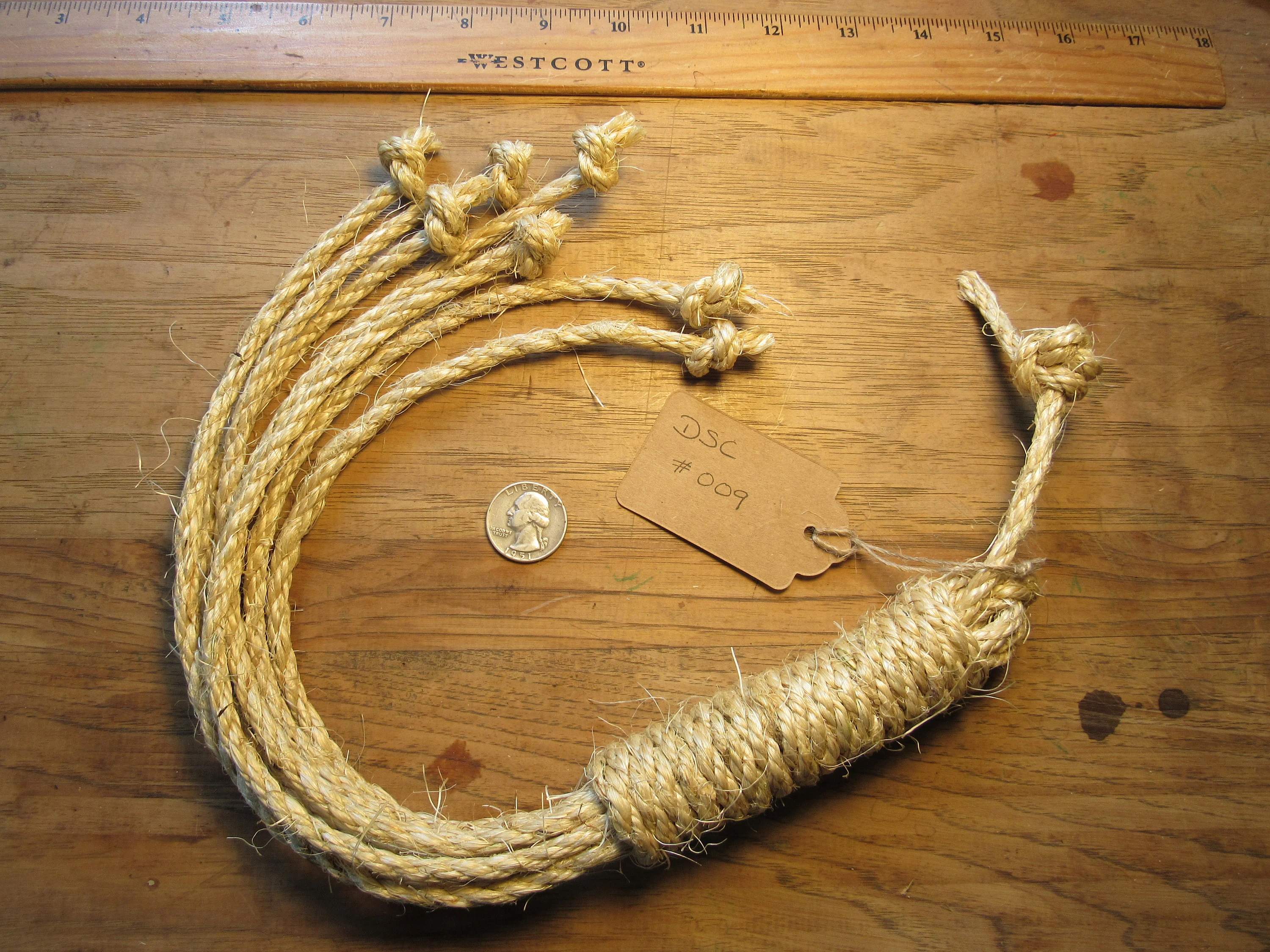
The Art of Recreation: Exploring the Craft of Whip Making
Whips have a storied history, symbolizing power, precision, and prowess in various cultural contexts. While traditionally associated with tasks like herding livestock or guiding horse-drawn carriages, whips also hold a place in recreational pursuits, where enthusiasts delve into the intricate craft of whip making. In this article, we delve into the fascinating world of whip recreation, exploring its history, techniques, and modern-day applications.
A Brief History of Whips
The use of whips dates back thousands of years, with evidence of their existence found in ancient civilizations across the globe. From the bullwhips of ancient Egypt to the knotted thongs of the Roman Empire, whips served diverse purposes, ranging from agricultural tasks to military maneuvers.
In more recent history, whips became synonymous with the cowboy culture of the American West, where skilled whip handlers showcased their prowess in cattle herding and horseback riding. Hollywood further romanticized the image of the whip-wielding cowboy, immortalizing iconic characters like Indiana Jones, who wielded his bullwhip with finesse and dexterity.
The Craft of Whip Making
Whip making is both an art and a science, requiring meticulous attention to detail, craftsmanship, and materials. While the specific techniques and materials vary depending on the type of whip being made, the process typically involves several key steps:
-
Selection of Materials: Whip makers carefully choose materials such as leather, nylon, or paracord, considering factors such as flexibility, durability, and aesthetics. Leather remains a popular choice for traditionalists, prized for its suppleness and resilience.
-
Plaiting or Braiding: The plaiting or braiding of the whip's core and overlay is a fundamental aspect of whip making. This process involves interweaving strands of material in intricate patterns to create a flexible yet robust structure. Different plaiting techniques, such as the herringbone or diamond plait, impart unique characteristics to the finished whip.
-
Handle Construction: The handle serves as the grip and balance point of the whip, requiring careful construction for optimal comfort and control. Handles may be fashioned from materials such as wood, metal, or resin, with leather or cord wrappings for added grip.
-
Adding Accents and Decorations: Whip makers often embellish their creations with decorative elements such as patterns, knots, or conchos. These accents not only enhance the aesthetic appeal of the whip but also reflect the artisan's individual style and creativity.
-
Finishing Touches: Once the whip is assembled, it undergoes final finishing touches, including trimming excess material, burnishing edges, and applying protective coatings or dyes. These steps ensure that the whip is both functional and visually appealing.
Modern Applications and Recreation
In modern times, whip recreation encompasses a diverse range of activities and pursuits:
-
Sport Cracking: Whip cracking has evolved into a competitive sport, where enthusiasts showcase their skills in precision cracking, target hitting, and choreographed routines. Competitions and gatherings provide opportunities for whip enthusiasts to connect, learn from each other, and push the boundaries of their craft.
-
Performing Arts: Whips feature prominently in performing arts genres such as circus acts, stunt shows, and theatrical productions. Performers use whips to create dramatic effects, accentuate choreography, and captivate audiences with displays of skill and showmanship.
-
Historical Reenactment: Historical reenactors and living history enthusiasts recreate scenes from the past, including military drills, pioneer demonstrations, and medieval festivals. Whips play a role in these reenactments, offering authenticity and immersion into bygone eras.
-
Artisanal Crafts: For some, whip making is a form of artisanal craftsmanship, where meticulous attention to detail and a passion for tradition converge. Artisan whip makers create bespoke creations for collectors, enthusiasts, and performers, imbuing each whip with a sense of craftsmanship and individuality.
Conclusion
Whip recreation represents a fascinating intersection of history, craftsmanship, and recreation, where enthusiasts explore the timeless art of whip making in diverse and innovative ways. Whether cracking a whip with precision and skill or crafting bespoke creations with meticulous attention to detail, participants in the world of whip recreation celebrate the enduring legacy of this iconic tool. As they crack their whips and showcase their craft, they pay homage to the rich heritage and cultural significance of this timeless symbol of power and prowess.
- Arts
- Business
- Computers
- Παιχνίδια
- Health
- Κεντρική Σελίδα
- Kids and Teens
- Money
- News
- Personal Development
- Recreation
- Regional
- Reference
- Science
- Shopping
- Society
- Sports
- Бизнес
- Деньги
- Дом
- Досуг
- Здоровье
- Игры
- Искусство
- Источники информации
- Компьютеры
- Личное развитие
- Наука
- Новости и СМИ
- Общество
- Покупки
- Спорт
- Страны и регионы
- World

 English
 Russian
 French
 Spanish
 Portuguese
 Deutsch
 Turkish
 Dutch
Dutch
 Italiano
 Arabic
 Romaian
 Portuguese (Brazil)