
Unveiling the Treasure Troves: The Art of Referencing in Museums
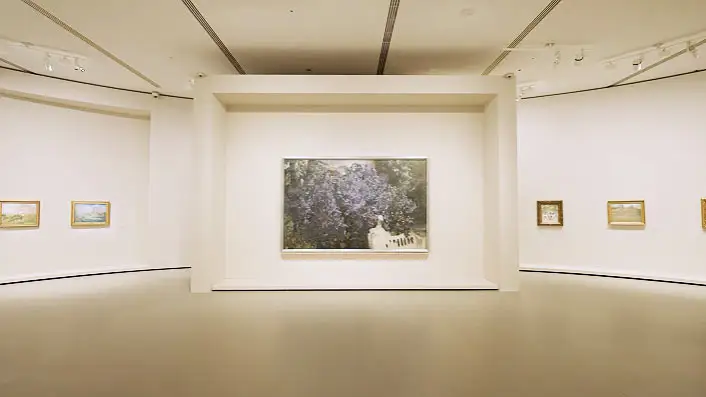
Unveiling the Treasure Troves: The Art of Referencing in Museums
Museums stand as sanctuaries of knowledge, preserving the threads of human history, culture, and innovation. Within their hallowed halls, every artifact whispers tales of bygone eras, civilizations, and triumphs. Yet, behind the scenes of these grand exhibits lies a meticulous art often overlooked - the art of referencing.
References in museums serve as the anchor that ties artifacts to their historical context, enriching our understanding and appreciation of their significance. Much like footnotes in a scholarly text, references provide the necessary framework for interpretation and analysis.
One of the primary functions of referencing in museums is authentication. In an age rife with forgeries and replicas, establishing the provenance of an artifact is paramount. References to archival documents, historical accounts, and provenance records validate the authenticity of an object, lending it credence and ensuring its place within the annals of history remains unchallenged.
Moreover, references serve as conduits for storytelling. Each artifact has a narrative to share, and references provide the script. By citing contemporary accounts, diaries, or oral histories, museums breathe life into inanimate objects, allowing visitors to immerse themselves in the world of their creators. A simple clay pot transforms into a vessel of cultural exchange, its journey chronicled through the references that trace its origins and migrations.
Furthermore, referencing fosters scholarly discourse within the museum community. Curators and historians engage in a delicate dance of interpretation, drawing upon references to formulate hypotheses and theories about the significance of artifacts. Through peer-reviewed publications, exhibitions, and symposiums, museums contribute to the collective pool of knowledge, enriching our understanding of the past and its relevance to the present.
However, the art of referencing in museums is not without its challenges. The passage of time can obscure the trail of breadcrumbs that leads to an artifact's origins. Documents may be lost, records incomplete, or memories faded. In such instances, curators must rely on interdisciplinary approaches, combining archaeological evidence, scientific analysis, and comparative studies to fill in the gaps.
Additionally, the digital age has ushered in new opportunities and complexities for referencing in museums. Online databases, digitized archives, and crowdsourced platforms offer unprecedented access to information, yet navigating this vast sea of data requires discernment and expertise. Curators must sift through a deluge of sources, evaluating their reliability and relevance to ensure the integrity of their references.
Despite these challenges, the art of referencing remains an indispensable tool in the curator's arsenal. As guardians of cultural heritage, museums bear a solemn responsibility to preserve the past for future generations. Through meticulous referencing, they uphold the highest standards of scholarship, ensuring that each artifact retains its place in the tapestry of human history.
In conclusion, referencing in museums is not merely a footnote in the annals of academia; it is the very essence of their existence. By anchoring artifacts to their historical context, fostering scholarly discourse, and preserving the integrity of the past, museums uphold their mandate to enlighten, educate, and inspire. As we stand on the threshold of the future, let us not forget the invaluable role that references play in unveiling the treasure troves of our shared heritage.
- Arts
- Business
- Computers
- Jogos
- Health
- Início
- Kids and Teens
- Money
- News
- Personal Development
- Recreation
- Regional
- Reference
- Science
- Shopping
- Society
- Sports
- Бизнес
- Деньги
- Дом
- Досуг
- Здоровье
- Игры
- Искусство
- Источники информации
- Компьютеры
- Личное развитие
- Наука
- Новости и СМИ
- Общество
- Покупки
- Спорт
- Страны и регионы
- World

 English
 Russian
 French
 Spanish
 Portuguese
 Deutsch
 Turkish
 Dutch
Dutch
 Italiano
 Arabic
 Romaian
 Greek
Greek