
Exploring the Interplay Between Religion and Spirituality
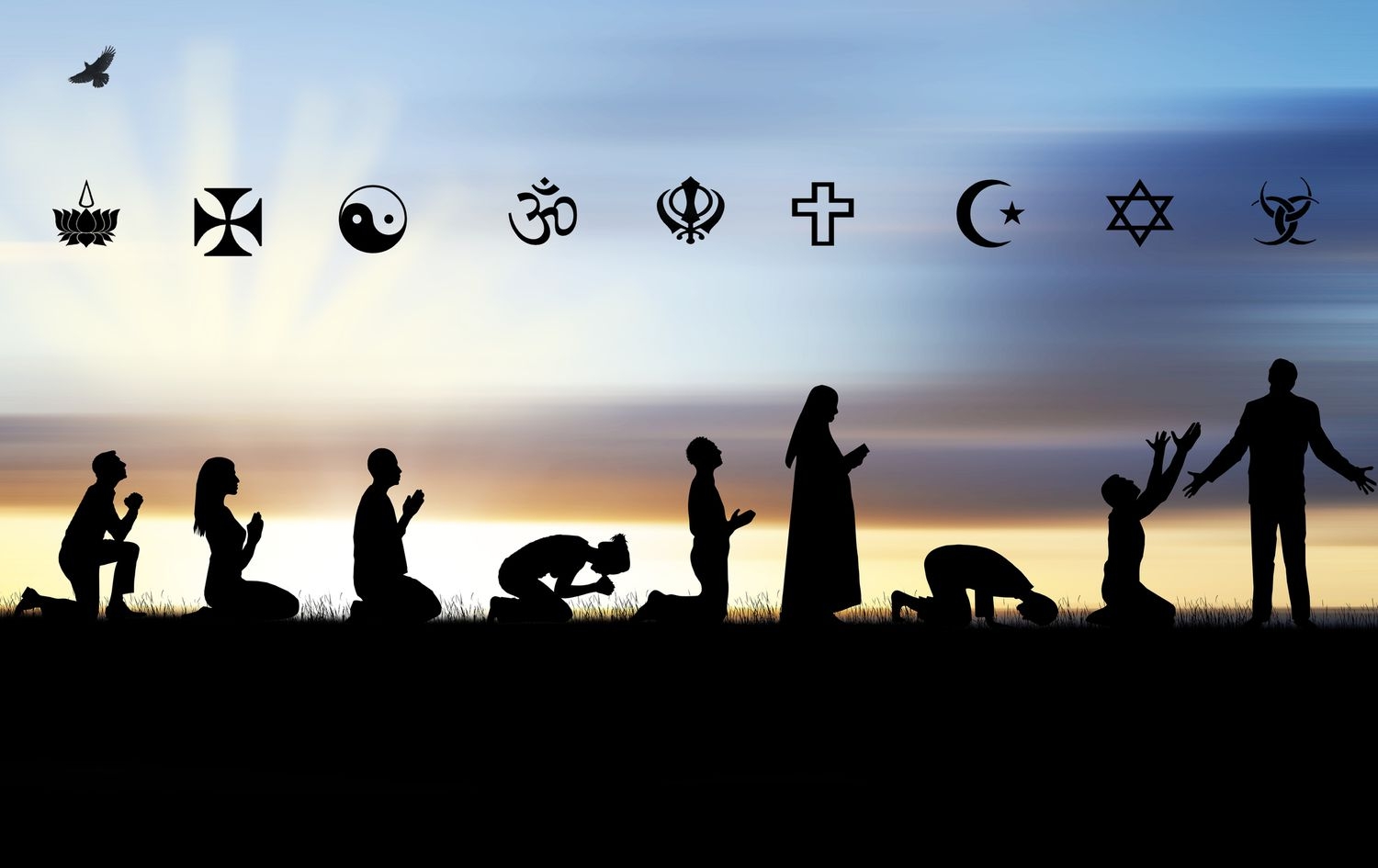
Exploring the Interplay Between Religion and Spirituality
In the realm of human experience, few subjects evoke as much passion, debate, and introspection as religion and spirituality. These concepts, while often used interchangeably, carry distinct meanings and significance for individuals and communities worldwide. Understanding the interplay between religion and spirituality provides insights into the diverse tapestry of beliefs that shape human existence.
Defining Religion and Spirituality
Religion typically refers to organized systems of beliefs, practices, rituals, and moral codes centered around a deity or deities. These organized structures often have established institutions, hierarchies, and doctrines that guide the lives of adherents. Examples include Christianity, Islam, Hinduism, Buddhism, Judaism, and many others. Religion serves various functions in society, including providing a framework for understanding the cosmos, offering moral guidance, fostering community cohesion, and addressing existential questions.
On the other hand, spirituality encompasses an individual's personal quest for meaning, purpose, and connection to something greater than oneself. It is a deeply subjective and often introspective journey that transcends conventional religious boundaries. While spirituality can be informed by religious beliefs, it is not confined to any specific doctrine or institution. Spirituality manifests in diverse forms, including meditation, prayer, mindfulness practices, nature appreciation, and mystical experiences. It is characterized by an exploration of inner truths, personal growth, and the pursuit of transcendence.
The Relationship Between Religion and Spirituality
The relationship between religion and spirituality is complex and multifaceted, with individuals navigating a spectrum ranging from staunch religious orthodoxy to unbounded spiritual exploration. For some, religion provides a structured framework through which to explore and express their spirituality. Religious rituals, scriptures, and community gatherings offer avenues for spiritual connection and growth within a shared belief system.
Conversely, others may find themselves drawn to spirituality outside traditional religious contexts, seeking a more individualized and eclectic path. These individuals may draw inspiration from various religious traditions, philosophical teachings, or personal experiences to inform their spiritual practice. For them, spirituality represents a more fluid and dynamic expression of their innermost beliefs and values.
Challenges and Tensions
Despite their potential for harmony, religion and spirituality can also give rise to tensions and conflicts, both within and between individuals and communities. Religious institutions may impose dogma and orthodoxy that stifles spiritual exploration and personal autonomy. Conversely, spiritual seekers may perceive organized religion as restrictive or dogmatic, preferring a more intuitive and experiential approach to spirituality.
Interfaith dialogue and ecumenical movements seek to bridge these divides by fostering understanding, cooperation, and mutual respect among different religious and spiritual traditions. By recognizing the commonalities and shared aspirations underlying diverse belief systems, these efforts promote peace, harmony, and social cohesion in an increasingly interconnected world.
The Role of Science and Secularism
In contemporary society, the rise of science and secularism has also influenced the landscape of religion and spirituality. Scientific discoveries have challenged traditional religious cosmologies and narratives, prompting reevaluations and reinterpretations of religious beliefs. Additionally, secularism has led to the proliferation of non-religious worldviews, emphasizing reason, evidence, and humanistic values over supernatural or metaphysical explanations.
However, rather than being diametrically opposed, science, religion, and spirituality can complement each other in enriching our understanding of the cosmos and our place within it. Many religious and spiritual traditions embrace scientific inquiry and see it as a means of deepening their appreciation for the wonders of creation. Similarly, science can benefit from insights gained through religious and spiritual practices, such as mindfulness meditation and ethical reflection.
Conclusion
In essence, the interplay between religion and spirituality reflects the timeless human quest for meaning, transcendence, and connection. Whether through organized religion or personal spirituality, individuals seek to make sense of their existence, grapple with life's mysteries, and cultivate a sense of belonging and purpose. By embracing diversity, fostering dialogue, and cultivating empathy, we can navigate the rich tapestry of religious and spiritual beliefs that enrich our shared human experience.
- Arts
- Business
- Computers
- Spellen
- Health
- Home
- Kids and Teens
- Money
- News
- Personal Development
- Recreation
- Regional
- Reference
- Science
- Shopping
- Society
- Sports
- Бизнес
- Деньги
- Дом
- Досуг
- Здоровье
- Игры
- Искусство
- Источники информации
- Компьютеры
- Личное развитие
- Наука
- Новости и СМИ
- Общество
- Покупки
- Спорт
- Страны и регионы
- World

 English
 Russian
 French
 Spanish
 Portuguese
 Deutsch
 Turkish
 Italiano
 Arabic
 Romaian
 Portuguese (Brazil)
 Greek
Greek
