
The Significance of Visual Arts: A Journey Through Creativity and Expression
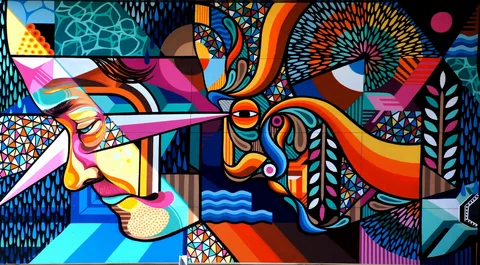
Visual arts encompass a diverse range of artistic expressions, including painting, sculpture, photography, graphic design, and more. This vibrant field serves not only as a form of personal expression but also as a means of communication, cultural reflection, and social commentary. In this article, we will explore the significance of visual arts, its history, key movements, and the role it plays in contemporary society.
What Are Visual Arts?
Visual arts are creations that can be perceived through sight, often aiming to evoke emotional responses or provoke thought. This category includes:
- Painting: Utilizing various mediums such as oils, acrylics, or watercolors to create two-dimensional works on surfaces like canvas or paper.
- Sculpture: Three-dimensional artworks made from materials like stone, metal, or clay, often designed to be viewed from multiple angles.
- Photography: The art of capturing images through cameras, offering unique perspectives on reality.
- Graphic Design: The combination of text and images to communicate ideas visually, used in advertising, branding, and digital media.
- Mixed Media: Combining different artistic techniques and materials to create innovative works.
The Importance of Visual Arts
-
Cultural Reflection: Visual arts serve as a mirror to society, reflecting cultural identities, beliefs, and histories. They provide insight into the values and experiences of different communities.
-
Emotional Expression: Artists often use their work to express feelings, thoughts, and personal narratives. Viewers can connect with these emotions, fostering empathy and understanding.
-
Communication: Visual arts transcend language barriers, allowing ideas and messages to be conveyed through imagery. This can be particularly powerful in social and political contexts, where art can inspire change.
-
Aesthetic Appreciation: Engaging with visual arts enhances our appreciation for beauty and creativity. Art can transform spaces and provoke curiosity, enriching our environments.
A Brief History of Visual Arts
The history of visual arts is rich and varied, marked by significant movements and styles:
-
Prehistoric Art: The earliest forms of visual expression, such as cave paintings, demonstrate humanity's innate desire to create and communicate.
-
Classical Art: In ancient Greece and Rome, art focused on ideals of beauty, proportion, and the human form, laying the groundwork for Western artistic traditions.
-
Renaissance: This period saw a revival of interest in classical ideas, with artists like Leonardo da Vinci and Michelangelo pushing the boundaries of realism and human emotion.
-
Modernism: Emerging in the late 19th and early 20th centuries, modernism embraced abstraction and experimentation. Movements like Impressionism, Cubism, and Surrealism challenged traditional notions of representation.
-
Contemporary Art: Today, visual arts continue to evolve, with artists exploring new technologies, social issues, and diverse mediums. The boundaries of what constitutes art are continually being redefined.
The Role of Visual Arts in Contemporary Society
Visual arts hold a crucial place in today's world, influencing various aspects of life:
-
Education: Art education fosters creativity, critical thinking, and problem-solving skills. Integrating visual arts into curricula enhances overall learning experiences.
-
Mental Health: Engaging with or creating art can have therapeutic benefits, helping individuals process emotions, reduce stress, and improve mental well-being.
-
Economic Impact: The arts contribute significantly to the economy, creating jobs in various sectors, including galleries, museums, and entertainment industries.
-
Community Engagement: Public art projects, exhibitions, and festivals bring communities together, fostering a sense of belonging and pride. They provide platforms for dialogue and collaboration.
-
Digital Revolution: The rise of digital technologies has transformed visual arts, enabling artists to reach wider audiences through online platforms. Social media has become a powerful tool for sharing and promoting art.
Conclusion
Visual arts are an integral part of human experience, encompassing creativity, culture, and communication. They enrich our lives, provoke thought, and foster connections among individuals and communities. As we navigate an increasingly complex world, the importance of visual arts in reflecting our realities, expressing our emotions, and inspiring change cannot be overstated. By supporting and engaging with visual arts, we contribute to a vibrant cultural landscape that celebrates diversity and creativity.
- Arts
- Business
- Computers
- Jogos
- Health
- Início
- Kids and Teens
- Money
- News
- Personal Development
- Recreation
- Regional
- Reference
- Science
- Shopping
- Society
- Sports
- Бизнес
- Деньги
- Дом
- Досуг
- Здоровье
- Игры
- Искусство
- Источники информации
- Компьютеры
- Личное развитие
- Наука
- Новости и СМИ
- Общество
- Покупки
- Спорт
- Страны и регионы
- World

 English
 Russian
 French
 Spanish
 Deutsch
 Turkish
 Dutch
Dutch
 Italiano
 Arabic
 Romaian
 Portuguese (Brazil)
 Greek
Greek