
Computer Education in the Modern World
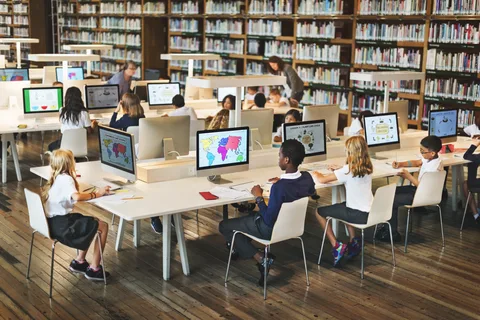
In today’s digital age, education in computers has become essential for navigating the complexities of a technology-driven society. Computer literacy is no longer a luxury but a necessity, impacting personal, academic, and professional success. This article explores the importance of computer education, current trends, challenges, and future prospects.
Importance of Computer Education
-
Career Opportunities: With the rapid growth of the tech industry, computer education opens doors to numerous career paths, from software development to data analysis and cybersecurity. Understanding computer systems is crucial for success in almost any field.
-
Digital Literacy: Computer education fosters digital literacy, enabling individuals to navigate the internet safely, critically evaluate information, and utilize digital tools effectively. These skills are vital for informed citizenship and participation in modern society.
-
Problem-Solving Skills: Learning to program and use computers enhances critical thinking and problem-solving abilities. Students develop a systematic approach to tackling challenges, which is applicable across various disciplines.
-
Creativity and Innovation: Computer education encourages creativity through coding, design, and multimedia projects. Students learn to express themselves in new ways, fostering innovation and entrepreneurial thinking.
Current Trends in Computer Education
-
STEM Integration: Schools and universities are increasingly integrating computer education into STEM (Science, Technology, Engineering, and Mathematics) curricula. This approach emphasizes the interconnectedness of these fields and prepares students for future challenges.
-
Online Learning: The rise of online courses and platforms has made computer education more accessible. Students can learn at their own pace, choosing from a wide range of topics, from basic coding to advanced artificial intelligence.
-
Coding for Kids: Initiatives aimed at teaching coding to younger students are gaining popularity. Programs like Code.org and Scratch introduce children to programming concepts through engaging activities and games.
-
Focus on Cybersecurity: As digital threats increase, there is a growing emphasis on cybersecurity education. Schools and institutions are offering courses that equip students with the skills needed to protect data and understand cyber threats.
Challenges in Computer Education
-
Access and Equity: Not all students have equal access to technology and resources. Disparities in access can hinder opportunities for low-income or rural students, highlighting the need for equitable solutions.
-
Curriculum Development: Keeping up with the fast-paced evolution of technology can be challenging for educators. Curriculums must be continuously updated to include emerging technologies and relevant skills.
-
Teacher Training: Effective computer education relies on well-trained educators. Many teachers may lack the necessary skills or confidence to teach computer science, necessitating ongoing professional development.
-
Overemphasis on Technical Skills: While technical skills are essential, there is a risk of neglecting soft skills like communication, teamwork, and critical thinking. A balanced approach is needed to prepare students for the workforce.
The Future of Computer Education
-
Interdisciplinary Approaches: Future computer education will likely emphasize interdisciplinary learning, integrating computer science with subjects like art, humanities, and social sciences to foster holistic understanding.
-
Artificial Intelligence and Machine Learning: As AI becomes increasingly prevalent, education will need to focus on understanding these technologies. Courses will explore ethical implications and practical applications in various fields.
-
Personalized Learning: Advances in technology may allow for more personalized learning experiences. Adaptive learning platforms can tailor education to individual students' needs, enhancing engagement and effectiveness.
-
Global Collaboration: The digital world allows for global collaboration in education. Students can connect with peers from different cultures, enhancing their learning experiences and preparing them for a globalized workforce.
Conclusion
Education in computers is essential for equipping individuals with the skills needed to thrive in a rapidly changing world. By addressing current challenges and embracing future opportunities, we can ensure that computer education remains relevant, inclusive, and impactful. Investing in computer literacy today will foster innovation, creativity, and resilience, paving the way for a brighter future.
- Arts
- Business
- Computers
- Juegos
- Health
- Home
- Kids and Teens
- Money
- News
- Personal Development
- Recreation
- Regional
- Reference
- Science
- Shopping
- Society
- Sports
- Бизнес
- Деньги
- Дом
- Досуг
- Здоровье
- Игры
- Искусство
- Источники информации
- Компьютеры
- Личное развитие
- Наука
- Новости и СМИ
- Общество
- Покупки
- Спорт
- Страны и регионы
- World

 English
 Russian
 French
 Portuguese
 Deutsch
 Turkish
 Dutch
Dutch
 Italiano
 Arabic
 Romaian
 Portuguese (Brazil)
 Greek
Greek