
What Type of Business Should I Start?
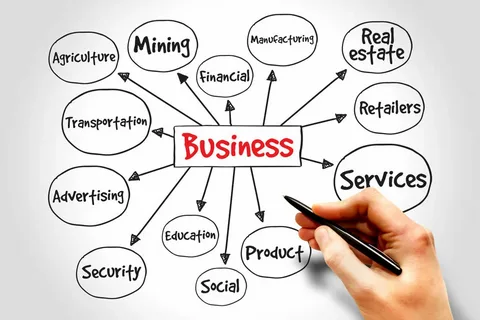
Starting a business is an exciting venture, but choosing the right type can feel overwhelming. With countless opportunities available, the decision should be approached with careful consideration. The key to success lies in selecting a business that not only aligns with your interests and skills but also meets market demand. Here’s a guide to help you navigate the process of determining which type of business to pursue.
1. Align with Your Interests and Skills
The foundation of any successful business is passion. When you enjoy what you do, it makes it easier to stay motivated, overcome challenges, and engage with customers. Ask yourself: What am I passionate about? Think about your hobbies, experiences, and expertise. Do you have a deep interest in technology, health and wellness, art, or food? Identifying a business that taps into these interests will keep you engaged long term and can even provide you with a competitive edge.
Moreover, it’s vital to assess your skills. Whether you have a knack for design, coding, marketing, or customer service, choose a business that lets you leverage your expertise. If you’re skilled in a particular area, you can deliver quality results, attract loyal customers, and grow your business more effectively.
2. Consider Market Demand
While personal interests and skills are important, they must align with what the market needs. Conduct thorough research to assess the demand for your business idea. Look at trends, consumer behavior, and gaps in the market. Tools like Google Trends, surveys, and competitor analysis can help you understand if there’s a viable demand for your product or service.
For instance, if you’re interested in starting a sustainable product business but find that the market for such items is already saturated, it might be wise to explore a different angle or niche within sustainability, such as eco-friendly packaging or renewable energy solutions.
3. Products or Services?
Deciding between selling products or offering services is another crucial aspect of choosing your business type. Both options come with their pros and cons. Selling products, especially online, can lead to passive income after the initial setup, but it requires inventory management, shipping, and potentially higher upfront costs. Services, on the other hand, may require less initial investment, and you can start with minimal overhead. However, services often depend on your time and effort, making it challenging to scale quickly.
When choosing, think about your long-term goals. If you prefer a more hands-on, client-focused business model, services might be more appropriate. On the other hand, if you want the ability to scale and potentially automate your business, selling products could be a better fit.
4. Identify Your Target Audience
Knowing your target audience is essential for determining which type of business will succeed. Without a clear understanding of who you are serving, your marketing strategies and products/services may miss the mark. Are you targeting young professionals, families, small businesses, or retirees? Define your ideal customers and tailor your offerings to meet their needs.
Demographic factors such as age, gender, location, and income level are important, but don’t overlook psychographics—interests, values, and lifestyles. For example, if you're passionate about fitness, your target market could include health-conscious individuals who seek personalized fitness coaching.
5. Start Small and Test
No matter which direction you decide to go in, it’s wise to start small. Begin with a minimum viable product (MVP) or pilot service to test the market. This will allow you to gather feedback, refine your offerings, and scale gradually. You can always expand as demand grows or pivot if needed.
Final Thoughts
Choosing the right type of business is a significant decision that will shape your entrepreneurial journey. Start by aligning your business idea with your interests, skills, and market demand. Decide whether you want to offer products or services, and always keep your target audience in mind. By doing so, you’ll have a clearer path toward success and satisfaction in your new venture.
- Arts
- Business
- Computers
- Juegos
- Health
- Home
- Kids and Teens
- Money
- News
- Personal Development
- Recreation
- Regional
- Reference
- Science
- Shopping
- Society
- Sports
- Бизнес
- Деньги
- Дом
- Досуг
- Здоровье
- Игры
- Искусство
- Источники информации
- Компьютеры
- Личное развитие
- Наука
- Новости и СМИ
- Общество
- Покупки
- Спорт
- Страны и регионы
- World

 English
 Russian
 French
 Portuguese
 Deutsch
 Turkish
 Dutch
Dutch
 Italiano
 Arabic
 Romaian
 Portuguese (Brazil)
 Greek
Greek