
What Is Your Leadership Style?
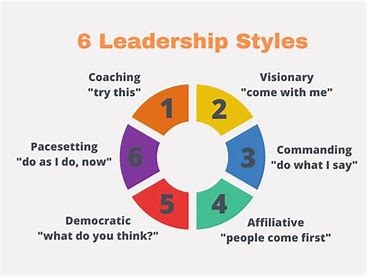
Leadership is not a one-size-fits-all approach. Every leader brings a unique set of values, behaviors, and methods to the table. Understanding your leadership style—whether transformational, transactional, servant, or another—can significantly improve how you lead, connect with your team, and drive results.
Why Leadership Style Matters
Your leadership style affects everything from team morale to decision-making and performance outcomes. By understanding your natural tendencies and how they align with your team’s needs, you can adjust your approach to be more effective and authentic. Knowing your style also helps you grow as a leader by identifying both your strengths and areas for development.
Common Leadership Styles
1. Transformational Leadership
Transformational leaders are visionaries who inspire change and innovation. They focus on motivating their teams through a shared purpose and are known for encouraging creativity, growth, and long-term thinking. This style is especially effective in dynamic, fast-paced environments.
2. Transactional Leadership
This results-oriented style is based on structure, rewards, and performance. Transactional leaders set clear goals, establish processes, and use incentives to drive productivity. It works well in settings where routine and consistency are essential, such as sales teams or operations.
3. Servant Leadership
Servant leaders prioritize the needs of their team above their own. They lead with empathy, actively listen, and support their team’s development. This style fosters a collaborative, trust-based environment and is often seen in mission-driven or people-focused organizations.
4. Democratic Leadership
Also known as participative leadership, this style emphasizes collaboration and input from team members. Decisions are often made collectively, which boosts engagement and creativity. However, it may slow down decision-making in fast-moving situations.
5. Autocratic Leadership
Autocratic leaders make decisions independently with little input from others. While this style can be efficient during crises or when quick decisions are needed, it may limit team morale and creativity over time.
6. Laissez-Faire Leadership
This hands-off approach allows team members significant autonomy. It works best when leading highly experienced, self-motivated individuals but can result in lack of direction if not balanced with occasional guidance.
Finding Your Fit
Identifying your leadership style often starts with self-awareness. Consider how you naturally make decisions, respond to conflict, motivate others, and handle change. Also, gather feedback from peers and team members—it can offer valuable insights into how your leadership is perceived.
Adapting Your Style
While most leaders have a dominant style, effective leadership often requires flexibility. Adapting your approach based on team dynamics, organizational goals, or situational demands is a hallmark of a truly impactful leader.
- Arts
- Business
- Computers
- Giochi
- Health
- Home
- Kids and Teens
- Money
- News
- Personal Development
- Recreation
- Regional
- Reference
- Science
- Shopping
- Society
- Sports
- Бизнес
- Деньги
- Дом
- Досуг
- Здоровье
- Игры
- Искусство
- Источники информации
- Компьютеры
- Личное развитие
- Наука
- Новости и СМИ
- Общество
- Покупки
- Спорт
- Страны и регионы
- World

 English
 Russian
 French
 Spanish
 Portuguese
 Deutsch
 Turkish
 Dutch
Dutch
 Arabic
 Romaian
 Portuguese (Brazil)
 Greek
Greek