
How Do I Handle Negative Feedback?
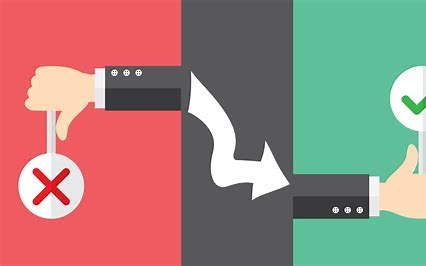
Strategies to Receive and Respond to Criticism Positively and Productively
Receiving negative feedback can be uncomfortable, even painful. It’s natural to feel defensive, frustrated, or even discouraged when our efforts are met with criticism. However, negative feedback—when handled correctly—can be one of the most valuable tools for personal and professional growth. Learning to respond with composure and an open mind can transform criticism into a catalyst for improvement.
1. Pause and Stay Calm
Your initial reaction to criticism might be emotional—anger, embarrassment, or defensiveness. The first step in handling negative feedback is to pause and breathe. Don’t respond immediately; give yourself a moment to process the information calmly. This helps you avoid reacting impulsively and allows you to engage more thoughtfully.
2. Listen Carefully
Negative feedback often contains useful insights. Focus on listening without interrupting, even if you disagree. Try to understand the message behind the words. Ask yourself, “What is the person really trying to say?” or “Is there a valid point here I can learn from?”
3. Ask Questions for Clarity
If the feedback is vague or confusing, it’s okay to ask follow-up questions. Try, “Can you give me an example?” or “What could I have done differently?” This shows that you are open to learning and willing to take responsibility for improvement.
4. Separate the Message from the Messenger
Not all feedback is delivered gracefully. Some people may communicate poorly or let emotions cloud their tone. Try to focus on the content, not the delivery or the person giving it. Even if the criticism wasn’t expressed perfectly, there may still be value in what’s being said.
5. Avoid Taking It Personally
Remember, feedback is typically about your behavior or performance—not about your worth as a person. Keep your ego in check and view feedback as a tool for growth, not an attack on your identity. Adopting a growth mindset can help you stay open and resilient.
6. Reflect and Evaluate
Take time to reflect on the feedback before deciding how to respond. Ask yourself:
-
Is this feedback valid?
-
Have I heard similar comments before?
-
What can I learn from this?
This step turns feedback into a constructive learning opportunity.
7. Take Action and Follow Up
Once you’ve identified areas for improvement, create an action plan. Implement changes and, if appropriate, follow up with the person who gave the feedback to show your progress. This demonstrates accountability and a willingness to grow.
8. Thank the Person
It might be difficult, but expressing gratitude for negative feedback can go a long way. Saying “Thank you for the input” shows professionalism and emotional maturity. It also encourages others to be honest with you in the future.
Final Thoughts
Handling negative feedback with grace is a skill that takes practice and emotional intelligence. When approached with the right mindset, criticism can be a stepping stone to self-improvement and stronger relationships. Remember, every piece of feedback—positive or negative—is a chance to grow.
- Arts
- Business
- Computers
- Games
- Health
- Home
- Kids and Teens
- Money
- News
- Personal Development
- Recreation
- Regional
- Reference
- Science
- Shopping
- Society
- Sports
- Бизнес
- Деньги
- Дом
- Досуг
- Здоровье
- Игры
- Искусство
- Источники информации
- Компьютеры
- Личное развитие
- Наука
- Новости и СМИ
- Общество
- Покупки
- Спорт
- Страны и регионы
- World

 Russian
 French
 Spanish
 Portuguese
 Deutsch
 Turkish
 Dutch
Dutch
 Italiano
 Arabic
 Romaian
 Portuguese (Brazil)
 Greek
Greek
