
What is Conflict Resolution?
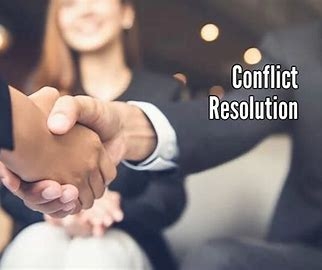
Conflict resolution involves addressing disagreements constructively through communication, understanding, and negotiation to reach a mutually acceptable solution. It’s a critical skill in both personal and professional settings, helping individuals and groups move past disputes in a healthy, productive way.
Understanding Conflict
Conflict arises when individuals or groups have opposing interests, needs, values, or goals. It can occur in workplaces, families, friendships, or communities. While often viewed negatively, conflict can also be a catalyst for change, innovation, and improved relationships—if handled properly.
The Importance of Conflict Resolution
Unresolved conflict can lead to stress, low morale, reduced productivity, and damaged relationships. On the other hand, effective conflict resolution builds trust, strengthens communication, and promotes collaboration. Organizations that prioritize conflict resolution tend to have more cohesive teams and better overall performance.
Key Elements of Conflict Resolution
1. Open Communication
Effective conflict resolution begins with honest, respectful dialogue. Each party should have the opportunity to express their perspective without fear of judgment or retaliation.
2. Active Listening
Listening is more than just hearing words—it involves understanding the emotions and intentions behind them. Active listening helps identify the root causes of a conflict.
3. Empathy and Understanding
Seeing the issue from the other person’s point of view fosters empathy and reduces defensiveness. This shift in perspective can open the door to compromise and cooperation.
4. Problem-Solving Approach
Rather than focusing on who’s right or wrong, effective conflict resolution centers on finding a win-win solution that addresses the needs of all involved.
5. Negotiation and Compromise
Through calm negotiation, parties can often find middle ground. Compromise doesn't mean giving in, but rather making concessions that lead to mutual benefit.
6. Mediation (When Necessary)
Sometimes, a neutral third party—such as a manager, mediator, or counselor—can help facilitate resolution when tensions are high or communication has broken down.
Practical Applications
Conflict resolution is valuable in countless real-world scenarios: resolving a disagreement between coworkers, managing customer complaints, addressing family disputes, or navigating cultural misunderstandings. The same principles apply across all settings.
Conclusion
Conflict is a natural part of life, but how it is handled makes all the difference. By approaching disagreements with empathy, clear communication, and a willingness to collaborate, individuals and groups can resolve issues constructively and emerge stronger than before.
- Arts
- Business
- Computers
- Games
- Health
- Home
- Kids and Teens
- Money
- News
- Personal Development
- Recreation
- Regional
- Reference
- Science
- Shopping
- Society
- Sports
- Бизнес
- Деньги
- Дом
- Досуг
- Здоровье
- Игры
- Искусство
- Источники информации
- Компьютеры
- Личное развитие
- Наука
- Новости и СМИ
- Общество
- Покупки
- Спорт
- Страны и регионы
- World

 Russian
 French
 Spanish
 Portuguese
 Deutsch
 Turkish
 Dutch
Dutch
 Italiano
 Arabic
 Romaian
 Portuguese (Brazil)
 Greek
Greek
