
How Can Emotional Intelligence Aid in Conflict Resolution?
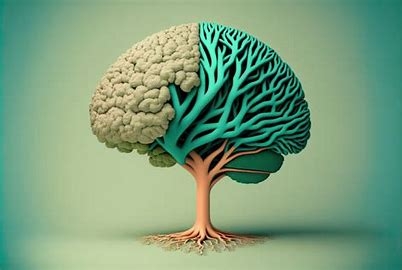
In any setting—whether in the workplace, among friends, or within families—conflict is inevitable. However, the way people handle conflict can make all the difference between deepening the divide or building stronger relationships. Emotional intelligence (EI) plays a pivotal role in conflict resolution, as it equips individuals with the tools to navigate emotional dynamics thoughtfully and effectively.
Understanding Emotional Intelligence
Emotional intelligence is the ability to recognize, understand, and manage one's own emotions, as well as to perceive and influence the emotions of others. It comprises several components: self-awareness, self-regulation, motivation, empathy, and social skills. Each of these elements is crucial in resolving conflicts peacefully and productively.
Recognizing Emotions to Prevent Escalation
Conflicts often spiral out of control when emotions run high and individuals react impulsively. Emotional intelligence helps people become aware of their emotional states and recognize triggers before they lead to unproductive behavior. For instance, someone with high EI might notice signs of frustration in themselves and take a moment to pause and cool down before responding, preventing the conflict from escalating.
Managing Emotions for Better Outcomes
Self-regulation allows individuals to maintain control over their emotional responses. Rather than reacting with anger or defensiveness, a person with strong emotional intelligence can choose a more measured response. This calm approach encourages open dialogue, making it easier to resolve misunderstandings and reach a compromise.
Enhancing Empathy and Understanding
Empathy, a core component of emotional intelligence, is especially important in conflict resolution. By genuinely trying to understand the other person’s perspective, emotionally intelligent individuals can identify the root of the disagreement and address it respectfully. Empathy fosters trust and shows that both parties are being heard, which often leads to quicker and more amicable resolutions.
Communicating Effectively
Emotional intelligence enhances communication by promoting active listening and clear expression of thoughts and feelings. When both parties feel safe and understood, it becomes easier to engage in constructive conversations rather than blame games or defensiveness. People with high EI tend to use "I" statements, avoid accusatory language, and stay focused on solutions instead of problems.
Building Long-Term Relationships
Resolving conflicts through emotional intelligence not only addresses immediate issues but also strengthens relationships in the long run. It builds mutual respect, reduces tension, and fosters a culture of cooperation. Whether in personal or professional settings, emotionally intelligent conflict resolution lays the foundation for more resilient and harmonious interactions.
Conclusion
Emotional intelligence is not just a personal asset—it’s a critical skill in resolving conflicts with empathy, clarity, and respect. By fostering self-awareness, emotional control, empathy, and effective communication, individuals can turn conflicts into opportunities for growth and collaboration.
- Arts
- Business
- Computers
- Oyunlar
- Health
- Home
- Kids and Teens
- Money
- News
- Personal Development
- Recreation
- Regional
- Reference
- Science
- Shopping
- Society
- Sports
- Бизнес
- Деньги
- Дом
- Досуг
- Здоровье
- Игры
- Искусство
- Источники информации
- Компьютеры
- Личное развитие
- Наука
- Новости и СМИ
- Общество
- Покупки
- Спорт
- Страны и регионы
- World

 English
 Russian
 French
 Spanish
 Portuguese
 Deutsch
 Dutch
Dutch
 Italiano
 Arabic
 Romaian
 Portuguese (Brazil)
 Greek
Greek
