
What Role Does Body Language Play in Conflict Resolution?
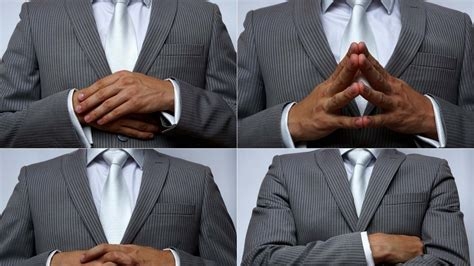
Conflict resolution is not just about the words we use—it's also about how we use our bodies to communicate. Body language, a powerful form of non-verbal communication, plays a crucial role in shaping the tone and direction of any conflict. From posture and facial expressions to eye contact and gestures, non-verbal cues often speak louder than words.
The Power of Non-Verbal Communication
In high-stress or emotionally charged situations, people may say things they don’t mean or struggle to articulate their thoughts. That’s where body language steps in. It can either reinforce verbal messages or contradict them. For example, saying "I'm listening" while looking away or crossing your arms sends mixed signals that may escalate tension rather than ease it.
Openness and Attentiveness
Body language that signals openness—such as uncrossed arms, leaning slightly forward, and maintaining appropriate eye contact—shows that a person is engaged and willing to understand the other’s perspective. These cues can help de-escalate conflict by fostering trust and demonstrating a willingness to collaborate.
Defensiveness and Aggression
On the other hand, closed or defensive body language—like crossed arms, avoiding eye contact, or a rigid stance—can signal resistance or unwillingness to engage in dialogue. Aggressive gestures, such as pointing fingers or invading personal space, often worsen the conflict and trigger defensive responses in others.
Mirroring and Rapport
Subtle mirroring of body language can create a sense of rapport and connection during conflict resolution. When individuals unconsciously or consciously reflect each other's posture or gestures, it can create a sense of mutual understanding and ease tension. This technique is often used in mediation and negotiation settings.
The Role of Facial Expressions
Facial expressions provide instant feedback during a conversation. A calm, understanding expression can soothe a tense exchange, while eye-rolling, frowning, or glaring can provoke further conflict. Being mindful of your own facial expressions—and interpreting others’ accurately—is key to maintaining respectful communication.
Improving Self-Awareness
Being aware of your own body language and interpreting others' cues accurately is essential in conflict resolution. It helps avoid miscommunication and prevents the escalation of emotions. Training in non-verbal communication can significantly improve one’s ability to handle conflicts diplomatically.
Conclusion
Body language plays a silent yet powerful role in conflict resolution. By using non-verbal cues to convey empathy, attentiveness, and openness, individuals can create a more constructive environment for resolving disputes. In contrast, negative body language can heighten tensions and derail productive conversations. Being conscious of these non-verbal signals can turn potential conflicts into opportunities for understanding and growth.
- Arts
- Business
- Computers
- Jogos
- Health
- Início
- Kids and Teens
- Money
- News
- Personal Development
- Recreation
- Regional
- Reference
- Science
- Shopping
- Society
- Sports
- Бизнес
- Деньги
- Дом
- Досуг
- Здоровье
- Игры
- Искусство
- Источники информации
- Компьютеры
- Личное развитие
- Наука
- Новости и СМИ
- Общество
- Покупки
- Спорт
- Страны и регионы
- World

 English
 Russian
 French
 Spanish
 Deutsch
 Turkish
 Dutch
Dutch
 Italiano
 Arabic
 Romaian
 Portuguese (Brazil)
 Greek
Greek