
What Is the Project Timeline? Setting Key Dates, Building Schedules, and Managing Dependencies
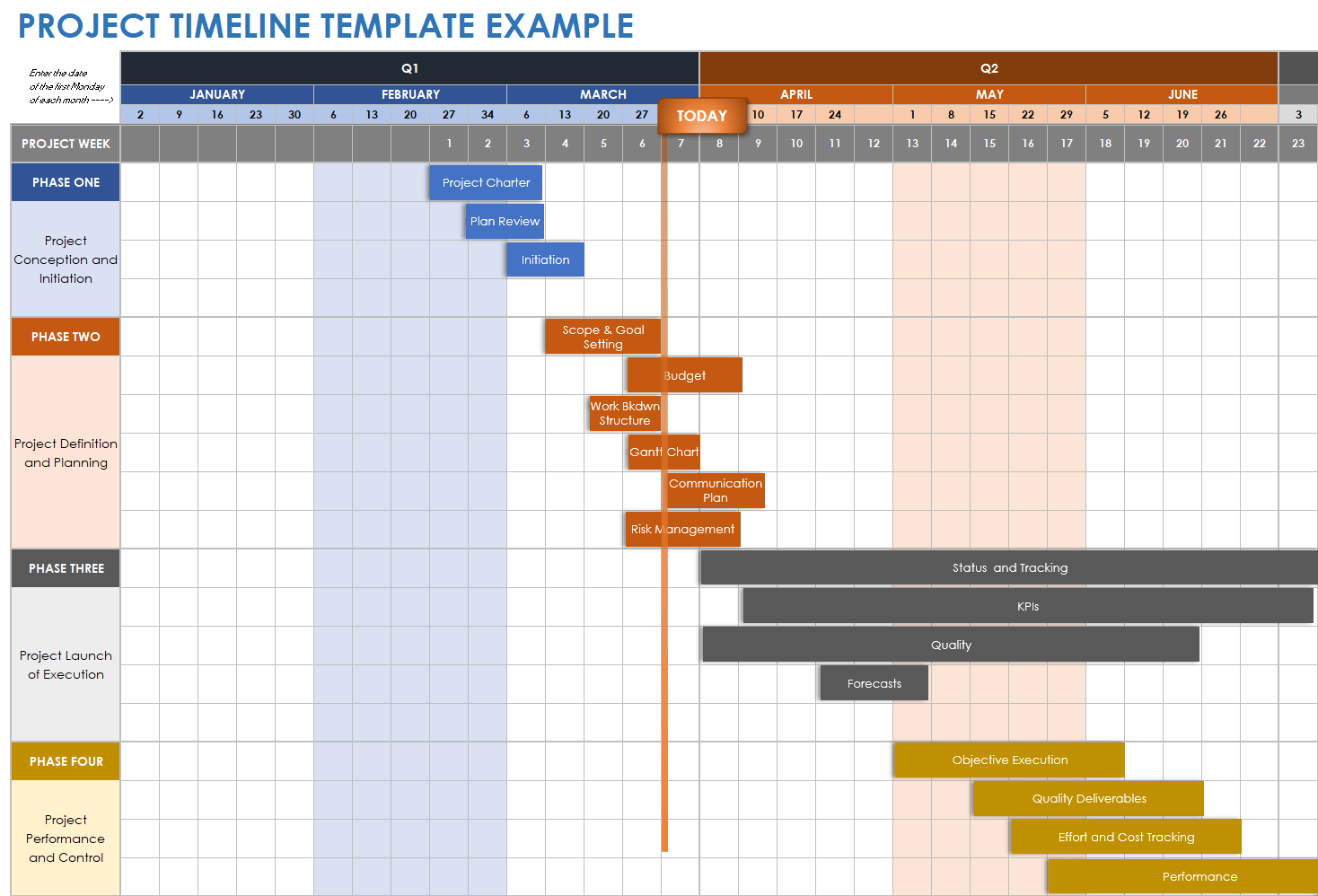
A well-defined project timeline serves as the backbone of any successful initiative. It outlines when tasks should start and finish, marks critical milestones, and helps manage interdependencies between activities. Establishing clear timeframes and understanding key deadlines is essential for staying on track, meeting stakeholder expectations, and achieving goals efficiently.
Understanding the Project Timeline
The project timeline is a visual representation of the project's schedule from initiation to completion. It includes all major tasks, deliverables, milestones, and deadlines. It also highlights the sequence in which activities occur, allowing for efficient resource planning and time allocation.
Setting Key Dates and Milestones
Milestones are significant points or events in the project lifecycle, such as the completion of a major phase or the delivery of a core component. Identifying these early helps define progress benchmarks and provides clear indicators of project health. Key dates should align with stakeholder needs, regulatory requirements, or business cycles.
Typical milestones might include:
-
Project kickoff
-
Design approval
-
Completion of development phases
-
Testing start and finish dates
-
Final delivery or launch
Building Effective Schedules
An effective schedule breaks down the entire project into manageable tasks with defined durations and assigned responsibilities. Tools such as Gantt charts, project calendars, and timeline software (e.g., Microsoft Project, Trello, or Asana) allow project managers to track progress in real-time.
When building a schedule:
-
Use the work breakdown structure (WBS) to list all tasks.
-
Estimate time requirements realistically.
-
Allocate resources wisely.
-
Include buffer time to handle unexpected delays.
Managing Dependencies
Project tasks rarely happen in isolation. Many depend on the completion of previous tasks or inputs from other teams. Understanding and managing these dependencies is critical to avoiding bottlenecks.
There are four key types of dependencies:
-
Finish-to-Start (FS) – A task must finish before the next one starts.
-
Start-to-Start (SS) – Tasks must start simultaneously.
-
Finish-to-Finish (FF) – Tasks must finish at the same time.
-
Start-to-Finish (SF) – Rare, but one task can’t finish until another starts.
Identifying and mapping these dependencies ensures smoother project flow and helps in proactive risk management.
Conclusion
A solid project timeline, backed by clearly defined milestones, thoughtful scheduling, and strong dependency management, keeps projects focused and aligned with their objectives. Investing time upfront to map out the schedule pays off in better control, communication, and overall project success.
- Arts
- Business
- Computers
- Jocuri
- Health
- Home
- Kids and Teens
- Money
- News
- Personal Development
- Recreation
- Regional
- Reference
- Science
- Shopping
- Society
- Sports
- Бизнес
- Деньги
- Дом
- Досуг
- Здоровье
- Игры
- Искусство
- Источники информации
- Компьютеры
- Личное развитие
- Наука
- Новости и СМИ
- Общество
- Покупки
- Спорт
- Страны и регионы
- World

 English
 Russian
 French
 Spanish
 Portuguese
 Deutsch
 Turkish
 Dutch
Dutch
 Italiano
 Arabic
 Portuguese (Brazil)
 Greek
Greek
