
How Do I Transition into Project Management? From Other Roles, by Gaining Experience, Certifications, and Networking
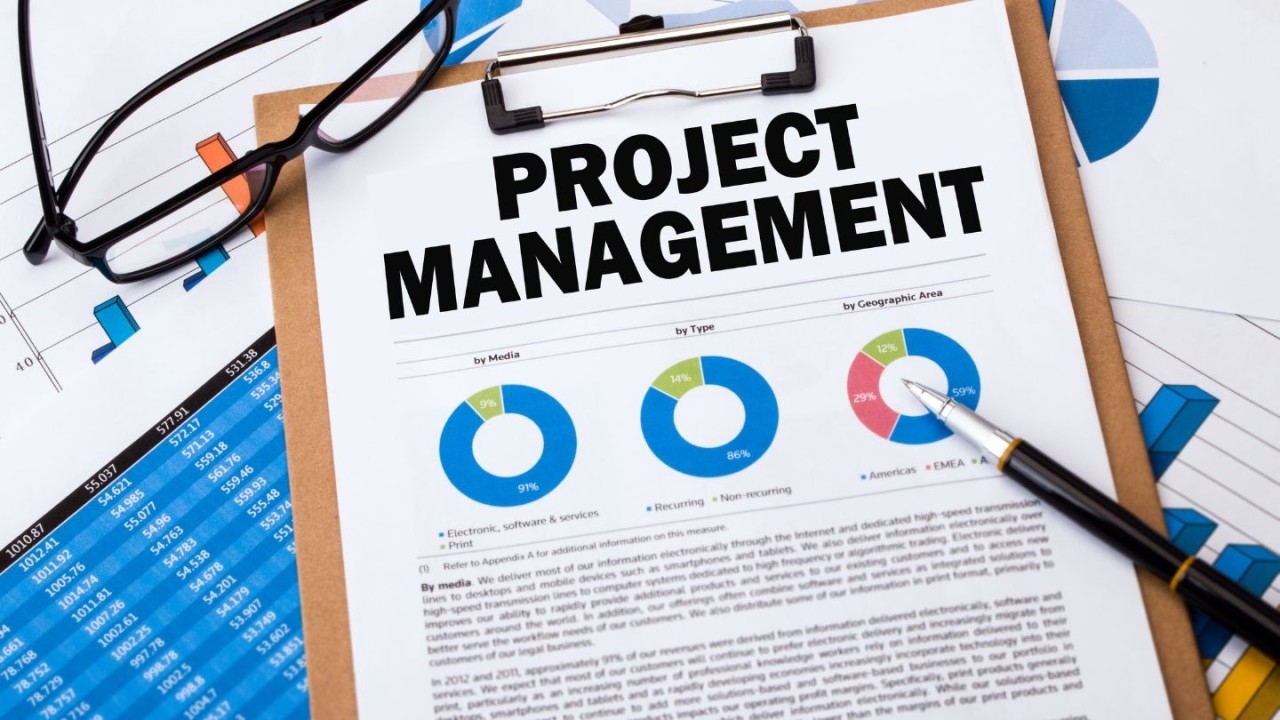
Transitioning into project management is a strategic career move that many professionals across industries consider as they gain experience and aspire to lead initiatives. Whether you're coming from a technical, administrative, creative, or operational role, becoming a project manager (PM) is achievable with the right approach. Here’s how you can make the leap effectively.
1. Leverage Your Existing Experience
You likely already have project management experience—just not with the title. Think about times you’ve led a team initiative, coordinated deadlines, handled budgets, or facilitated communication between departments. These transferable skills—organization, leadership, time management, and stakeholder communication—are key elements of project management. Start by identifying and documenting these instances on your resume and LinkedIn profile.
2. Learn Project Management Methodologies
Familiarity with methodologies like Agile, Scrum, Waterfall, and Kanban shows employers you're serious about the discipline. You don’t need to master them all at once, but understanding the fundamentals will give you a leg up, especially when applying to companies that use a specific approach.
Free resources like PMI’s online guides or Coursera’s introductory courses are great places to start.
3. Pursue a Certification
Certifications provide structure and credibility. Popular options include:
-
Certified Associate in Project Management (CAPM) – Great for beginners.
-
Project Management Professional (PMP) – For those with more experience.
-
Agile Certified Practitioner (PMI-ACP) – If you want to focus on Agile environments.
-
Scrum Master certifications (CSM, PSM) – For Agile/Scrum-based roles.
These credentials show potential employers that you’ve committed to the profession and have a standardized understanding of PM principles.
4. Volunteer for PM Tasks in Your Current Role
One of the most practical ways to transition is to seek out opportunities in your current job. Volunteer to lead small projects, coordinate cross-functional tasks, or assist an existing PM. This gives you real experience and builds internal trust as someone who can handle more responsibility.
5. Network with Project Managers
Connect with current PMs through LinkedIn, industry meetups, or local chapters of organizations like PMI. Ask them how they got started, what challenges they face, and what they’d recommend for someone entering the field. Mentorship can be a valuable accelerator in your transition.
6. Tailor Your Resume and LinkedIn Profile
Your resume should emphasize project experience—even if it wasn’t in a formal PM role. Use project-specific language and metrics:
-
"Led a cross-functional team of 5 on a software rollout..."
-
"Managed a $100K marketing campaign with a 15% ROI increase..."
Showcasing relevant accomplishments in a project context helps recruiters see your potential.
7. Apply for Entry-Level or Hybrid Roles
Look for titles like Project Coordinator, Junior Project Manager, or Operations Manager with PM duties. Hybrid roles often combine your current expertise with growing PM responsibilities, acting as a bridge to full-time project management positions.
8. Develop Soft Skills
Project managers need strong communication, leadership, problem-solving, and negotiation skills. You may already have these, but consciously developing them—through books, courses, or coaching—can make you more effective and confident.
9. Stay Informed and Current
Project management is always evolving. Stay updated through blogs, podcasts (like “PM Happy Hour”), newsletters, and professional communities. This ensures you’re conversant with industry trends and tools like Jira, Trello, MS Project, and Asana.
10. Be Persistent
Finally, understand that transitioning careers takes time. It might take a few months—or even longer—but each course, certification, and networking event brings you closer. Keep refining your skills and targeting roles that align with your background and goals.
- Arts
- Business
- Computers
- Games
- Health
- Home
- Kids and Teens
- Money
- News
- Personal Development
- Recreation
- Regional
- Reference
- Science
- Shopping
- Society
- Sports
- Бизнес
- Деньги
- Дом
- Досуг
- Здоровье
- Игры
- Искусство
- Источники информации
- Компьютеры
- Личное развитие
- Наука
- Новости и СМИ
- Общество
- Покупки
- Спорт
- Страны и регионы
- World

 Russian
 French
 Spanish
 Portuguese
 Deutsch
 Turkish
 Dutch
Dutch
 Italiano
 Arabic
 Romaian
 Portuguese (Brazil)
 Greek
Greek