
Open-Ended Feedback: Unlocking Deeper Insights from Your Customers
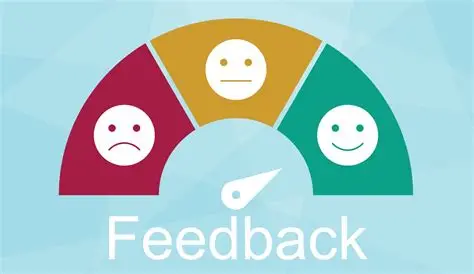
When it comes to truly understanding customer sentiment, open-ended feedback can be more revealing than numbers on a scale. Questions like “What do you like most about our product/service?” and “What do you like least?” invite users to share their personal experiences in their own words—giving you richer, more nuanced insights.
Unlike multiple-choice questions or ratings, open-ended responses offer context, emotion, and detail. They tell you why something is working or not, and often uncover ideas or pain points your team hadn’t considered.
Why Use Open-Ended Questions?
-
Get Honest, Unfiltered Feedback
Customers share what's top of mind—without being led in a certain direction. -
Discover the Unexpected
While structured surveys gather quantifiable data, open-ended questions reveal themes you didn’t know to ask about. -
Understand the “Why” Behind the Score
Someone may give a product 3 out of 5 stars, but their open-ended response will tell you what’s missing—and how to fix it. -
Build Empathy
Reading real customer stories helps your team understand the human impact of your design, service, or support decisions.
Examples of Open-Ended Feedback Questions
-
“What do you like most about our product/service?”
This helps identify strengths and unique value propositions you can double down on. -
“What do you like least about our product/service?”
This reveals weaknesses or sources of frustration that may be hurting satisfaction or retention. -
“What would make your experience even better?”
A future-focused prompt that invites constructive suggestions.
Tips for Making the Most of Open-Ended Feedback
-
Keep it simple: Ask one clear question at a time to avoid overwhelming respondents.
-
Make it optional: Not everyone wants to type, but those who do often provide golden insights.
-
Use natural language: Avoid jargon—ask questions the way you'd speak to a customer in person.
-
Analyze at scale: Use text analysis tools or categorize responses manually by theme to find trends.
Turning Words into Action
Once you’ve gathered responses:
-
Group them into themes (e.g., pricing, usability, support).
-
Identify patterns in praise and criticism.
-
Share insights with cross-functional teams.
-
Communicate updates driven by feedback to show customers their voices matter.
Conclusion
Open-ended feedback is a direct line to your customers’ thoughts and emotions. By asking what they like most or least, you gather not just opinions, but stories—ones that can shape better experiences and stronger relationships.
- Arts
- Business
- Computers
- Juegos
- Health
- Home
- Kids and Teens
- Money
- News
- Personal Development
- Recreation
- Regional
- Reference
- Science
- Shopping
- Society
- Sports
- Бизнес
- Деньги
- Дом
- Досуг
- Здоровье
- Игры
- Искусство
- Источники информации
- Компьютеры
- Личное развитие
- Наука
- Новости и СМИ
- Общество
- Покупки
- Спорт
- Страны и регионы
- World

 English
 Russian
 French
 Portuguese
 Deutsch
 Turkish
 Dutch
Dutch
 Italiano
 Arabic
 Romaian
 Portuguese (Brazil)
 Greek
Greek
