
How Long Should the Meeting Be?
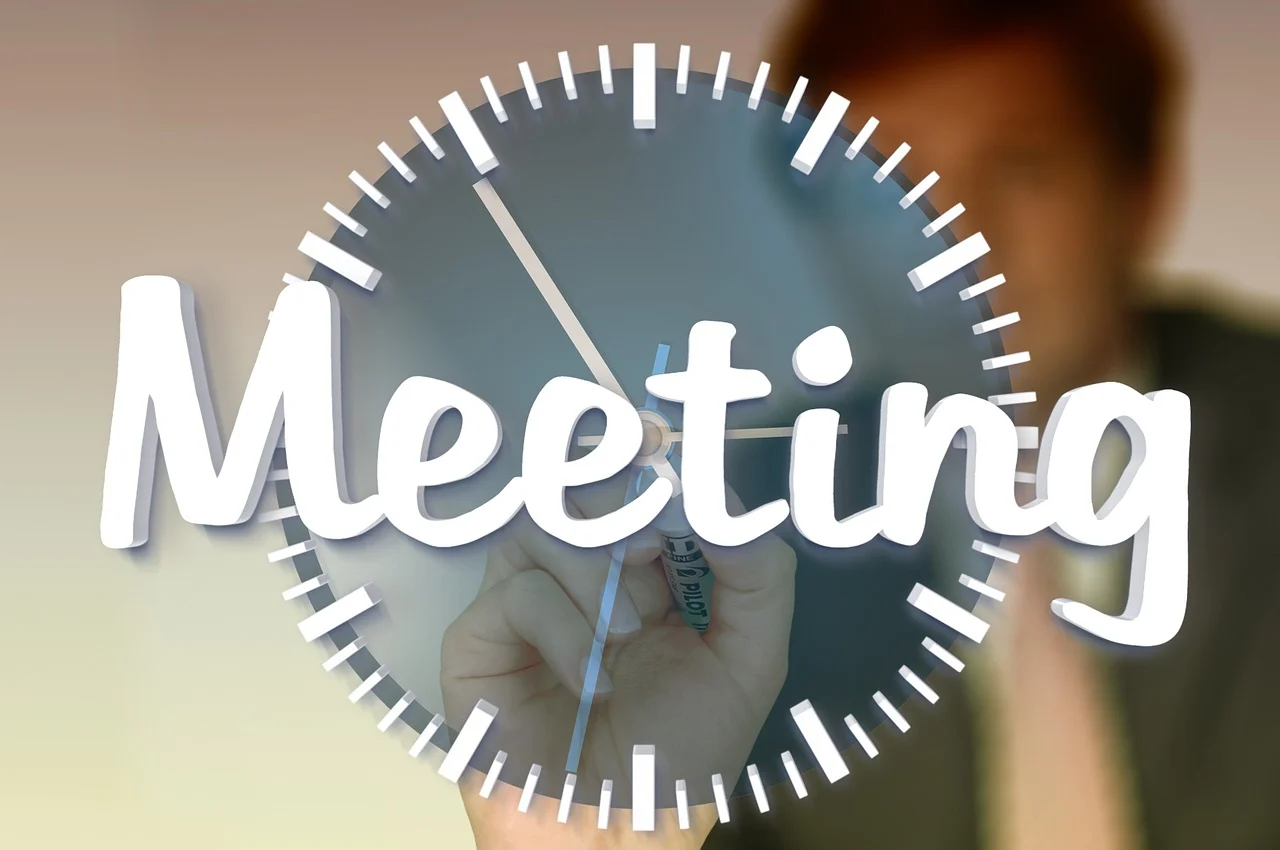
Finding the Optimal Duration for Productive Conversations
Meetings are essential for collaboration—but they’re also one of the most common sources of lost time at work. One question professionals often ask is: How long should a meeting actually be? The answer depends on the goal, format, and participants—but the golden rule remains: keep it as short as possible while still accomplishing the objective.
1. Start with Purpose, Not Time Block
Before setting a duration, define what the meeting is for:
-
Making a decision?
-
Aligning on status updates?
-
Solving a problem?
-
Brainstorming ideas?
Once you know the goal, estimate the least amount of time needed to achieve it. Don’t default to 30 or 60 minutes just because your calendar app does.
2. Default to the Shortest Possible Time
For many meetings, less is more. Use these common benchmarks:
-
15 minutes: Daily stand-ups, check-ins, quick decisions
-
30 minutes: Status updates, 1:1s, feedback sessions
-
45–60 minutes: Strategic planning, team retrospectives, complex problem-solving
-
90+ minutes: Workshops or multi-topic working sessions (only when necessary)
Try the “half rule”: estimate how long you think it will take—then schedule half that time. It often forces sharper focus and quicker decisions.
3. Use a Clear Agenda to Stay on Track
A tight agenda = a tight meeting. Share the agenda in advance with:
-
Clear topics
-
Time allocations per topic
-
Desired outcomes
When people know what to expect, they’re more likely to prepare—and more likely to stay on topic.
4. Try a “Speed Meeting” Format
Especially effective for recurring meetings, try:
-
A 15-minute limit
-
Time-boxed updates (e.g., 1 minute per person)
-
A rule: “If we need more time, we’ll schedule a follow-up”
This respects everyone’s calendar and forces clarity and conciseness.
5. Build in a Buffer, Not a Block
Instead of running a full hour, try 25 or 50-minute meetings. This leaves breathing room for note-taking, bio breaks, or travel between calls. Many calendar apps now offer “speedy meeting” options by default.
Bonus: Shorter meetings reduce fatigue and boost focus—especially in remote and hybrid environments.
6. Watch the Clock—and Wrap Up Early
Use a timer or have a designated timekeeper. End the meeting when:
-
The goal is achieved
-
Action items are clear
-
The group is out of meaningful content
Don’t stretch a meeting just to “use the time.” Ending early builds goodwill and trust.
7. Consider Asynchronous Alternatives
If a topic feels like it might take too long to hash out live, ask:
-
Can this be handled via email or a shared doc?
-
Can people contribute ideas ahead of time, then meet only to finalize?
Often, this reduces the need for long discussions and keeps meetings focused on decision-making, not background sharing.
Final Thoughts
The best meeting length is the one that gets the job done—no longer, no shorter. With thoughtful planning and a goal-oriented approach, many meetings can be cut down to 15–30 minutes or replaced entirely. Respect time, and people will respect your meetings.
- Arts
- Business
- Computers
- Παιχνίδια
- Health
- Κεντρική Σελίδα
- Kids and Teens
- Money
- News
- Personal Development
- Recreation
- Regional
- Reference
- Science
- Shopping
- Society
- Sports
- Бизнес
- Деньги
- Дом
- Досуг
- Здоровье
- Игры
- Искусство
- Источники информации
- Компьютеры
- Личное развитие
- Наука
- Новости и СМИ
- Общество
- Покупки
- Спорт
- Страны и регионы
- World

 English
 Russian
 French
 Spanish
 Portuguese
 Deutsch
 Turkish
 Dutch
Dutch
 Italiano
 Arabic
 Romaian
 Portuguese (Brazil)
