
What Is the Dress Code and Office Environment Like?
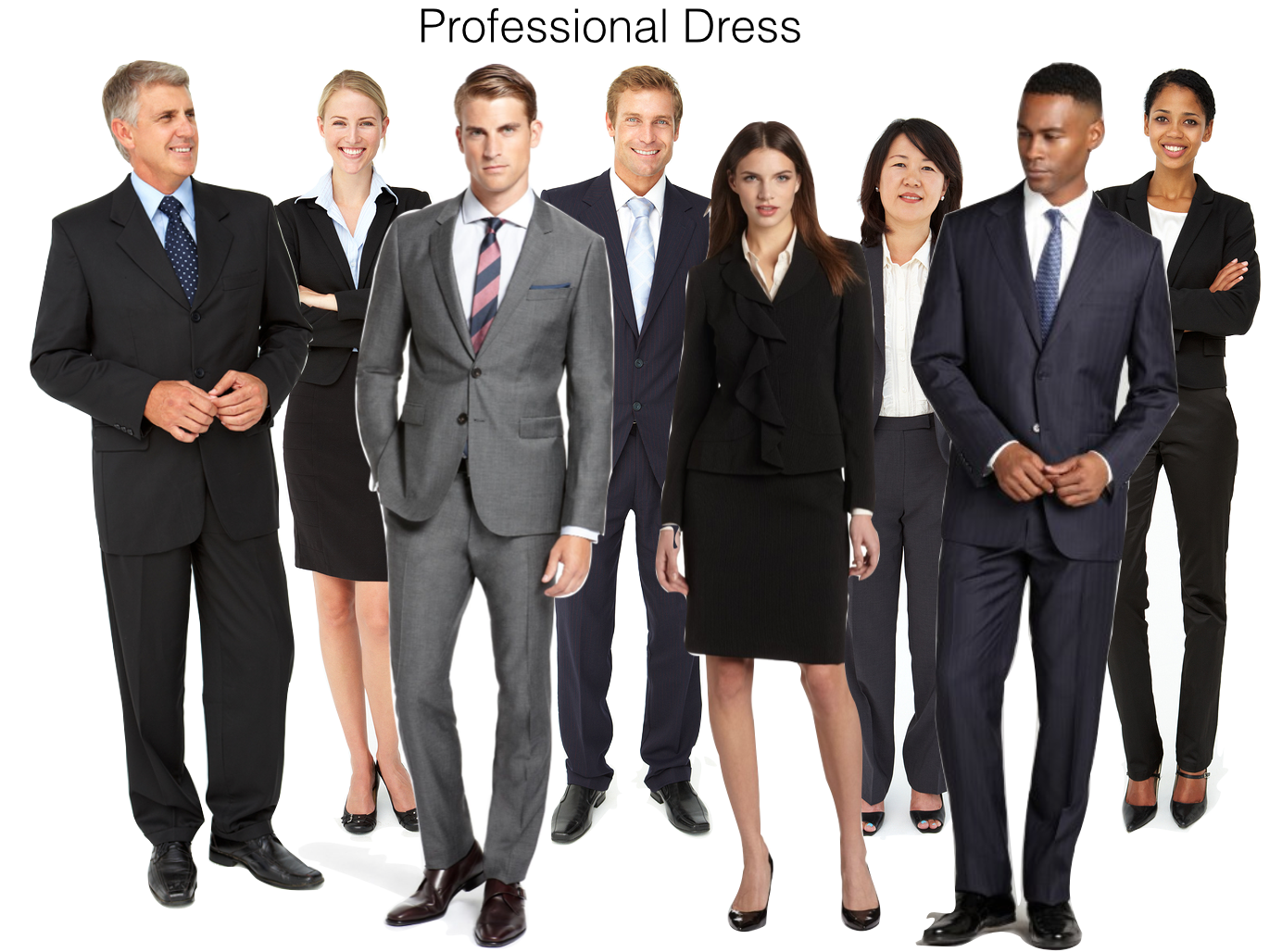
The dress code and office environment may seem like minor details, but they play a significant role in shaping company culture and employee comfort. These factors can influence everything from day-to-day morale to how employees perceive professionalism, inclusivity, and workplace expectations.
Understanding Dress Codes
Dress codes typically fall into one of several categories:
-
Formal/Business Professional: Suits, ties, dress shoes, and blazers. Common in finance, legal, or high-level corporate roles.
-
Business Casual: Collared shirts, blouses, slacks, or skirts. A relaxed but still professional appearance.
-
Casual: Jeans, sneakers, and more flexibility. Common in startups, tech, or creative industries.
-
Uniformed: Specific attire required for safety, branding, or identification.
-
Remote/Flexible: Guidelines for video calls or in-person appearances for remote teams.
Why Dress Code Matters
-
Reflects company values: A formal dress code may indicate a traditional structure, while casual dress may point to a laid-back, creative environment.
-
Impacts comfort and productivity: Employees are often more productive when comfortable.
-
Promotes inclusivity or exclusivity: Overly strict dress policies can unintentionally exclude some identities, body types, or cultural expressions.
-
Sets tone for client interaction: Companies with external-facing roles may enforce more polished appearances.
Navigating Office Environments
The physical or virtual office environment also says a lot about how a company operates. Consider:
-
Open-plan vs. private offices
-
Quiet zones vs. collaborative hubs
-
Natural lighting, décor, and cleanliness
-
Break rooms, wellness spaces, and amenities
-
Tech setup and ergonomics for remote work
-
Hybrid/flexible seating arrangements
A well-designed space can increase employee satisfaction, creativity, and collaboration. For remote-first companies, tools like virtual office platforms and strong digital communication practices substitute for physical space.
How to Learn About Dress Code and Environment
Ask during interviews:
-
“What’s the typical dress code here?”
-
“Can you describe the office layout or remote work setup?”
-
“How does the company create a comfortable and productive workspace?”
Also, browse the company’s social media for team photos, office tours, or behind-the-scenes clips to get a feel for the environment.
Evolving Norms
More companies are shifting toward:
-
Dress-for-your-day policies (flexible attire depending on meetings/tasks)
-
Inclusive guidelines that allow for cultural and personal expression
-
Hybrid workspaces that adapt to different working styles and needs
Ultimately, these changes reflect a deeper awareness of employee autonomy, comfort, and individuality.
Conclusion
A company’s dress code and office setup influence how people feel, perform, and interact. Whether casual or formal, in-office or remote, the best environments are those that support authenticity, comfort, and productivity without compromising professionalism.
- Arts
- Business
- Computers
- Jeux
- Health
- Domicile
- Kids and Teens
- Argent
- News
- Personal Development
- Recreation
- Regional
- Reference
- Science
- Shopping
- Society
- Sports
- Бизнес
- Деньги
- Дом
- Досуг
- Здоровье
- Игры
- Искусство
- Источники информации
- Компьютеры
- Личное развитие
- Наука
- Новости и СМИ
- Общество
- Покупки
- Спорт
- Страны и регионы
- World

 English
 Russian
 Spanish
 Portuguese
 Deutsch
 Turkish
 Dutch
Dutch
 Italiano
 Arabic
 Romaian
 Portuguese (Brazil)
 Greek
Greek