
What’s the Difference Between Recruitment and Selection?
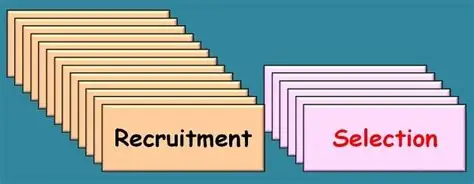
Although the terms recruitment and selection are often used interchangeably, they refer to two distinct phases of the hiring process. Understanding the difference helps both employers and job seekers navigate the hiring journey more effectively.
Recruitment: Attracting Candidates
Recruitment is the process of generating a pool of qualified candidates for a job opening. It focuses on attracting interest and encouraging people to apply.
Key aspects of recruitment include:
-
Writing and posting job descriptions
-
Advertising vacancies through various channels
-
Networking and sourcing candidates
-
Employer branding to appeal to talent
-
Managing applicant pipelines
Recruitment is essentially a marketing activity—its goal is to make people aware of the opportunity.
Selection: Choosing the Right Candidate
Selection comes after recruitment and focuses on evaluating applicants to determine the best fit for the role. It’s more of a decision-making process than a marketing one.
Key aspects of selection include:
-
Reviewing resumes and applications
-
Conducting interviews
-
Administering skills tests or assessments
-
Performing background and reference checks
-
Making the final hiring decision
Selection aims to narrow down the candidate pool and identify the person who best meets the job requirements.
Why the Distinction Matters
-
Different skills are required – Recruitment demands outreach and persuasion; selection requires critical evaluation.
-
Process optimization – Companies can measure and improve each stage separately.
-
Better hiring outcomes – Clear separation ensures a more structured and fair process.
Example
A company posting an opening for a software engineer might receive 200 applications through recruitment efforts. Selection begins when those applications are screened, interviews are conducted, and one candidate is offered the job.
Conclusion:
Recruitment is about finding candidates; selection is about choosing the right one. Both are essential to building a strong workforce and should be approached with clear strategies.
- Arts
- Business
- Computers
- Juegos
- Health
- Home
- Kids and Teens
- Money
- News
- Personal Development
- Recreation
- Regional
- Reference
- Science
- Shopping
- Society
- Sports
- Бизнес
- Деньги
- Дом
- Досуг
- Здоровье
- Игры
- Искусство
- Источники информации
- Компьютеры
- Личное развитие
- Наука
- Новости и СМИ
- Общество
- Покупки
- Спорт
- Страны и регионы
- World

 English
 Russian
 French
 Portuguese
 Deutsch
 Turkish
 Dutch
Dutch
 Italiano
 Arabic
 Romaian
 Portuguese (Brazil)
 Greek
Greek