
How Long Is the Recruiting Process and What’s the Timeline?
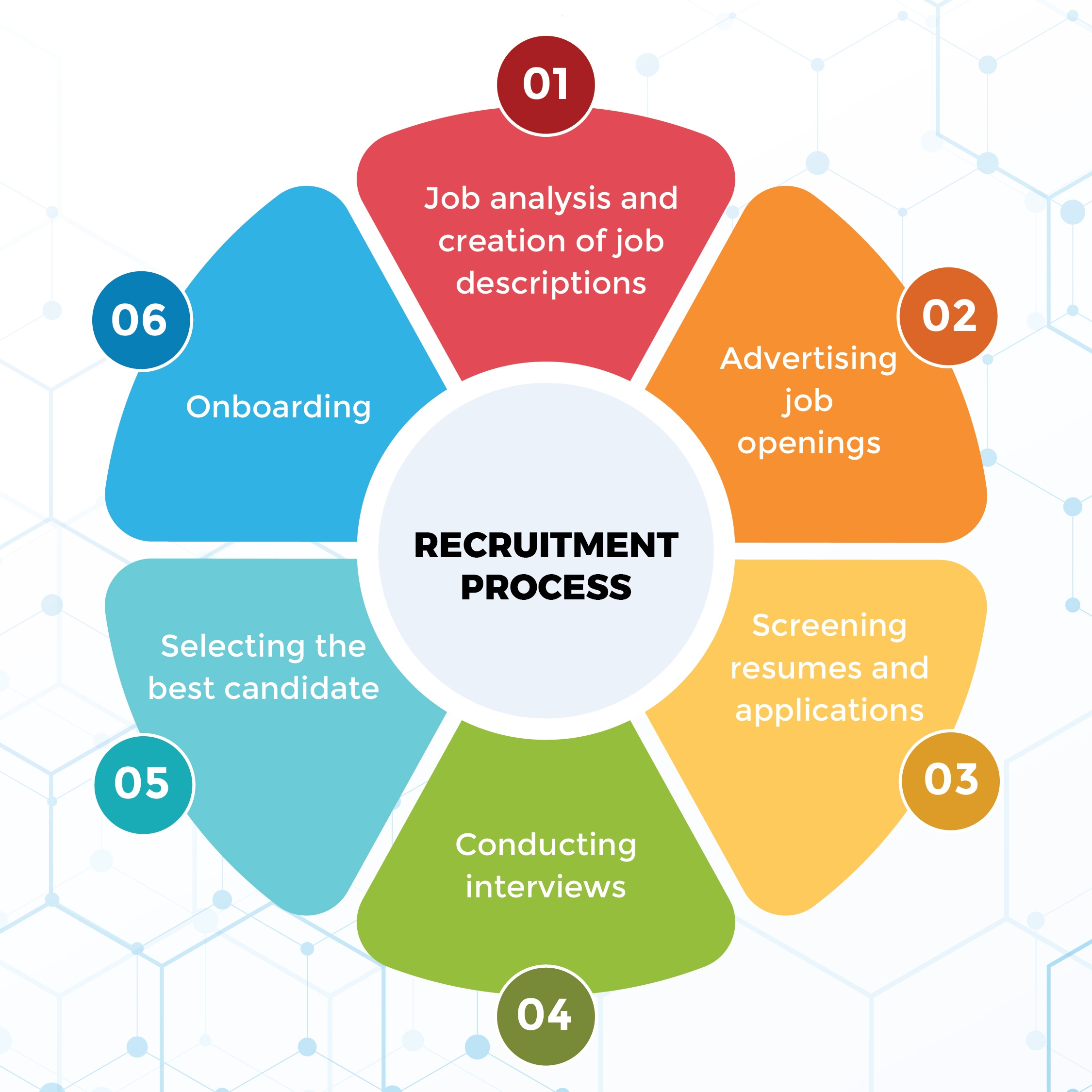
The length of a recruiting process can vary greatly depending on the role, industry, and organization. While some jobs are filled within a couple of weeks, others—especially senior or specialized positions—can take months. Understanding the typical timeline helps candidates set realistic expectations and plan accordingly.
Typical Stages in the Process
-
Application Submission – This is when your resume and cover letter are received by the employer or recruiter.
-
Initial Screening – Recruiters review applications to shortlist qualified candidates.
-
Phone or Video Interview – Often used to confirm qualifications and cultural fit.
-
Onsite or Final Interviews – May involve multiple stakeholders or technical assessments.
-
Reference and Background Checks – Ensures information provided is accurate.
-
Offer Stage – Formal job offer is extended and salary negotiations may occur.
-
Onboarding Preparation – New hire paperwork, equipment setup, and start date confirmation.
Average Timeframes by Role Type
-
Entry-Level Positions: 2–4 weeks
-
Mid-Level Professional Roles: 4–6 weeks
-
Executive or Highly Specialized Roles: 2–6 months
Factors That Can Affect Timelines
-
Number of candidates in the pipeline
-
Urgency of the hire
-
Internal decision-making speed
-
Complexity of the role
-
Number of interview rounds
-
Background check duration
How Candidates Can Stay Engaged
-
Follow up politely 7–10 days after an interview.
-
Keep applying to other opportunities while waiting.
-
Stay prepared for further interviews or assessments.
Example
A software developer role may take about 5 weeks:
-
Week 1: Application and screening
-
Week 2: Phone interview
-
Weeks 3–4: Onsite technical interviews
-
Week 5: Offer and negotiation
Conclusion:
Recruiting timelines vary widely, but knowing the general stages and factors involved helps candidates remain patient and proactive during the process.
- Arts
- Business
- Computers
- Juegos
- Health
- Home
- Kids and Teens
- Money
- News
- Personal Development
- Recreation
- Regional
- Reference
- Science
- Shopping
- Society
- Sports
- Бизнес
- Деньги
- Дом
- Досуг
- Здоровье
- Игры
- Искусство
- Источники информации
- Компьютеры
- Личное развитие
- Наука
- Новости и СМИ
- Общество
- Покупки
- Спорт
- Страны и регионы
- World

 English
 Russian
 French
 Portuguese
 Deutsch
 Turkish
 Dutch
Dutch
 Italiano
 Arabic
 Romaian
 Portuguese (Brazil)
 Greek
Greek