
What Leadership Traits Define Them?
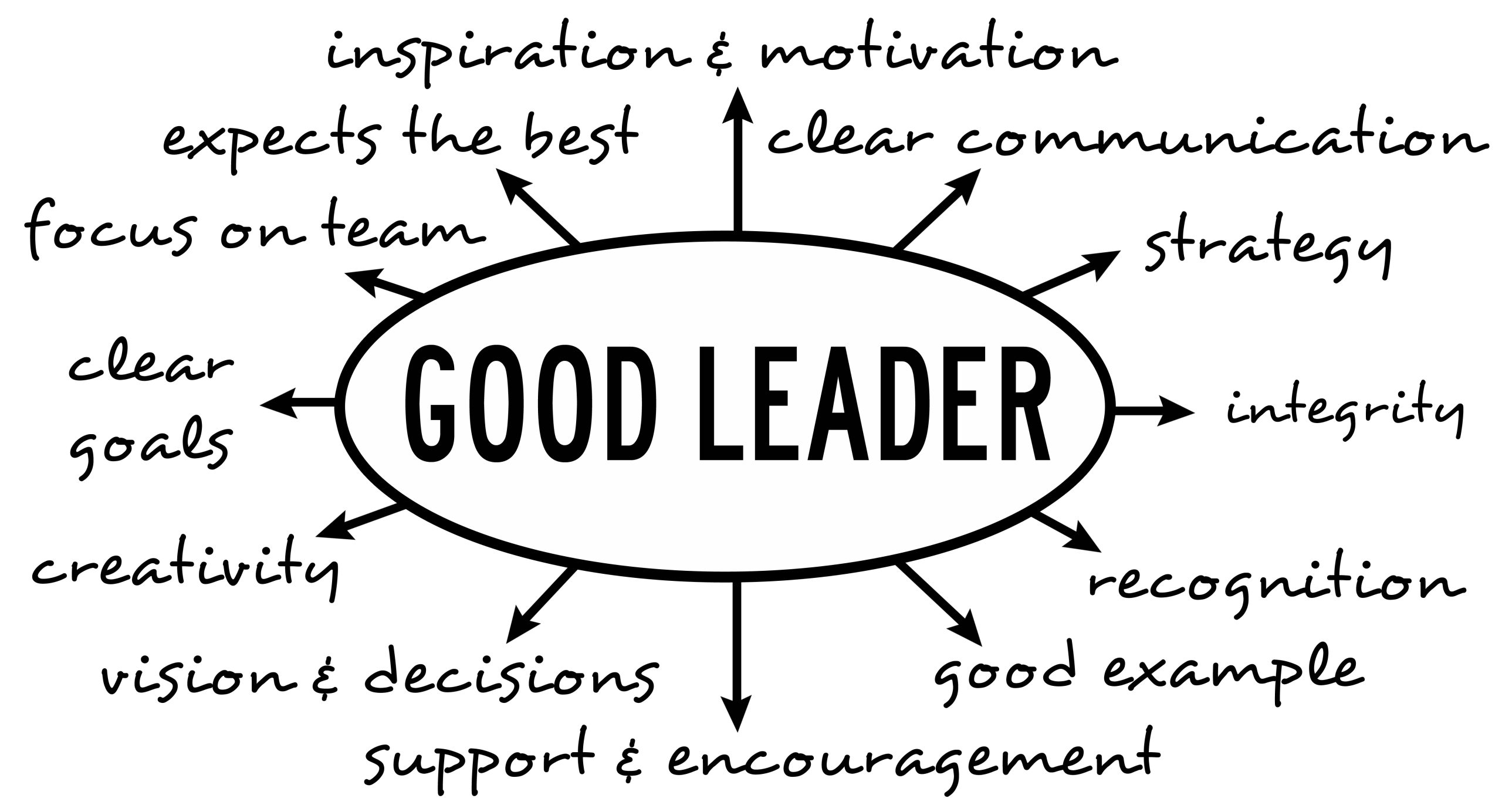
Leaders across industries often display unique personalities, but there are common traits that consistently stand out. Understanding these leadership qualities helps explain why certain figures rise to prominence while others struggle to gain traction. These traits go beyond charisma—they shape the way leaders inspire, make decisions, and sustain long-term influence.
One of the most universally admired leadership traits is vision. Great leaders know where they want to go, and they can articulate a compelling future that others are willing to follow. A visionary leader connects day-to-day operations to big-picture goals, ensuring their teams are motivated by purpose, not just tasks.
Integrity is another cornerstone. Without trust, leadership falls apart quickly. Leaders who act ethically, stay transparent, and remain consistent in their values inspire confidence in their employees and stakeholders. Integrity also reduces uncertainty during times of crisis, as followers know that decisions are rooted in fairness rather than short-term gain.
Resilience distinguishes leaders during tough times. Whether facing market downturns, organizational restructuring, or public scrutiny, resilience helps them remain steady and decisive. This trait encourages perseverance within the team as well, fostering a culture where setbacks are seen as learning opportunities rather than failures.
Communication skills are critical. Great leaders are not only articulate but also great listeners. They adapt their communication style to different audiences, ensuring their message resonates at every level of the organization. Clear communication aligns teams and minimizes misunderstandings, especially during complex projects or high-pressure periods.
Finally, empathy separates the transactional leaders from transformational ones. Empathetic leaders build strong connections with their employees by understanding their needs, challenges, and aspirations. This creates loyalty, engagement, and a sense of belonging in the workplace.
In summary, traits like vision, integrity, resilience, communication, and empathy are central to defining strong leaders. They don’t just emerge naturally—they are cultivated through self-awareness, experience, and continual learning.
- Arts
- Business
- Computers
- Spellen
- Health
- Home
- Kids and Teens
- Money
- News
- Personal Development
- Recreation
- Regional
- Reference
- Science
- Shopping
- Society
- Sports
- Бизнес
- Деньги
- Дом
- Досуг
- Здоровье
- Игры
- Искусство
- Источники информации
- Компьютеры
- Личное развитие
- Наука
- Новости и СМИ
- Общество
- Покупки
- Спорт
- Страны и регионы
- World

 English
 Russian
 French
 Spanish
 Portuguese
 Deutsch
 Turkish
 Italiano
 Arabic
 Romaian
 Portuguese (Brazil)
 Greek
Greek
