
What Are the Core Responsibilities of HR?
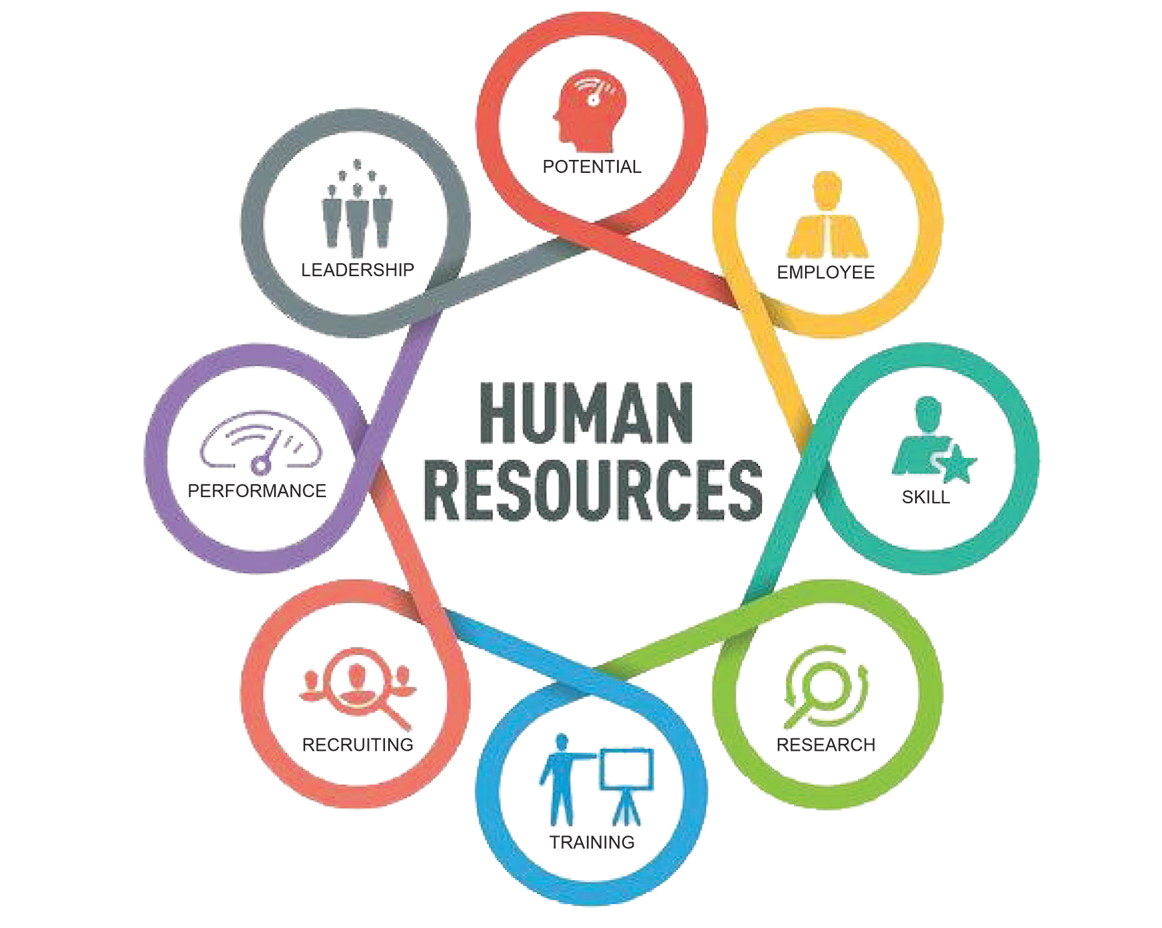
Human Resources (HR) is a fundamental part of any organization, responsible for managing the workforce and ensuring that both employees and the organization function effectively. While HR roles may vary depending on the size and type of company, there are several core responsibilities that remain consistent across all organizations.
These responsibilities cover the entire employee lifecycle—from hiring and onboarding to development, performance management, and retention. Understanding these core responsibilities helps clarify how HR contributes to organizational success and employee satisfaction.
This article explores the core responsibilities of HR in detail, highlighting their importance and impact on both employees and businesses.
Understanding Core HR Responsibilities
Core HR responsibilities refer to the essential duties that HR professionals must perform to manage people effectively within an organization. These responsibilities ensure that employees are:
-
Recruited properly
-
Trained effectively
-
Managed fairly
-
Supported continuously
At the same time, HR ensures that organizational goals are achieved efficiently.
1. Recruitment and Staffing
Overview
One of the most important responsibilities of HR is recruiting and staffing the organization with qualified employees.
Key Tasks
-
Identifying hiring needs
-
Creating job descriptions
-
Advertising job openings
-
Screening candidates
-
Conducting interviews
-
Selecting and hiring employees
Importance
Recruitment directly impacts:
-
Workforce quality
-
Productivity
-
Organizational success
Hiring the right people is the foundation of a strong organization.
2. Onboarding and Orientation
Overview
Once employees are hired, HR ensures they are properly introduced to the organization.
Key Tasks
-
Conducting orientation sessions
-
Explaining company policies
-
Providing necessary resources
-
Helping employees integrate into teams
Importance
Effective onboarding:
-
Improves employee confidence
-
Reduces turnover
-
Increases productivity
3. Training and Development
Overview
HR is responsible for developing employees’ skills and capabilities.
Key Tasks
-
Organizing training programs
-
Providing skill development opportunities
-
Supporting career growth
-
Developing leadership skills
Importance
-
Enhances employee performance
-
Prepares employees for future roles
-
Keeps the workforce competitive
4. Performance Management
Overview
HR monitors and evaluates employee performance.
Key Tasks
-
Setting performance goals
-
Conducting performance reviews
-
Providing feedback
-
Implementing improvement plans
Importance
-
Ensures accountability
-
Improves productivity
-
Aligns employee efforts with business goals
5. Compensation and Benefits Administration
Overview
HR manages employee compensation and benefits.
Key Tasks
-
Designing salary structures
-
Managing payroll
-
Offering bonuses and incentives
-
Administering benefits (insurance, leave, etc.)
Importance
-
Attracts and retains talent
-
Motivates employees
-
Ensures fairness and equity
6. Employee Relations
Overview
HR maintains healthy relationships between employees and management.
Key Tasks
-
Resolving workplace conflicts
-
Handling grievances
-
Promoting communication
-
Ensuring fair treatment
Importance
-
Creates a positive work environment
-
Reduces disputes
-
Improves teamwork
7. Ensuring Legal Compliance
Overview
HR ensures that the organization complies with labor laws and regulations.
Key Tasks
-
Maintaining employment records
-
Implementing workplace policies
-
Ensuring safety standards
-
Preventing discrimination
Importance
-
Protects the organization from legal risks
-
Safeguards employee rights
-
Maintains ethical standards
8. Employee Engagement and Motivation
Overview
HR works to keep employees motivated and engaged.
Key Tasks
-
Conducting surveys
-
Recognizing achievements
-
Organizing team-building activities
-
Encouraging feedback
Importance
-
Increases job satisfaction
-
Improves productivity
-
Reduces turnover
9. Workforce Planning
Overview
HR plans for current and future staffing needs.
Key Tasks
-
Forecasting workforce requirements
-
Identifying skill gaps
-
Planning recruitment strategies
Importance
-
Ensures the organization is prepared for growth
-
Prevents staffing shortages or surpluses
10. Organizational Development
Overview
HR focuses on improving the organization’s structure and processes.
Key Tasks
-
Managing change
-
Developing leadership
-
Improving team performance
Importance
-
Enhances organizational effectiveness
-
Supports long-term growth
11. Health, Safety, and Well-Being
Overview
HR ensures employees work in a safe and healthy environment.
Key Tasks
-
Implementing safety policies
-
Promoting mental health programs
-
Encouraging work-life balance
Importance
-
Reduces workplace risks
-
Improves employee well-being
-
Enhances productivity
12. Record Keeping and HR Administration
Overview
HR manages employee data and administrative processes.
Key Tasks
-
Maintaining employee records
-
Managing documentation
-
Handling payroll systems
Importance
-
Ensures accurate data
-
Supports compliance
-
Improves efficiency
Strategic Responsibilities of HR
In addition to operational duties, HR has strategic responsibilities:
1. Talent Management
Identifying and developing high-potential employees.
2. Succession Planning
Preparing future leaders for key roles.
3. Aligning HR with Business Strategy
Ensuring HR practices support organizational goals.
4. Driving Innovation
Encouraging creativity and continuous improvement.
HR’s Role in Employee Lifecycle Management
HR responsibilities cover every stage of the employee lifecycle:
-
Recruitment
-
Onboarding
-
Development
-
Performance management
-
Retention
-
Exit
This comprehensive approach ensures consistency and effectiveness.
Importance of Core HR Responsibilities
1. Improves Organizational Efficiency
HR ensures that employees are managed effectively.
2. Enhances Employee Satisfaction
Employees feel supported and valued.
3. Supports Business Growth
HR aligns workforce capabilities with business goals.
4. Reduces Risks
Compliance and proper management prevent legal and operational issues.
Challenges in Fulfilling HR Responsibilities
1. Managing Workforce Diversity
Handling employees from different backgrounds.
2. Retaining Talent
Keeping employees engaged in competitive markets.
3. Adapting to Technology
Implementing new HR tools and systems.
4. Balancing Costs
Providing benefits while controlling expenses.
5. Handling Workplace Conflicts
Resolving issues effectively and fairly.
Skills Required for HR Responsibilities
To perform these responsibilities effectively, HR professionals need:
1. Communication Skills
Clear interaction with employees and management.
2. Organizational Skills
Managing multiple tasks efficiently.
3. Problem-Solving Skills
Handling workplace challenges.
4. Analytical Skills
Using data for decision-making.
5. Emotional Intelligence
Understanding employee needs and concerns.
The Future of HR Responsibilities
HR responsibilities are evolving with changing work environments.
Key trends include:
-
Automation of routine tasks
-
Use of data analytics
-
Focus on employee experience
-
Managing remote and hybrid teams
-
Continuous learning and development
HR will continue to expand its strategic role in organizations.
Conclusion
The core responsibilities of HR are essential for managing employees and ensuring organizational success. From recruitment and training to performance management and employee engagement, HR plays a critical role in every aspect of the workplace.
By fulfilling these responsibilities effectively, HR helps create a productive, supportive, and compliant work environment. As organizations continue to evolve, the importance of HR responsibilities will only grow, making HR a key driver of business success.
- Arts
- Business
- Computers
- Spellen
- Health
- Home
- Kids and Teens
- Money
- News
- Personal Development
- Recreation
- Regional
- Reference
- Science
- Shopping
- Society
- Sports
- Бизнес
- Деньги
- Дом
- Досуг
- Здоровье
- Игры
- Искусство
- Источники информации
- Компьютеры
- Личное развитие
- Наука
- Новости и СМИ
- Общество
- Покупки
- Спорт
- Страны и регионы
- World

 English
 Russian
 French
 Spanish
 Portuguese
 Deutsch
 Turkish
 Italiano
 Arabic
 Romaian
 Portuguese (Brazil)
 Greek
Greek