
How to Ensure Stories Are Testable in Agile Development
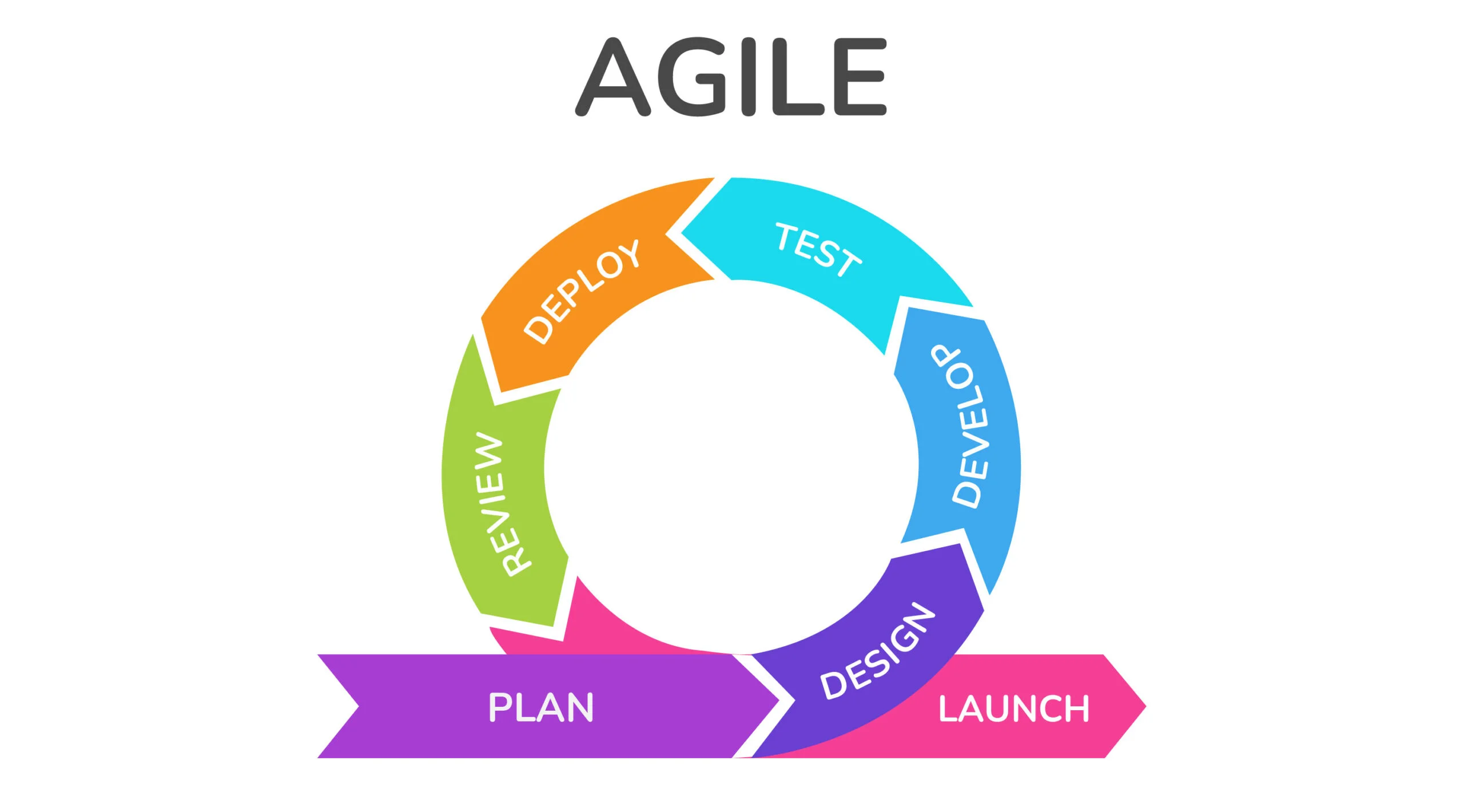
In Agile software development, user stories form the foundation of work planning and execution. A well-written story captures the needs of the user, provides context for the development team, and ensures that features deliver real value. However, one of the most critical characteristics of a good user story is that it must be testable.
If a story cannot be tested, the team cannot confirm whether it meets the acceptance criteria or delivers the intended functionality. Testability not only ensures quality but also improves collaboration, reduces ambiguity, and supports continuous delivery.
This article explores why testability is essential, what makes a story testable, and how Agile teams can guarantee that user stories meet this standard.
Why Is Testability Important?
Testability matters because it directly ties to the definition of done. For a story to be considered complete, it must meet all acceptance criteria and pass validation through testing. Without testability:
-
Ambiguity increases – Teams may interpret the requirement differently.
-
Bugs and rework rise – Lack of clarity leads to incomplete or incorrect implementation.
-
Stakeholders lose trust – Without proof of working functionality, stakeholders cannot rely on delivery.
-
Velocity suffers – Non-testable stories often cause delays because they need clarification mid-sprint.
In short, testability is not optional—it is the cornerstone of delivering reliable, high-quality software.
Characteristics of a Testable Story
To ensure a story is testable, it should align with the INVEST criteria commonly used in Agile:
-
Independent – The story can be developed and tested without being blocked by other stories.
-
Negotiable – It is flexible enough for discussion and refinement.
-
Valuable – It delivers measurable value to the user.
-
Estimable – The team can size it reasonably.
-
Small – It is manageable within a sprint.
-
Testable – The story has clear acceptance criteria that can be validated.
Among these, the last point—testable—is the one most teams struggle with. To be testable, a story must:
-
Include specific acceptance criteria.
-
Be measurable (e.g., success/failure can be observed).
-
Avoid vague or subjective language.
-
Be written from the perspective of user value, not just implementation details.
How to Make Stories Testable
1. Write Clear Acceptance Criteria
Acceptance criteria describe the conditions under which a story is considered complete. They transform vague requirements into measurable tests.
For example:
-
Story: As a user, I want to reset my password so that I can regain access if I forget it.
-
Acceptance criteria:
-
User receives a password reset email after submitting their request.
-
Reset link expires within 24 hours.
-
New password must meet security rules (e.g., at least 8 characters, 1 number, 1 special character).
-
These criteria make the story concrete and testable.
2. Use the “Given–When–Then” Format
The Behavior-Driven Development (BDD) format is especially useful for testable stories.
Example:
-
Given I am on the login page
-
When I click “Forgot Password” and enter my registered email
-
Then I should receive a password reset link within 5 minutes
This approach leaves no room for ambiguity and provides a blueprint for automated testing.
3. Break Down Large Stories
Stories that are too big or vague often become untestable. For example, “As a user, I want to manage my account” is not testable because it’s too broad.
Break it into smaller stories such as:
-
Update profile information
-
Change password
-
Delete account
Each smaller story is easier to test and verify.
4. Avoid Ambiguous Language
Phrases like “easy to use,” “fast,” or “intuitive” are not testable because they lack measurable standards.
Instead of:
-
As a user, I want a fast login process so that I save time.
Say:
-
As a user, I want the login process to load within 2 seconds so that I can quickly access my account.
The second version can be tested by measuring system performance.
5. Collaborate Across Roles
Ensuring testability isn’t just the job of the product owner or QA team. Developers, testers, and product owners should collaborate during backlog refinement sessions to clarify unclear requirements.
-
Product owners ensure user value is captured.
-
Developers assess feasibility.
-
Testers define test scenarios.
This three-way collaboration ensures stories are both valuable and verifiable.
6. Incorporate Non-Functional Requirements
Sometimes teams forget to make non-functional requirements testable. These include performance, security, usability, and accessibility.
Example:
-
As a visually impaired user, I want to use screen readers on the checkout page so that I can complete my purchase.
Acceptance criteria:
-
Screen readers can read all form fields.
-
Contrast ratio meets WCAG 2.1 guidelines.
Such criteria ensure accessibility stories are measurable and verifiable.
7. Use Prototypes or Mockups
Visual aids like wireframes or clickable prototypes reduce ambiguity and help teams define testable expectations. If a story says “Add a product to the cart,” showing a mockup clarifies the expected design and behavior.
8. Link Stories to Test Cases
Agile tools such as Jira or Azure DevOps allow teams to connect stories to test cases. This ensures traceability from requirement to validation.
Common Pitfalls in Testability
-
Writing stories as technical tasks – “Implement database schema” is not testable from a user’s perspective.
-
Skipping acceptance criteria – Without criteria, stories are left to interpretation.
-
Stories too large or vague – Broad requirements reduce testability.
-
Over-reliance on verbal agreements – Testable stories should be documented, not just assumed.
Benefits of Testable Stories
-
Improved quality – Testable stories lead to fewer defects.
-
Faster delivery – Clear requirements reduce back-and-forth clarification.
-
Better collaboration – Teams align around shared expectations.
-
Automated testing readiness – Structured stories are easier to automate.
-
Stakeholder confidence – Testable stories demonstrate measurable progress.
Conclusion
Ensuring that stories are testable is one of the most critical aspects of Agile development. Testability bridges the gap between user needs and technical execution, ensuring that features deliver measurable, verifiable value.
By writing clear acceptance criteria, using BDD formats, breaking down large stories, and avoiding ambiguity, teams can consistently deliver testable stories. Collaboration across roles and attention to non-functional requirements further strengthen this practice.
The bottom line is simple: a story that isn’t testable isn’t done.
- Arts
- Business
- Computers
- Oyunlar
- Health
- Home
- Kids and Teens
- Money
- News
- Personal Development
- Recreation
- Regional
- Reference
- Science
- Shopping
- Society
- Sports
- Бизнес
- Деньги
- Дом
- Досуг
- Здоровье
- Игры
- Искусство
- Источники информации
- Компьютеры
- Личное развитие
- Наука
- Новости и СМИ
- Общество
- Покупки
- Спорт
- Страны и регионы
- World

 English
 Russian
 French
 Spanish
 Portuguese
 Deutsch
 Dutch
Dutch
 Italiano
 Arabic
 Romaian
 Portuguese (Brazil)
 Greek
Greek