
What Factors Affect Pricing?
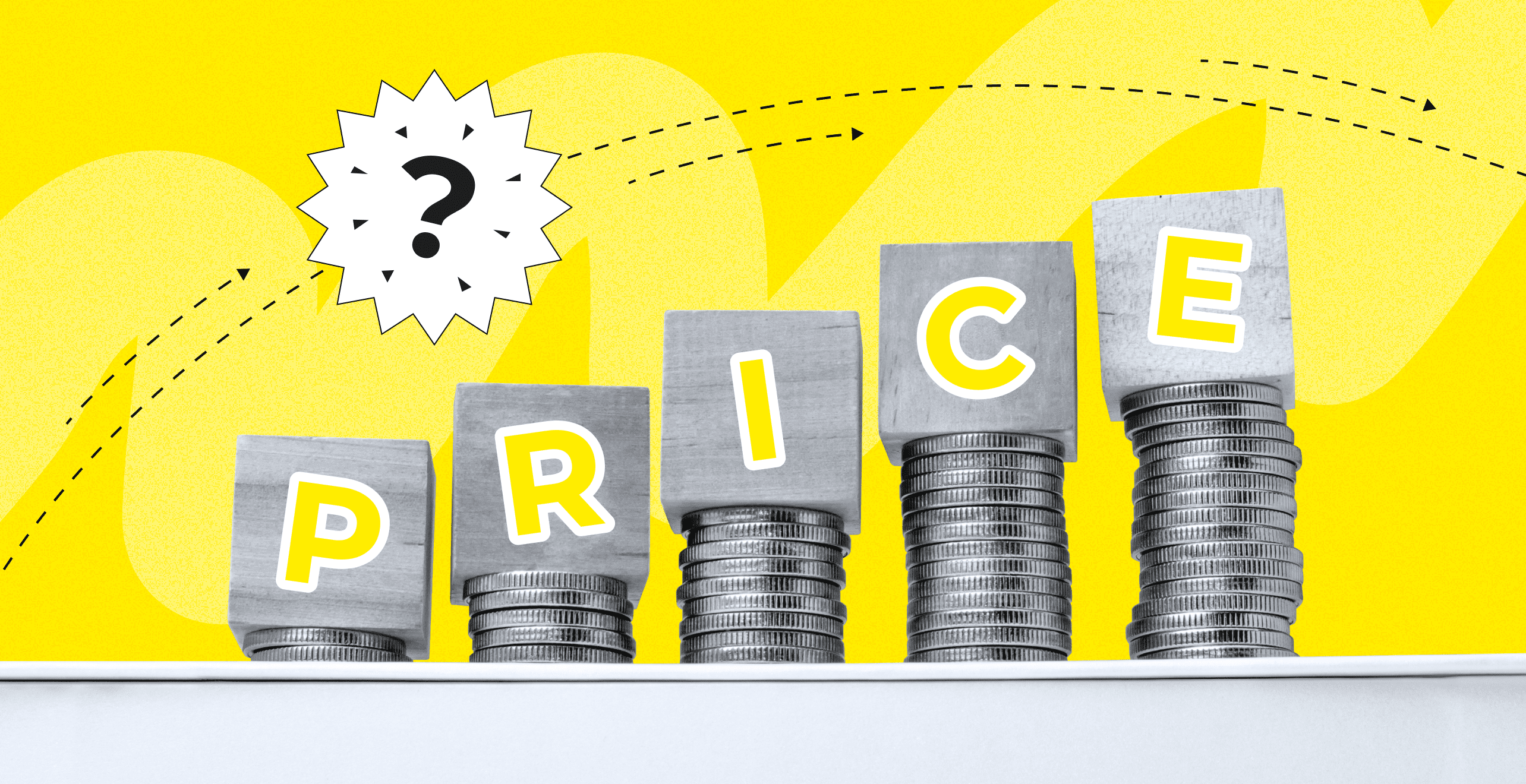
Pricing is one of the most critical decisions in business strategy. Set it too high, and customers may look elsewhere. Set it too low, and you risk eroding profitability. While pricing may appear straightforward, it is influenced by multiple factors ranging from internal cost structures to external market dynamics.
This article explores the key elements that affect pricing decisions, why they matter, and how businesses can navigate them to achieve both competitiveness and profitability.
1. Production and Operational Costs
At the foundation of every price decision lies cost. Companies must cover expenses before turning a profit, so understanding cost structures is essential.
-
Direct Costs: Raw materials, labor, and manufacturing expenses.
-
Indirect Costs: Marketing, distribution, administrative overhead.
-
Variable vs. Fixed Costs: Costs like rent remain steady, while costs like packaging fluctuate with production volume.
For example, a furniture manufacturer must factor in wood, screws, varnish, factory utilities, and salaries. If production costs total $200 per chair, pricing below this threshold is unsustainable in the long run.
2. Customer Demand and Willingness to Pay
Prices also hinge on how much customers are willing to pay. Demand elasticity plays a huge role:
-
Elastic Demand: Small price changes lead to significant shifts in buying behavior (e.g., fast fashion, airline tickets).
-
Inelastic Demand: Customers continue buying despite price increases (e.g., essential medicines, electricity).
Businesses often measure willingness to pay using surveys, A/B tests, or historical sales data. For example, Apple successfully commands premium pricing because customers perceive its products as highly valuable, despite cheaper alternatives.
3. Competitor Pricing and Market Positioning
No company operates in isolation. Competitor prices create benchmarks that influence customer expectations.
-
Price Matching: Retailers like Walmart use low-price guarantees to compete.
-
Price Leadership: Industry leaders often set the tone, and others follow (e.g., airlines adjusting fares in response to Delta or Emirates).
-
Differentiation Strategy: Some companies deliberately price higher to signal exclusivity (luxury brands like Rolex or Louis Vuitton).
Competitor analysis helps businesses decide whether to undercut, match, or exceed market prices.
4. Market Conditions and Economic Climate
Wider economic conditions significantly shape pricing decisions.
-
Inflation: Rising costs push businesses to increase prices.
-
Recessions: Companies may lower prices or offer promotions to retain demand.
-
Global Events: Supply chain disruptions, geopolitical conflicts, or pandemics can cause cost fluctuations and shifts in consumer behavior.
For instance, during the COVID-19 pandemic, demand surged for home office equipment, allowing sellers to maintain or raise prices despite global uncertainty.
5. Perceived Value and Brand Positioning
Pricing is not only about costs—it’s also about perception. Customers are often willing to pay more for brands they trust, admire, or associate with quality.
-
Luxury Premium: High prices create a sense of exclusivity (e.g., Gucci handbags).
-
Value Brands: Affordable pricing signals accessibility (e.g., IKEA furniture).
-
Middle-Market Strategy: Striking a balance between affordability and quality (e.g., Nike).
This perceived value is shaped by branding, marketing, reputation, and customer experience.
6. Regulations and Legal Considerations
Governments influence pricing through policies:
-
Price Controls: Some sectors (like utilities or healthcare) have regulated price caps.
-
Taxation: Sales tax, VAT, and import duties impact final consumer prices.
-
Anti-Competitive Laws: Rules prevent practices like price-fixing or predatory pricing.
Businesses must remain compliant to avoid legal penalties while adjusting strategies accordingly.
7. Distribution Channels and Intermediaries
How a product reaches customers also affects pricing.
-
Direct-to-Consumer (DTC): Brands selling directly (e.g., Warby Parker) often offer competitive prices by removing middlemen.
-
Retail and Wholesale: Involves markups at each distribution stage.
-
E-Commerce: Digital platforms reduce overhead but introduce platform fees (e.g., Amazon commissions).
Each channel brings unique cost structures and influences the final price tag.
8. Product Lifecycle Stage
A product’s stage in its lifecycle shapes pricing strategies:
-
Introduction Stage: High prices (skimming) to recover development costs or low prices (penetration) to attract customers.
-
Growth Stage: Competitive pricing as rivals enter the market.
-
Maturity Stage: Stable or promotional pricing to defend market share.
-
Decline Stage: Discounts to clear inventory before discontinuation.
For example, new smartphones often launch at premium prices, then drop gradually as newer models arrive.
9. Psychological Pricing Strategies
Human psychology influences how prices are perceived.
-
Charm Pricing: $9.99 feels cheaper than $10.
-
Prestige Pricing: Higher prices can imply superior quality.
-
Anchoring: Presenting a higher-priced item makes the next option appear more reasonable.
-
Bundling: Offering combined packages at a discount increases perceived value.
Retailers heavily rely on these strategies to nudge purchasing decisions.
10. Organizational Objectives and Strategy
Ultimately, prices must align with broader business goals.
-
Profit Maximization: Focus on high margins.
-
Market Share Growth: Set lower prices to attract volume.
-
Survival: In tough times, keep prices low enough to maintain cash flow.
-
Brand Building: Positioning as premium or budget-friendly influences pricing decisions.
For example, Tesla’s pricing strategy reflects both profitability goals and its mission to accelerate EV adoption.
Bringing It All Together
Pricing is a complex balancing act. A company must consider internal factors (costs, objectives, brand strategy) and external forces (competitors, economy, customer demand). Successful pricing strategies don’t rely on one factor alone—they integrate multiple considerations, adapting to changes in markets and customer expectations.
Businesses that actively analyze these factors are better positioned to set prices that attract customers, maintain profitability, and sustain long-term growth.
Final Thoughts
The factors influencing pricing extend far beyond basic cost-plus formulas. From customer psychology to global market conditions, pricing is a dynamic process that requires constant monitoring and adjustment.
Organizations that treat pricing as a strategic tool—not just a financial calculation—are more likely to thrive in competitive markets. By balancing production costs, demand, competition, brand value, and economic conditions, businesses can craft pricing strategies that drive both sales and profitability.
- Arts
- Business
- Computers
- Oyunlar
- Health
- Home
- Kids and Teens
- Money
- News
- Personal Development
- Recreation
- Regional
- Reference
- Science
- Shopping
- Society
- Sports
- Бизнес
- Деньги
- Дом
- Досуг
- Здоровье
- Игры
- Искусство
- Источники информации
- Компьютеры
- Личное развитие
- Наука
- Новости и СМИ
- Общество
- Покупки
- Спорт
- Страны и регионы
- World

 English
 Russian
 French
 Spanish
 Portuguese
 Deutsch
 Dutch
Dutch
 Italiano
 Arabic
 Romaian
 Portuguese (Brazil)
 Greek
Greek