
Interest Rates
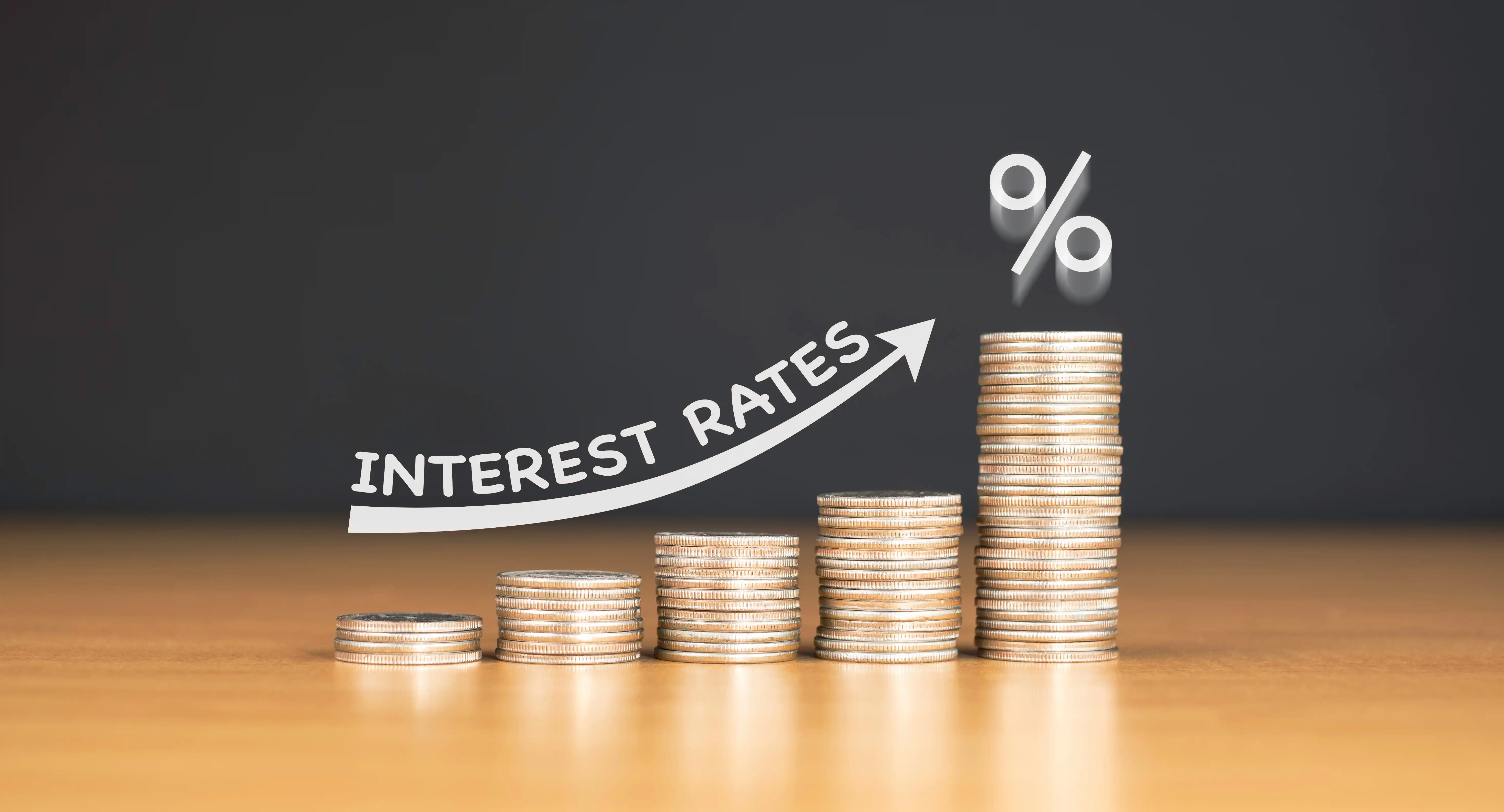
Interest rates are a fundamental aspect of the global economy, influencing everything from consumer borrowing to the policies of central banks. They represent the cost of borrowing money or the return on invested funds, expressed as a percentage. Understanding interest rates is essential for grasping how financial markets operate and how economic decisions are made.
Types of Interest Rates
There are several types of interest rates, each serving different purposes:
1. Nominal Interest Rate: The stated interest rate on a loan or investment, not adjusted for inflation.
2. Real Interest Rate: Adjusted for inflation, reflecting the true cost of borrowing and the real return to investors.
3. Federal Funds Rate: The interest rate at which banks lend reserves to each other overnight in the United States, serving as a benchmark for other rates.
4. Prime Rate: The interest rate commercial banks offer to their most creditworthy customers.
Factors Influencing Interest Rates
Interest rates are shaped by a variety of factors:
- Central Bank Policies: Central banks, such as the Federal Reserve in the U.S., set benchmark rates to influence economic activity.
- Inflation Expectations: Higher expected inflation often leads to higher interest rates to compensate lenders for decreased purchasing power.
- Economic Growth: Strong economic growth can lead to higher rates due to increased demand for loans.
- Global Market Conditions: International financial stability and policies impact domestic interest rates.
Impacts of Interest Rates
Changes in interest rates have widespread effects:
- Consumer Borrowing: Lower rates make loans more affordable, encouraging spending on homes, cars, and education.
- Business Investment: Reduced borrowing costs can stimulate business expansion and innovation.
- Currency Value: Higher interest rates can attract foreign investment, boosting the national currency.
- Savings: Higher rates may incentivize savings, affecting overall consumption.
Current Trends and Challenges
In recent years, many economies have experienced fluctuations in interest rates due to economic recovery efforts, inflation concerns, and global uncertainties. Central banks often face the challenge of balancing between stimulating growth and controlling inflation, leading to policy rate adjustments.
Conclusion
Interest rates are a vital component of economic stability and growth. They serve as a tool for policymakers and influence individual financial decisions. Keeping an eye on interest rate trends helps consumers, investors, and policymakers navigate the complex financial landscape effectively.
- Arts
- Business
- Computers
- Games
- Health
- Home
- Kids and Teens
- Money
- News
- Personal Development
- Recreation
- Regional
- Reference
- Science
- Shopping
- Society
- Sports
- Бизнес
- Деньги
- Дом
- Досуг
- Здоровье
- Игры
- Искусство
- Источники информации
- Компьютеры
- Личное развитие
- Наука
- Новости и СМИ
- Общество
- Покупки
- Спорт
- Страны и регионы
- World

 Russian
 French
 Spanish
 Portuguese
 Deutsch
 Turkish
 Dutch
Dutch
 Italiano
 Arabic
 Romaian
 Portuguese (Brazil)
 Greek
Greek
