
What is a Budget?
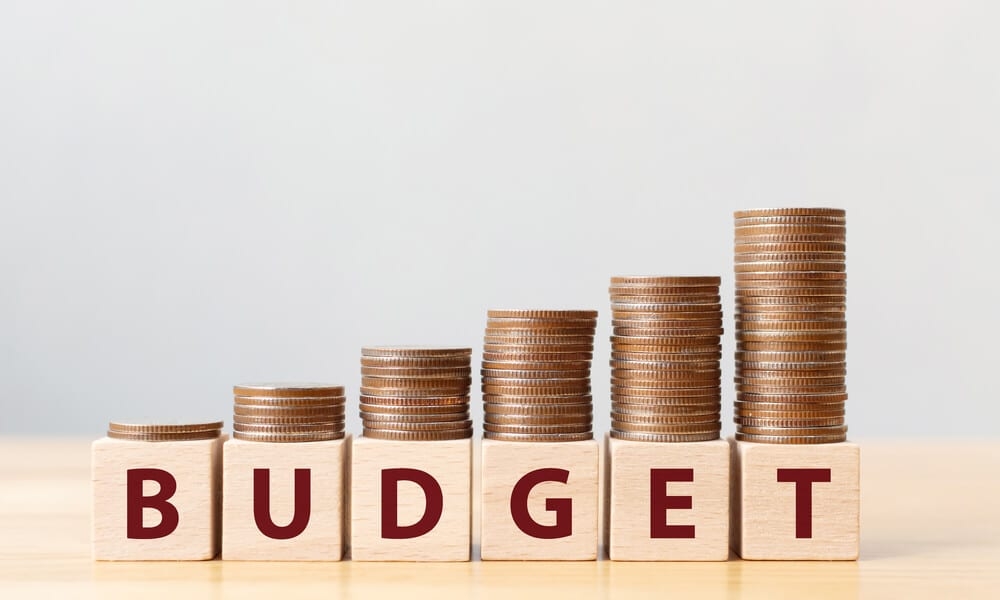
What is a Budget?
A budget is more than just numbers on a spreadsheet—it is a financial roadmap that helps individuals, families, and organizations plan, track, and manage their money effectively. At its core, a budget is a plan for how income will be earned, spent, and saved over a specific period, usually a month or a year. It is a critical tool for achieving financial stability and reaching long-term goals.
The Purpose of a Budget
The main purpose of a budget is to provide a clear picture of your financial situation. By comparing income against expenses, a budget helps you:
-
Control Spending: Prevent overspending by identifying where your money goes.
-
Prioritize Needs and Wants: Allocate funds for essentials like rent, utilities, and groceries before discretionary spending.
-
Plan for the Future: Save for emergencies, retirement, education, or major purchases.
-
Reduce Financial Stress: Knowing you have a plan in place gives peace of mind and confidence in your financial decisions.
Types of Budgets
Budgets can vary depending on individual or organizational needs. Common types include:
-
Personal Budget: Helps individuals manage household income and expenses.
-
Family Budget: Allows families to track shared expenses, plan for children’s education, and save for family goals.
-
Business Budget: Used by companies to manage operating costs, forecast revenue, and plan for growth.
-
Event or Project Budget: Used to plan expenses for a specific project or event, ensuring costs stay within limits.
Components of a Budget
A typical budget includes three main components:
-
Income: The money you earn from salaries, investments, or other sources.
-
Expenses: The money you spend, divided into fixed expenses (like rent or loan payments) and variable expenses (like groceries or entertainment).
-
Savings and Investments: Money set aside for emergencies, future goals, or investments to grow wealth over time.
How to Create a Budget
Creating a budget may seem daunting, but the process is straightforward:
-
Track Your Income and Expenses: Record all sources of income and every expense for a month.
-
Categorize Spending: Group expenses into categories like housing, food, transportation, and entertainment.
-
Set Limits and Goals: Decide how much you want to spend in each category and how much to save.
-
Monitor and Adjust: Review your budget regularly and make adjustments to stay on track.
Conclusion
A budget is a powerful tool for taking control of your finances. It allows you to make informed decisions, avoid debt, and work toward financial goals with confidence. Whether for personal, family, or business use, creating and maintaining a budget is a fundamental step toward financial health and stability.
Frequently Asked Questions (FAQ)
Q1: Do I need a budget if I earn a lot of money?
A: Yes! No matter your income level, a budget helps ensure you’re spending wisely, saving for future goals, and avoiding unnecessary debt.
Q2: How often should I review my budget?
A: Ideally, monthly. This helps you track progress, adjust for unexpected expenses, and stay on target with savings goals.
Q3: What is the difference between a budget and a spending plan?
A: A budget is a broader plan that includes income, expenses, and savings goals. A spending plan focuses more specifically on day-to-day spending decisions.
Q4: Can a budget help reduce debt?
A: Absolutely. By tracking expenses and prioritizing debt payments, a budget helps you allocate funds strategically to pay off loans faster.
Q5: What tools can I use to create a budget?
A: You can use spreadsheets, budgeting apps, or even pen and paper. Popular apps like Mint, YNAB (You Need A Budget), and PocketGuard make budgeting easier.
- Arts
- Business
- Computers
- Jogos
- Health
- Início
- Kids and Teens
- Money
- News
- Personal Development
- Recreation
- Regional
- Reference
- Science
- Shopping
- Society
- Sports
- Бизнес
- Деньги
- Дом
- Досуг
- Здоровье
- Игры
- Искусство
- Источники информации
- Компьютеры
- Личное развитие
- Наука
- Новости и СМИ
- Общество
- Покупки
- Спорт
- Страны и регионы
- World

 English
 Russian
 French
 Spanish
 Portuguese
 Deutsch
 Turkish
 Dutch
Dutch
 Italiano
 Arabic
 Romaian
 Greek
Greek
