
How to Increase Your Credit Score
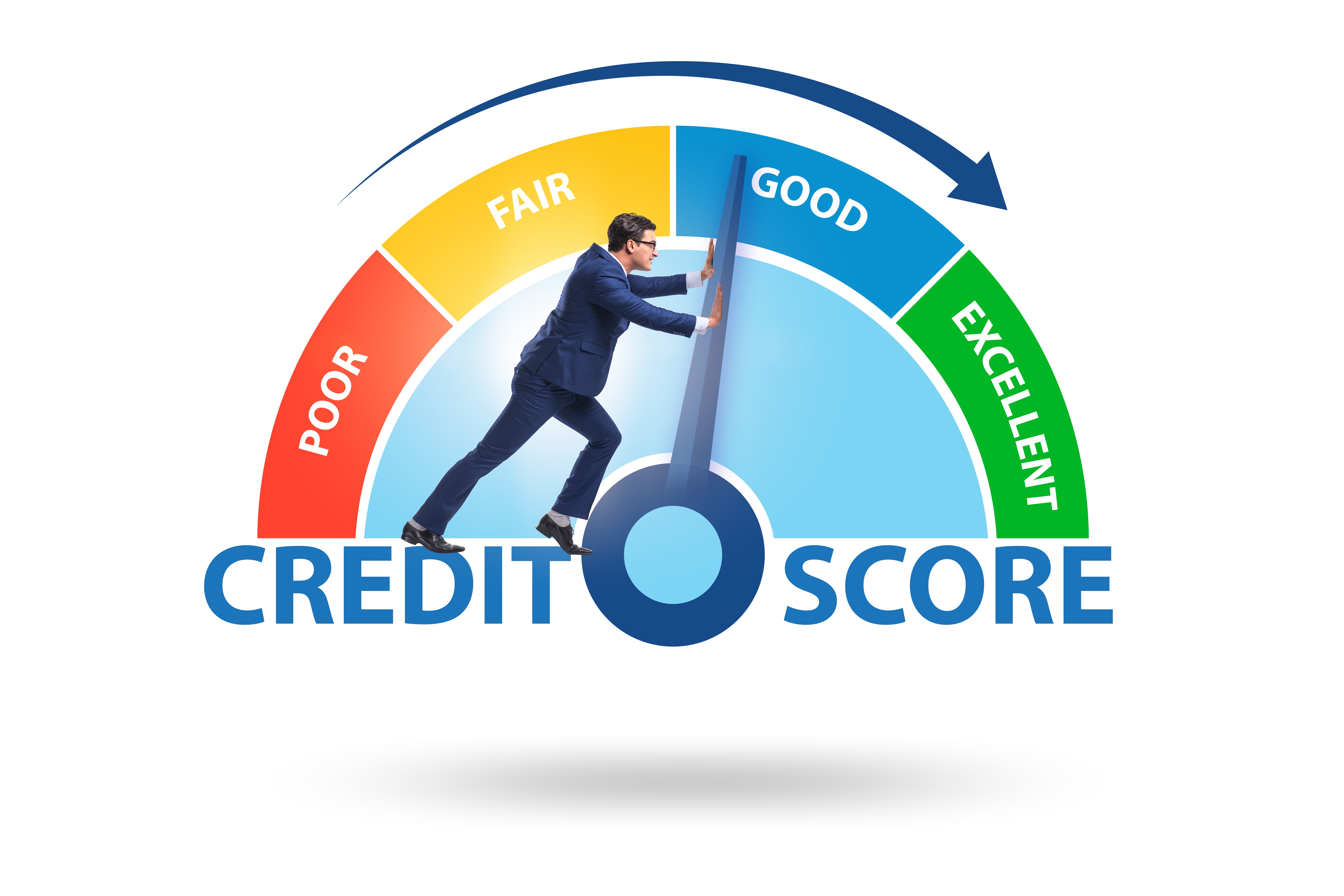
How to Increase Your Credit Score
A strong credit score can open doors to better loan rates, credit card offers, and even impact rental and employment opportunities. If your credit score isn’t where you’d like it to be, don’t worry—improvement is possible with consistent effort and smart financial habits. Here’s a guide on how to increase your credit score effectively.
1. Understand Your Current Credit Situation
Before making changes, it’s essential to know where you stand. Obtain a free copy of your credit report from all three major credit bureaus—Equifax, Experian, and TransUnion. Review it for errors such as incorrect balances, late payments, or accounts you don’t recognize. Disputing mistakes can sometimes quickly boost your score.
2. Pay Your Bills on Time
Payment history is the single largest factor affecting your credit score, accounting for about 35% of most scoring models. Late payments, even if just a few days late, can significantly impact your score. Set up automatic payments or reminders to ensure bills are paid on time.
3. Reduce Credit Card Balances
Your credit utilization ratio—the percentage of available credit you’re using—plays a crucial role in your score. Experts recommend keeping your utilization below 30%, and ideally closer to 10%. Paying down balances and avoiding maxing out cards can improve your score over time.
4. Avoid Opening Too Many New Accounts Quickly
Each new credit application generates a hard inquiry, which can temporarily lower your score. Multiple inquiries in a short period may signal risk to lenders. Apply for new credit only when necessary and space out applications.
5. Maintain a Mix of Credit Types
Having a variety of credit accounts—such as credit cards, auto loans, and mortgages—can positively influence your score. It shows lenders that you can responsibly manage different types of debt. However, don’t open accounts you don’t need just to diversify your credit mix.
6. Keep Old Accounts Open
The length of your credit history impacts your score. Older accounts help demonstrate long-term responsibility. Closing old, unused accounts can shorten your credit history and reduce your available credit, so think twice before closing accounts unless necessary.
7. Consider Credit-Building Tools
For those with thin or poor credit histories, tools like secured credit cards, credit-builder loans, or becoming an authorized user on a trusted person’s account can help. These methods allow you to build positive credit history without taking on unnecessary risk.
8. Monitor Your Progress
Regularly check your credit score and report to track improvements. Many financial institutions and credit card companies provide free score updates, which can help you see the impact of your efforts and adjust your strategy if needed.
Final Thoughts
Improving your credit score doesn’t happen overnight, but disciplined habits and informed choices can yield steady results. By understanding your current situation, managing debt responsibly, and building positive credit history, you can increase your score and enjoy greater financial flexibility.
FAQ: Frequently Asked Questions About Increasing Credit Score
Q1: How long does it take to improve a credit score?
A: It depends on your starting point and the changes you make. Minor improvements can take a few months, while significant increases may take a year or more of consistent financial habits.
Q2: Will checking my own credit report lower my score?
A: No. Checking your own credit is considered a “soft inquiry” and does not affect your score.
Q3: Can paying off a debt remove a late payment from my credit report?
A: Paying off the debt will stop further negative impact, but late payments already reported generally remain for up to seven years. You can dispute errors if any are inaccurate.
Q4: Is it better to pay off old debt or keep old accounts open?
A: Both are important. Paying down debt improves utilization, while keeping old accounts open helps your credit history length. Balancing both strategies is ideal.
Q5: Can I improve my score if I have bad credit history?
A: Yes. Using secured credit cards, credit-builder loans, and consistently making on-time payments can gradually rebuild your credit score.
Q6: How often should I check my credit score?
A: Checking monthly is usually sufficient to monitor progress and catch potential issues early.
- Arts
- Business
- Computers
- Jogos
- Health
- Início
- Kids and Teens
- Money
- News
- Personal Development
- Recreation
- Regional
- Reference
- Science
- Shopping
- Society
- Sports
- Бизнес
- Деньги
- Дом
- Досуг
- Здоровье
- Игры
- Искусство
- Источники информации
- Компьютеры
- Личное развитие
- Наука
- Новости и СМИ
- Общество
- Покупки
- Спорт
- Страны и регионы
- World

 English
 Russian
 French
 Spanish
 Deutsch
 Turkish
 Dutch
Dutch
 Italiano
 Arabic
 Romaian
 Portuguese (Brazil)
 Greek
Greek
