
What does loan-to-value mean?
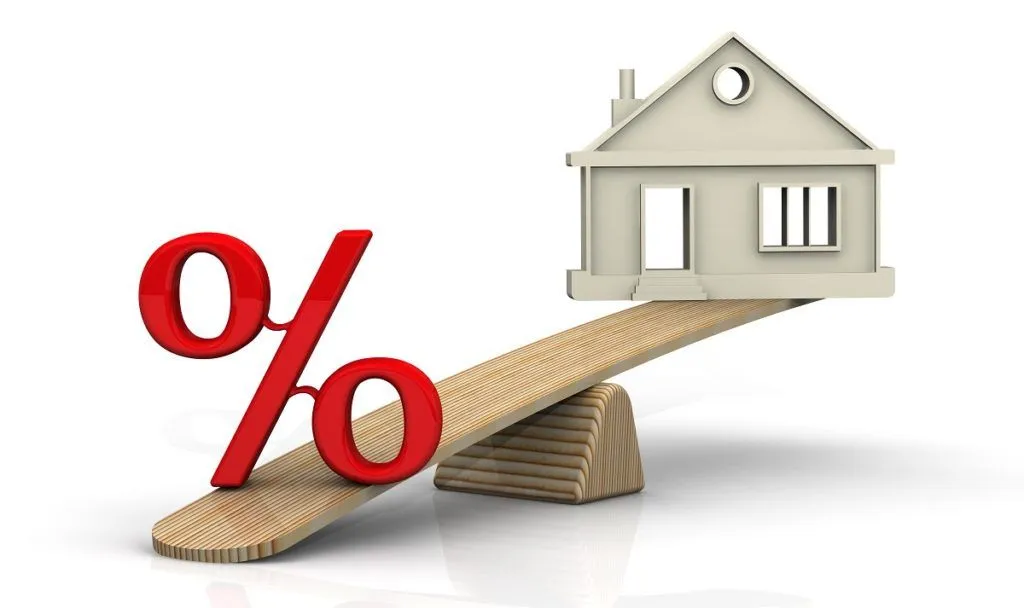
What does loan-to-value mean?
When it comes to borrowing money—especially for big purchases like a home or a car—you’ll often hear the term loan-to-value ratio, or LTV. It’s an important number that lenders use to measure risk and determine the terms of a loan. But what exactly does it mean, and why does it matter?
Defining Loan-to-Value
The loan-to-value ratio is a percentage that compares the size of a loan to the appraised value of the asset being purchased. It’s calculated using a simple formula:
LTV = (Loan Amount ÷ Appraised Value) × 100
For example, if you buy a house valued at $200,000 and borrow $160,000, the LTV is 80% ($160,000 ÷ $200,000 × 100).
Why LTV Matters
Lenders use the LTV ratio to gauge how much financial risk they’re taking. A lower LTV means the borrower has made a larger down payment, which reduces the lender’s risk. A higher LTV indicates that the borrower is financing more of the purchase price, which could increase the lender’s exposure if the borrower defaults.
-
Low LTV (e.g., 60–80%): Generally seen as safer. Borrowers may get better interest rates and loan terms.
-
High LTV (e.g., 90% or higher): Considered riskier. Lenders may charge higher interest rates, require private mortgage insurance (PMI) in the case of home loans, or even deny the loan.
Applications of LTV
-
Mortgages: LTV plays a crucial role in determining eligibility and interest rates. For conventional loans, an LTV of 80% or lower is often the threshold to avoid PMI.
-
Auto Loans: LTV can affect loan approval and whether gap insurance is recommended.
-
Refinancing: Lenders may limit refinancing options if the LTV is too high.
How to Improve Your LTV
Borrowers looking to lower their LTV can:
-
Make a larger down payment.
-
Choose a less expensive property or vehicle.
-
Improve their credit score to increase lender flexibility.
-
Pay down the loan balance before refinancing.
Bottom Line
Loan-to-value is more than just a formula—it’s a key factor that shapes loan decisions, interest rates, and even the long-term affordability of a purchase. Understanding your LTV can help you make smarter borrowing choices and position yourself for better financial outcomes.
- Arts
- Business
- Computers
- Oyunlar
- Health
- Home
- Kids and Teens
- Money
- News
- Personal Development
- Recreation
- Regional
- Reference
- Science
- Shopping
- Society
- Sports
- Бизнес
- Деньги
- Дом
- Досуг
- Здоровье
- Игры
- Искусство
- Источники информации
- Компьютеры
- Личное развитие
- Наука
- Новости и СМИ
- Общество
- Покупки
- Спорт
- Страны и регионы
- World

 English
 Russian
 French
 Spanish
 Portuguese
 Deutsch
 Dutch
Dutch
 Italiano
 Arabic
 Romaian
 Portuguese (Brazil)
 Greek
Greek