
What is Negative Equity?
What is Negative Equity?
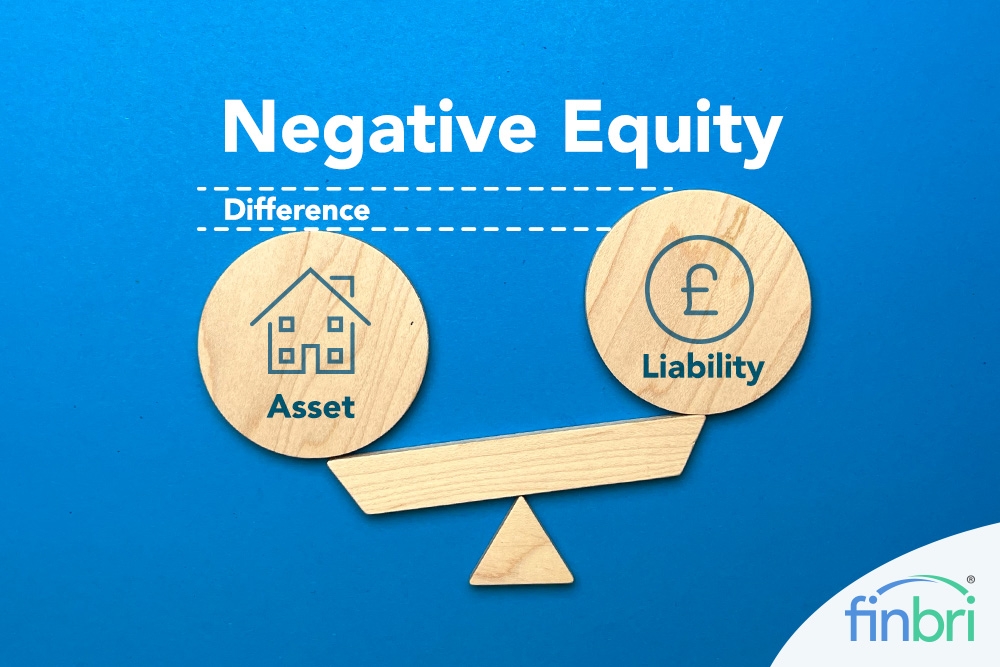
Negative equity is a financial situation where the value of an asset, most commonly a property, falls below the outstanding balance on the loan used to purchase it. In simpler terms, it means you owe more money on your mortgage or loan than the asset is currently worth.
How Negative Equity Happens
Negative equity typically arises when property values drop due to market fluctuations, leaving homeowners with mortgages that exceed their property’s market value. Common causes include:
-
Falling housing prices: A sudden downturn in the housing market can quickly erode property values.
-
Low deposit purchases: Borrowers who put down a small deposit are more vulnerable if prices fall, as they start with less equity.
-
High-interest or risky loans: Some loan structures can make repayment slower, leaving borrowers exposed to market changes.
-
Economic downturns: Widespread financial uncertainty can impact property values and increase the likelihood of negative equity.
Why It Matters
Being in negative equity can create challenges, such as:
-
Difficulty selling: Homeowners may need to cover the shortfall between the selling price and the mortgage owed.
-
Limited refinancing options: Lenders may be reluctant to refinance loans if the asset doesn’t cover the debt.
-
Financial strain: Negative equity can cause stress for borrowers, especially if they need to move or face unexpected financial hardship.
Can Negative Equity Be Resolved?
While challenging, negative equity isn’t always permanent. Possible solutions include:
-
Waiting it out: If property prices recover over time, the equity gap may close naturally.
-
Making overpayments: Reducing the mortgage balance faster can help regain equity sooner.
-
Negotiating with lenders: In some cases, lenders may offer restructuring options.
-
Government or assistance schemes: In certain regions, programs exist to support homeowners in negative equity situations.
Key Takeaway
Negative equity occurs when the debt on an asset is greater than its market value. Although it can be stressful, it doesn’t necessarily mean financial ruin. With patience, careful planning, and proactive financial management, it’s possible to navigate through and eventually restore positive equity.
- Arts
- Business
- Computers
- Juegos
- Health
- Home
- Kids and Teens
- Money
- News
- Personal Development
- Recreation
- Regional
- Reference
- Science
- Shopping
- Society
- Sports
- Бизнес
- Деньги
- Дом
- Досуг
- Здоровье
- Игры
- Искусство
- Источники информации
- Компьютеры
- Личное развитие
- Наука
- Новости и СМИ
- Общество
- Покупки
- Спорт
- Страны и регионы
- World

 English
 Russian
 French
 Portuguese
 Deutsch
 Turkish
 Dutch
Dutch
 Italiano
 Arabic
 Romaian
 Portuguese (Brazil)
 Greek
Greek