
Are All Bank Accounts Insured by the FDIC?
Are All Bank Accounts Insured by the FDIC?
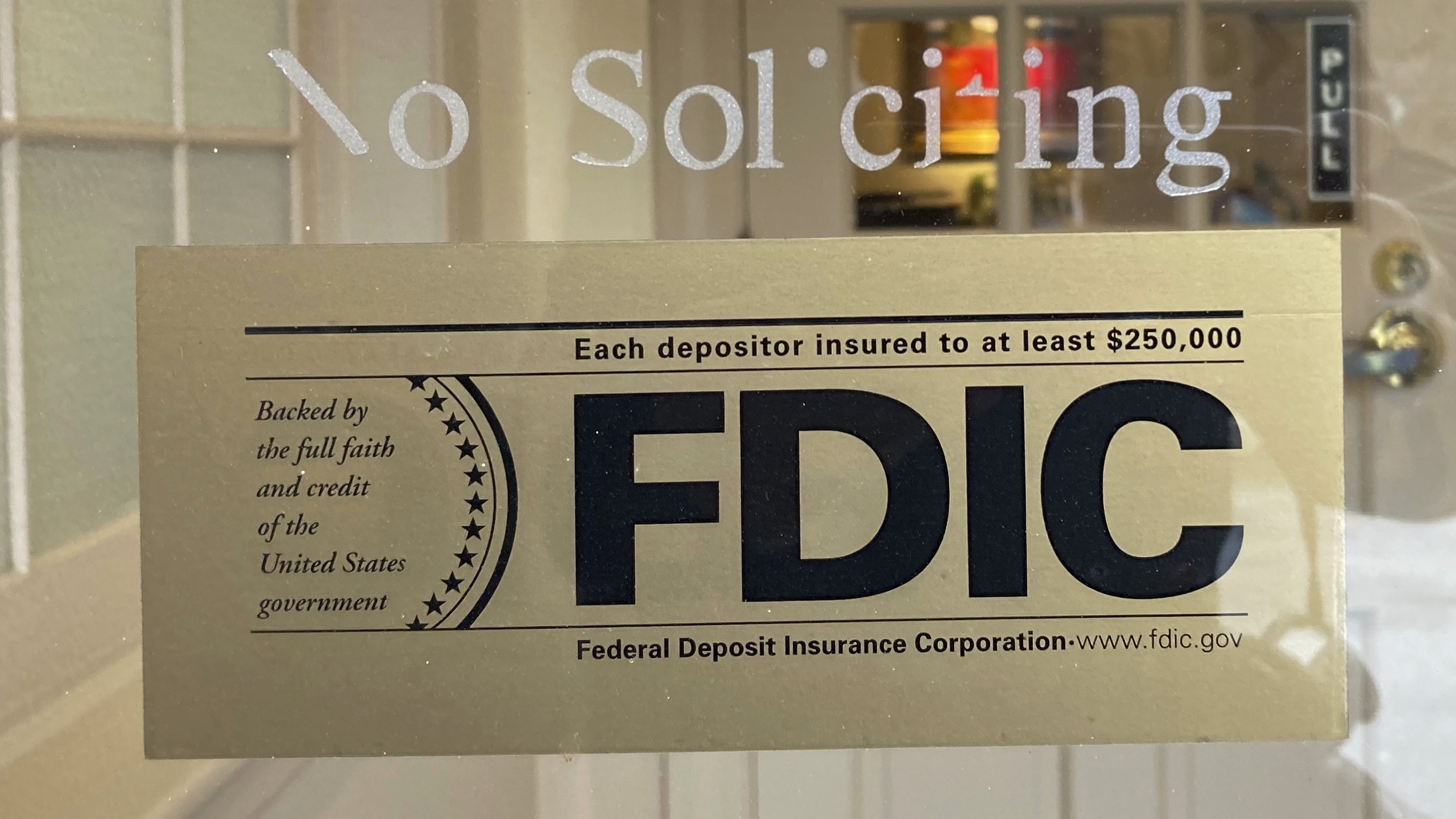
When people deposit their money into a bank, one of their main concerns is safety. The Federal Deposit Insurance Corporation (FDIC), a U.S. government agency created in 1933, plays a crucial role in protecting depositors. FDIC insurance guarantees that if a bank fails, depositors won’t lose all their money, up to certain limits. But many people wonder: are all bank accounts insured by the FDIC? The short answer is no.
FDIC insurance provides coverage for specific types of accounts at participating banks. This includes checking accounts, savings accounts, money market deposit accounts (MMDAs), certificates of deposit (CDs), and negotiable orders of withdrawal (NOW) accounts. These are considered “deposit accounts,” meaning funds are placed directly into the bank and are insured up to the legal limit. As of 2025, the coverage limit is $250,000 per depositor, per insured bank, for each account ownership category.
This $250,000 insurance limit is designed to reassure consumers. For example, if you have $200,000 in a checking account and $50,000 in a savings account at the same bank, you are fully insured, since the total is within the coverage cap. If your balance exceeds $250,000, however, the excess amount may not be protected if kept under the same ownership category at the same bank. This makes it important for customers with larger deposits to understand how to maximize insurance coverage.
Ownership categories matter because they determine how much insurance protection a depositor can access. Common categories include single accounts, joint accounts, retirement accounts, and trust accounts. Each is insured separately. For instance, two people who jointly own a $500,000 account at the same bank are fully insured because each co-owner is covered up to $250,000. This system allows families and businesses to expand their insured limits by structuring accounts strategically.
Despite this protection, not all financial products offered at banks fall under FDIC coverage. Investments such as stocks, bonds, mutual funds, money market funds (not to be confused with money market deposit accounts), cryptocurrency holdings, and U.S. Treasury securities are excluded. Even if purchased through a bank, these instruments involve market risk, and FDIC insurance does not shield investors from potential losses. This distinction is critical for consumers who may assume that any product offered by a bank carries the same guarantee.
It’s also important to note that FDIC coverage applies only to banks that are FDIC members. Most banks in the United States participate, but not all financial institutions fall under its umbrella. For example, credit unions are insured instead by the National Credit Union Administration (NCUA), which provides similar protection. Consumers should always check whether their financial institution is FDIC- or NCUA-insured to ensure their deposits are safe.
Online banks, which have grown in popularity, also typically carry FDIC insurance if they are chartered and regulated as FDIC-insured banks. However, customers should verify this before opening an account, especially with newer or lesser-known institutions. This verification can be done easily by searching the FDIC’s official “BankFind” tool online.
The FDIC also provides protection in the event of a bank failure. If an insured bank closes, the FDIC either arranges for another institution to take over the deposits or issues direct reimbursement to customers, typically within a few business days. This rapid response is one of the agency’s defining features and is a primary reason why consumer confidence in the U.S. banking system remains strong.
However, depositors should remember that FDIC insurance is not unlimited. People with significant wealth need to plan carefully to ensure their funds remain protected. Options include spreading deposits across multiple FDIC-insured banks, utilizing different ownership categories, or using sweep programs offered by some institutions that allocate funds across multiple partner banks for extended coverage.
In conclusion, while FDIC insurance is a powerful safeguard, it does not apply to every financial product or account. It protects only specific types of bank deposits, and only up to the insured limits. Consumers should be proactive in confirming that their accounts are covered and understand which products fall outside FDIC’s scope. By being aware of these limitations, individuals and businesses can better protect their money and make smarter financial decisions.
- Arts
- Business
- Computers
- Jocuri
- Health
- Home
- Kids and Teens
- Money
- News
- Personal Development
- Recreation
- Regional
- Reference
- Science
- Shopping
- Society
- Sports
- Бизнес
- Деньги
- Дом
- Досуг
- Здоровье
- Игры
- Искусство
- Источники информации
- Компьютеры
- Личное развитие
- Наука
- Новости и СМИ
- Общество
- Покупки
- Спорт
- Страны и регионы
- World

 English
 Russian
 French
 Spanish
 Portuguese
 Deutsch
 Turkish
 Dutch
Dutch
 Italiano
 Arabic
 Portuguese (Brazil)
 Greek
Greek
