
What is the Difference Between a Debit Card and a Credit Card?
What is the Difference Between a Debit Card and a Credit Card?
When it comes to managing money, debit cards and credit cards are two of the most commonly used financial tools. While they may look almost identical and are often accepted in the same places, they function very differently. Understanding how each one works is essential for making smart financial decisions and avoiding unnecessary debt.
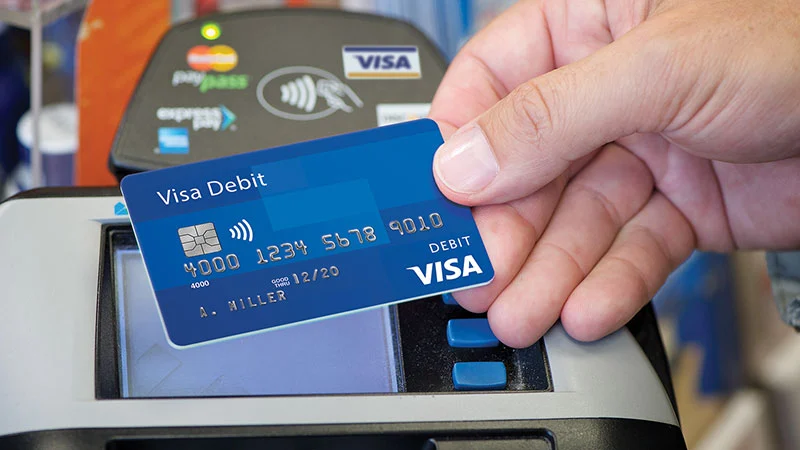
A debit card is directly linked to your checking account. Whenever you make a purchase using a debit card, the amount is deducted straight from the balance available in your account. This means you can only spend the money you already have, making it a tool for staying within your financial limits. Debit cards are widely accepted for everyday purchases, ATM withdrawals, and even online shopping.
On the other hand, a credit card allows you to borrow money from a financial institution up to a pre-approved credit limit. Instead of using your own funds immediately, the bank covers the cost on your behalf. At the end of each billing cycle, you receive a statement showing how much you owe. You can either pay the full balance to avoid interest or make a minimum payment and carry the rest as debt, which will accumulate interest charges.
The fundamental difference lies in spending versus borrowing. Debit cards let you spend what you already own, ensuring you don’t fall into debt as long as you monitor your balance. Credit cards, meanwhile, give you the flexibility to borrow money, but they come with the risk of interest charges and potential debt accumulation if payments are not managed carefully.
Debit cards are a practical choice for individuals who want to stick to a budget. Because they draw directly from your account, they help prevent overspending. There is no monthly bill to worry about, and you won’t have to deal with interest charges. However, debit cards usually do not offer the same rewards, perks, or protections that credit cards do.
Credit cards, in contrast, often come with added benefits such as cashback rewards, travel points, purchase protection, and extended warranties. They also play a crucial role in building your credit score, which is important for future financial needs like applying for a mortgage or car loan. Responsible credit card use—making payments on time and keeping balances low—can strengthen your financial profile.
However, with credit cards comes the temptation to spend beyond your means. If you rely too heavily on credit and fail to pay off your balance, interest charges can quickly add up, creating a cycle of debt. This is why financial experts often stress the importance of using credit cards wisely and paying off balances in full whenever possible.
Debit cards are also generally safer for those who are not yet confident in managing debt. Since they are tied to your own funds, there is no risk of owing more than you can repay. But one limitation is that they do not contribute to building your credit history, which may be a drawback if you’re planning for larger financial goals in the future.
In summary, debit cards help you control spending by limiting purchases to the money in your account, while credit cards provide access to borrowed funds with the option to pay later, often with added benefits but also the risk of debt. Choosing between them depends on your financial habits, goals, and discipline. Many people find that using both wisely—debit for everyday expenses and credit for larger purchases or rewards—strikes the best balance.
Ultimately, the difference between a debit card and a credit card comes down to how you want to manage your money: spending what you already have or borrowing with the responsibility of repayment. By understanding these distinctions, you can make informed choices that support your financial well-being.
- Arts
- Business
- Computers
- Giochi
- Health
- Home
- Kids and Teens
- Money
- News
- Personal Development
- Recreation
- Regional
- Reference
- Science
- Shopping
- Society
- Sports
- Бизнес
- Деньги
- Дом
- Досуг
- Здоровье
- Игры
- Искусство
- Источники информации
- Компьютеры
- Личное развитие
- Наука
- Новости и СМИ
- Общество
- Покупки
- Спорт
- Страны и регионы
- World

 English
 Russian
 French
 Spanish
 Portuguese
 Deutsch
 Turkish
 Dutch
Dutch
 Arabic
 Romaian
 Portuguese (Brazil)
 Greek
Greek
