
How Do Bonuses Work?
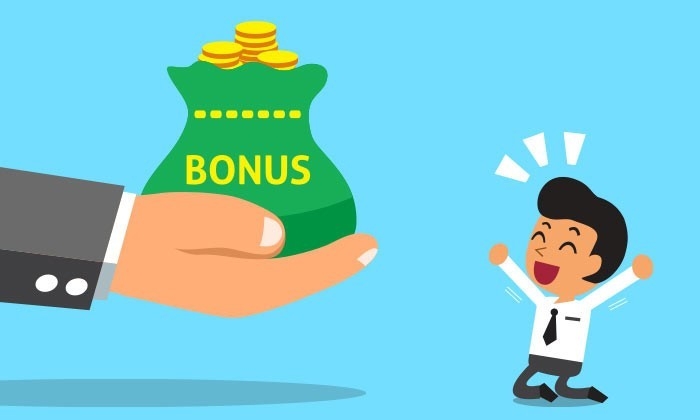
How Do Bonuses Work?
Understanding Bonus Structures, Frequency, and Taxation
Bonuses are one of the most commonly used tools companies rely on to reward performance, incentivize productivity, and retain employees. They come in many forms—some predictable, others entirely discretionary—and they can significantly influence your annual earnings. Yet many workers aren’t fully aware of how bonus structures are created, how often they’re paid, or how they’re taxed. Understanding these details can help you negotiate better compensation, make smarter financial plans, and set realistic expectations.
This article breaks down the most important aspects of bonuses: the different types of bonus structures, how frequently they’re paid, and the taxation rules that apply.
1. What Is a Bonus?
A bonus is additional compensation paid to an employee beyond their regular salary or hourly wage. Unlike base pay, which is guaranteed, bonuses are generally contingent on specific conditions, such as:
-
Company performance
-
Individual performance
-
Meeting certain sales targets
-
Remaining with the company for a set period
-
Special circumstances (holidays, profit sharing, etc.)
While bonuses are not guaranteed unless explicitly stated in a contract, they play a major role in compensation strategies across many industries—especially finance, sales, tech, and executive-level roles.
2. Common Bonus Structures
Bonus structures vary depending on company goals and industry norms. Below are the most common types.
A. Performance Bonuses
These bonuses are tied directly to employee achievements. They may consider:
-
Hitting sales or revenue targets
-
Completing specific projects
-
Achieving quality or efficiency benchmarks
-
Strong annual performance reviews
Performance bonuses reward productivity and are often used to motivate employees toward specific outcomes. They may be structured as a percentage of salary or as a fixed amount.
Example:
A salesperson who hits 120% of target might earn a 20% bonus on top of base commission.
B. Annual or Year-End Bonuses
These are paid at the end of the fiscal year and usually reflect company performance. Many organizations pool funds for an annual bonus program based on profitability or revenue growth.
Year-end bonuses may be:
-
Equal for everyone
-
Proportional to salary
-
Based on performance rating
-
Combination of factors
They are often seen in finance, consulting, and corporate roles.
C. Signing Bonuses
Signing bonuses attract new hires in competitive labor markets. They compensate for:
-
Relocating
-
Leaving bonuses or equity behind at another job
-
Competitive bidding between employers
Companies may require the employee to repay the bonus if they leave within a set period (often 6–24 months).
D. Retention Bonuses
Retention bonuses prevent valued employees from leaving during critical periods, such as mergers, acquisitions, or extended projects.
These bonuses are typically:
-
Time-based
-
Paid at project completion
-
Contingent on staying with the company for a defined duration
E. Referral Bonuses
Employees who refer successful candidates may receive a referral bonus. These are common in tech and healthcare where talent shortages exist.
Referral bonuses may be paid when:
-
The new hire signs the offer
-
The new hire stays for 3–12 months
F. Profit-Sharing Bonuses
In a profit-sharing structure, companies distribute a portion of annual profits to employees. These bonuses may be:
-
Equal across staff
-
Based on salary
-
Based on job level or tenure
Some companies deposit profit-sharing bonuses into retirement accounts, while others pay them in cash.
G. Commission Bonuses
Common in sales roles, commissions reward employees for revenue generation. In some cases, commissions are the primary form of bonus compensation.
Commission systems may include:
-
Flat-rate bonuses: A fixed amount per sale
-
Tiered bonuses: Higher rates as goals are exceeded
-
Blended structures: Base salary + variable commission
H. Spot Bonuses
Spot bonuses are surprise rewards for exceptional work or quick achievements. They tend to be smaller and highly discretionary.
Examples:
-
Going above and beyond during a crisis
-
Completing a project early
-
Delivering outstanding customer service
I. Holiday Bonuses
Holiday bonuses are traditional in some industries, though not guaranteed. They may be symbolic (e.g., $100 gift card) or substantial cash payments.
3. How Frequently Are Bonuses Paid?
Bonus frequency depends on the type and the organization's policies. The most typical schedules include:
A. Annual
Most performance and profit-sharing bonuses are paid once per year. This timing allows companies to evaluate annual financial results and individual performance.
B. Quarterly
Some companies pay quarterly bonuses, particularly in:
-
Sales
-
Customer service
-
Manufacturing
-
Tech (for certain project-based roles)
Quarterly bonuses can help sustain motivation over shorter periods.
C. Monthly
Less common, but used in highly metrics-driven roles—often retail or call centers—where monthly targets are straightforward.
D. Paid Upon Achievement
Spot, signing, and retention bonuses typically have event-driven timing:
-
Signing bonus → at hire date or first paycheck
-
Retention bonus → at agreed date after tenure requirement
-
Spot bonus → immediately after achievement
E. Lump Sum vs Split Payments
Some bonuses are paid all at once, while others may be staggered to manage cash flow or encourage retention.
4. Bonus Calculation Methods
Bonuses may be calculated as:
A. Fixed Cash Amount
E.g., a $5,000 annual bonus for all employees.
B. Salary Percentage
E.g., 10–25% of annual base salary; common at corporate and executive levels.
C. Performance-Based Multipliers
Many organizations use a metric-driven formula:
Bonus = Base Salary × Target Bonus % × Performance Score × Company Modifier
Each component reflects a different aspect of performance.
D. Tiered Systems
Sales teams frequently use tiers:
-
100–120% of target → 10% bonus
-
120–150% → 20% bonus
-
150%+ → higher multipliers
5. Are Bonuses Guaranteed?
In most cases, no.
Unless your employment contract or compensation plan explicitly guarantees a bonus, they are generally discretionary.
Even structured bonuses usually come with clauses such as:
-
Must be employed at payout date
-
Must meet minimum performance thresholds
-
Company must meet revenue goals
Employees should always review company policy or ask HR about restrictions.
6. How Are Bonuses Taxed?
Taxation is often the least understood part of bonus compensation. Many employees feel like a large portion of their bonus “disappears,” but the tax rules are simply different from those applied to regular wages.
A. Bonuses Are Considered Supplemental Income
Governments typically classify bonuses as supplemental or additional wages. This means they are taxed differently than regular income, especially in payroll withholding.
B. Two Main Tax Methods (U.S. Example)
While tax rules vary by country, the United States uses two primary methods:
1. The Percentage Method
A flat withholding rate is applied to your bonus paycheck. In the U.S., the IRS percentage for supplemental wages is commonly 22% (for most bonuses) at the federal level.
This does not mean your bonus is taxed at 22% overall—just that this amount is withheld initially. Your true annual tax rate is still determined at year-end.
2. The Aggregate Method
If a bonus is combined with your normal paycheck:
-
Your employer adds the bonus to your regular wages
-
The total amount is taxed at your typical withholding rate for that period
This can create the illusion that the bonus is taxed more heavily because a larger income figure may be withheld at a higher marginal tax rate.
C. Additional Deductions
Regardless of method, bonuses may also have deductions for:
-
Social Security
-
Medicare
-
State income taxes
-
Local taxes (where applicable)
-
Retirement plan contributions (depending on plan rules)
Some retirement systems do not apply contributions to bonus pay, while others do.
D. Net Bonus vs Gross Bonus
A bonus is always quoted in gross terms (before taxes). The net amount you receive depends on:
-
Withholding method
-
Deductions
-
Your annual tax bracket
Even if withholding seems high up front, tax refunds or adjustments may balance things out later.
7. How Bonuses Affect Overall Compensation
Bonuses can significantly change your effective income level.
Advantages
-
Increase total compensation without raising fixed salary costs
-
Reward high performance
-
Encourage loyalty and motivation
-
Provide financial flexibility for employers
Potential Disadvantages
-
Unpredictability can make budgeting difficult
-
Bonuses are not guaranteed unless contractually defined
-
Taxes and withholding may feel high
-
Economic downturns can reduce bonus pools
Employees should consider whether a job’s bonus structure provides meaningful income or whether base salary should be prioritized.
8. Negotiating Bonuses
Many candidates overlook bonuses during job negotiations, but they are a key part of compensation. Points to negotiate include:
A. Signing Bonus
Useful if you’re leaving unvested equity or another bonus behind.
B. Guaranteed Minimum Bonus
Some employers agree to a guaranteed first-year bonus.
C. Bonus Target Percentage
Increasing your annual bonus target can add thousands to your compensation.
D. Commission Adjustments
Sales roles allow negotiation on:
-
Commission rates
-
Quotas
-
Accelerators
E. Bonus Timing
You may negotiate to receive a prorated bonus if hired mid-year.
9. Best Practices for Managing Bonus Income
Because bonus income is irregular, many financial planners recommend:
-
Using bonuses for savings, not regular spending
-
Applying bonuses toward retirement contributions
-
Paying down debt
-
Building an emergency fund
-
Treating bonuses as windfalls (not guaranteed income)
Employees with highly variable bonuses may benefit from budgeting based on their base salary alone.
10. Future Trends in Bonuses
Workplaces continue to evolve, and so do bonus systems. Key trends include:
A. Data-Driven Performance Bonuses
More companies are using metrics and analytics to determine payouts.
B. More Frequent Performance Rewards
Quarterly or monthly incentives improve employee engagement.
C. Retention Bonuses During Labor Shortages
Competitive job markets make retention bonuses more common.
D. Equity-Based Bonuses
Especially in tech, equity compensation is increasingly replacing cash bonuses.
Conclusion
Bonuses play a crucial role in modern compensation strategies. Understanding how bonus structures work, how frequently they’re paid, and how they are taxed helps employees manage expectations and financial plans effectively. Whether you're negotiating a new role or planning your budget for the year, a clear view of how bonuses function can give you a significant advantage.
- Arts
- Business
- Computers
- Jogos
- Health
- Início
- Kids and Teens
- Money
- News
- Personal Development
- Recreation
- Regional
- Reference
- Science
- Shopping
- Society
- Sports
- Бизнес
- Деньги
- Дом
- Досуг
- Здоровье
- Игры
- Искусство
- Источники информации
- Компьютеры
- Личное развитие
- Наука
- Новости и СМИ
- Общество
- Покупки
- Спорт
- Страны и регионы
- World

 English
 Russian
 French
 Spanish
 Deutsch
 Turkish
 Dutch
Dutch
 Italiano
 Arabic
 Romaian
 Portuguese (Brazil)
 Greek
Greek
