
What Happens to Social Security When You Die?
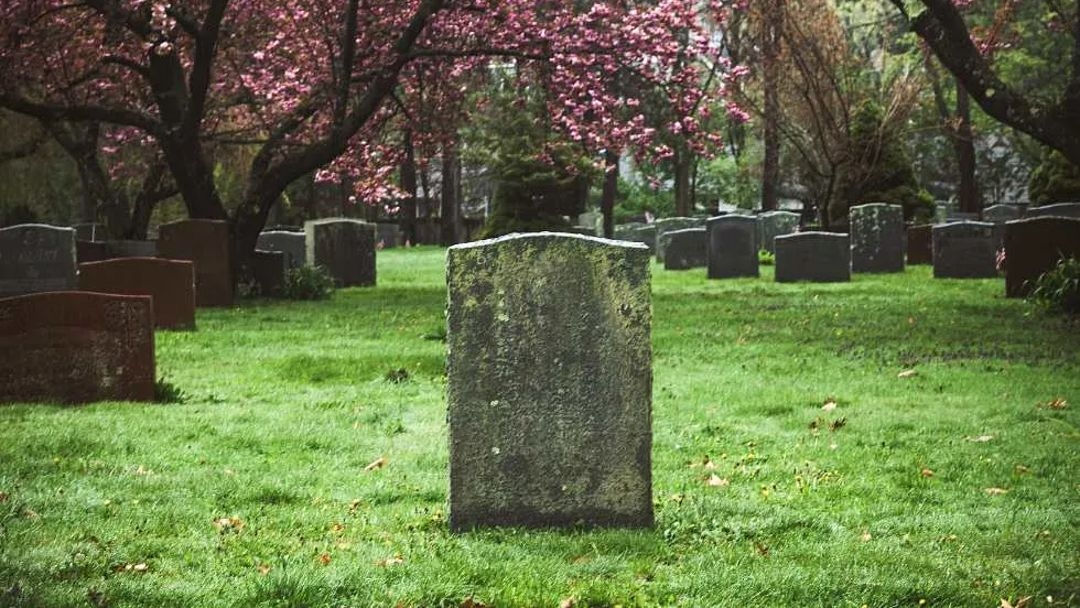
What Happens to Social Security When You Die?
Survivor Benefits, Death Benefits, and Support for Widows and Widowers
Social Security is best known for providing retirement income, but its role doesn’t end when a beneficiary passes away. The system also includes a structured set of protections for family members—protections many people don’t fully understand until they need them. When someone dies, their Social Security payments stop immediately, but certain relatives may become eligible for ongoing financial support through survivor benefits, and in some cases, a one-time death benefit.
Understanding how these rules work can help families make smarter financial decisions during a stressful time.
What Happens to a Person’s Social Security Payments After Death?
The moment a beneficiary dies, their Social Security benefits must stop, regardless of whether they were retirement, disability, or spousal benefits. Payments are not earned for the month of death. This means:
-
If the person dies at any point in a month, that month’s benefit must be returned, even if the payment was deposited early.
-
Banks are required to return payments made after a beneficiary’s death.
Families should notify the Social Security Administration (SSA) as soon as possible. Usually, the funeral home reports the death if you give them the deceased person’s Social Security number.
Stopping benefits prevents overpayments, which can create administrative headaches later. But stopping benefits does not end Social Security support for the family. This is where survivor benefits come in.
What Are Social Security Survivor Benefits?
Survivor benefits are monthly payments to certain family members of a deceased worker who paid into Social Security. These benefits exist because Social Security isn’t just a retirement program—it’s also an insurance system designed to protect families when a worker dies.
To qualify for survivor benefits, the deceased person must have earned enough “credits” through work. In most cases, this means at least 10 years of work, but younger workers may qualify with fewer years.
Survivor benefits can go to:
-
Widows and widowers
-
Children
-
Dependent parents
-
Sometimes divorced spouses
The amount survivors receive depends on the deceased worker’s earnings record. The higher the worker’s earnings, the larger the survivor benefit.
Survivor Benefits for Widows and Widowers
Widows or widowers are the most common recipients of survivor benefits. These rules are designed to help a spouse avoid financial hardship after losing a partner.
Eligibility Rules
A surviving spouse may qualify if they were:
-
Married to the deceased for at least nine months, unless the death was accidental or related to military service, or if the couple had a child together.
-
Already receiving spousal benefits, which are automatically converted to survivor benefits in most cases.
Divorced spouses can also qualify if the marriage lasted 10 years or more and they haven’t remarried before age 60 (or 50 if disabled).
Age Requirements
Surviving spouses can claim benefits at different ages:
-
Age 60 for full survivor benefits (though reduced if before full retirement age)
-
Age 50 if disabled
-
Any age if caring for the deceased’s child under age 16 or a disabled child
How Much Do Widows and Widowers Receive?
Survivor benefits are based on the deceased worker’s full benefit amount. The surviving spouse may get:
-
Up to 100% of the deceased’s benefit if claiming at full retirement age
-
71.5% to 99% if claiming earlier
-
75% if caring for a child who qualifies for survivor benefits
These numbers can shift based on the surviving spouse’s own retirement benefits. In general, Social Security pays the higher of the two benefits, not both.
What If the Surviving Spouse Remarries?
Remarriage can affect eligibility:
-
If the surviving spouse remarries before age 60 (50 if disabled), they usually lose survivor benefits.
-
If they remarry after age 60, survivor benefits are typically unaffected.
This rule exists to ensure the benefit supports the household that lost income due to the death.
Survivor Benefits for Children
Children may receive survivor benefits if they are:
-
Under age 18, or
-
18–19 and still in high school, or
-
Disabled before age 22
Eligible children generally receive 75% of the deceased worker’s benefit.
If multiple children and a spouse are receiving benefits, the total family amount is capped—the maximum family benefit—usually between 150% and 180% of the worker’s full benefit.
Survivor Benefits for Dependent Parents
If a worker dies and leaves behind parents who depended on them for at least 50% of their support, those parents may qualify for:
-
82.5% of the worker’s benefit for one parent
-
75% each if both parents qualify
This category is less common, but for households where adult children supported aging parents, it can be a critical line of support.
The One-Time Social Security Death Benefit
In addition to monthly survivor payments, Social Security provides a small one-time death benefit of $255.
It is available if the deceased:
-
Had enough work credits, and
-
Leaves behind a spouse or dependent child living in the same household at the time of death (or meeting specific exceptions)
This benefit is modest—it won’t cover funeral costs—but it does represent a symbolic acknowledgement of the worker’s contributions.
Eligible recipients must apply within two years of the death.
What Happens If the Deceased Was Already Receiving Retirement or Disability Benefits?
If someone receiving Social Security retirement or disability benefits dies, the transition is simple:
-
Their benefits stop immediately.
-
Surviving family members may apply for benefits based on the deceased’s record.
If the spouse was already receiving spousal benefits, these may convert automatically to survivor benefits, often requiring no additional paperwork.
What Happens If the Survivor Was Already Receiving Their Own Social Security Benefits?
Survivors don’t get both benefits. Instead, Social Security pays whichever benefit is higher:
-
The survivor’s own benefit
-
The deceased spouse’s benefit
Many widows and widowers choose to take a reduced survivor benefit first, then switch to their own higher retirement benefit later—or vice versa. The best strategy depends on ages, earning records, and financial needs.
How to Apply for Social Security Survivor Benefits
Survivor benefits cannot typically be applied for online. Surviving family members must:
-
Call the Social Security Administration
-
Request an appointment or guidance
-
Provide required documents such as:
-
Death certificate
-
Marriage certificate
-
Social Security numbers
-
Birth certificates of children (if applying for child benefits)
-
The SSA may contact the funeral home to verify the death, but families are still responsible for initiating survivor claims.
Common Questions About Social Security and Death
Can two surviving spouses (such as a current and an ex-spouse) both receive survivor benefits?
Yes—each can receive survivor benefits independently as long as they meet eligibility requirements. Their benefits do not reduce each other’s payments.
Do common-law spouses qualify?
In states that recognize common-law marriage, common-law spouses can receive survivor benefits if they prove the relationship.
Do survivor benefits count as income?
They typically are not taxable unless the survivor has substantial additional income.
Do survivors get a lump-sum payment of the deceased’s benefits?
No. Apart from the $255 death benefit, Social Security does not pay lump sums.
Why Survivor Benefits Matter
Many families rely on survivor benefits as a financial lifeline. For households where one spouse earned most of the family’s income, survivor benefits can make the difference between stability and hardship.
Even though the system can feel complicated, the core idea is simple: Social Security protects your family after you're gone, the same way it supports you while you're alive.
Final Thoughts
Navigating the financial aftermath of a loved one’s death is emotionally draining, and Social Security’s rules can feel overwhelming. But understanding how survivor and death benefits work helps families stay grounded and make informed decisions.
Here’s the bottom line:
-
Social Security benefits stop when someone dies.
-
Surviving spouses, children, and sometimes parents may receive monthly survivor benefits.
-
A one-time $255 death payment may also be available.
-
Widows and widowers can receive up to 100% of a deceased spouse’s benefit depending on their age and circumstances.
These benefits are a key part of the Social Security system’s promise: to provide not just retirement support, but protection for families across generations.
- Arts
- Business
- Computers
- Παιχνίδια
- Health
- Κεντρική Σελίδα
- Kids and Teens
- Money
- News
- Personal Development
- Recreation
- Regional
- Reference
- Science
- Shopping
- Society
- Sports
- Бизнес
- Деньги
- Дом
- Досуг
- Здоровье
- Игры
- Искусство
- Источники информации
- Компьютеры
- Личное развитие
- Наука
- Новости и СМИ
- Общество
- Покупки
- Спорт
- Страны и регионы
- World

 English
 Russian
 French
 Spanish
 Portuguese
 Deutsch
 Turkish
 Dutch
Dutch
 Italiano
 Arabic
 Romaian
 Portuguese (Brazil)