
How Do Ads (Google & Facebook) Help Generate Leads?
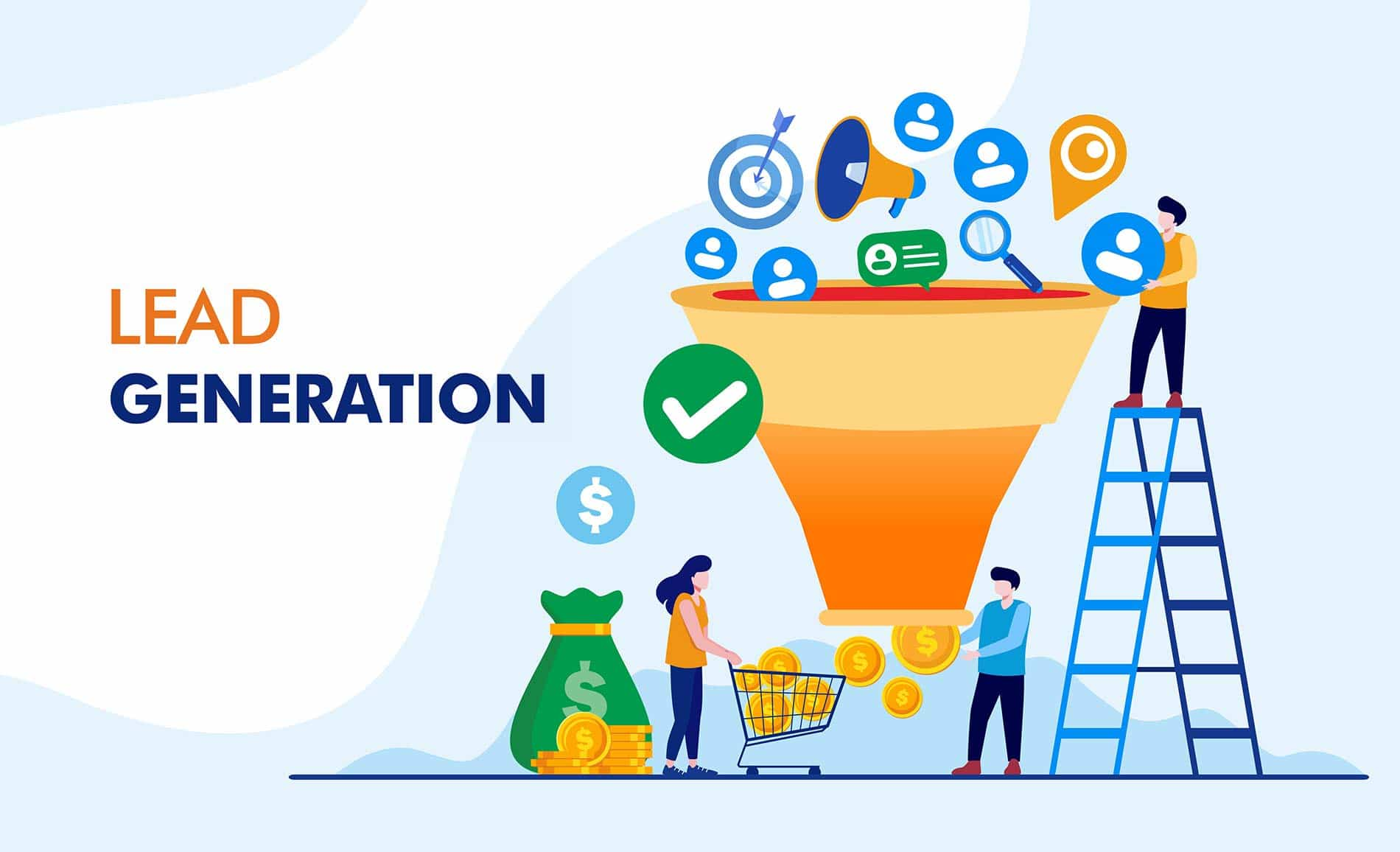
Paid advertising is one of the fastest and most controllable ways to generate leads. When done correctly, Google Ads and Facebook (Meta) Ads allow businesses to place the right message in front of the right person at the right time — and measure every result.
This article explains how ads generate leads, how Google and Facebook ads differ, what they cost, how ROI works, and how to set up a lead-generation system that doesn’t waste money.
1. What Does “Lead Generation With Ads” Mean?
Lead generation with ads means using paid platforms to:
-
attract targeted traffic
-
capture contact information
-
start sales conversations
Instead of waiting for people to find you, ads put your offer directly in front of them.
2. Why Businesses Use Paid Ads for Leads
Ads are used because they offer:
-
speed
-
scale
-
targeting control
-
measurable results
Unlike organic methods, ads can be turned on or off instantly.
3. How Ads Fit Into the Lead Generation Funnel
Ads rarely close sales on their own.
Instead, they:
-
start the journey
-
create awareness
-
capture leads
-
feed nurturing systems
Ads are fuel — funnels convert.
4. Google Ads vs Facebook Ads (High-Level Difference)
Google Ads
-
intent-driven
-
user is actively searching
-
higher buying readiness
Facebook Ads
-
interruption-based
-
interest and behavior targeting
-
demand creation
Both work — for different reasons.
5. How Google Ads Generate Leads
Google Ads show your offer when someone searches for a keyword related to your solution.
Example:
Someone searches “CRM software for small businesses”
Your ad appears → they click → they become a lead.
5.1 Why Google Ads Are Powerful
-
high intent
-
immediate demand
-
strong conversion rates
Google Ads capture people already looking for help.
5.2 Types of Google Ads for Lead Generation
-
Search ads
-
Display ads
-
YouTube ads
Search ads usually convert best for leads.
6. How Facebook Ads Generate Leads
Facebook Ads target people based on:
-
interests
-
behaviors
-
demographics
They work by:
-
interrupting scrolling
-
presenting a relevant offer
-
encouraging action
Facebook Ads create demand, not just capture it.
7. Lead Forms vs Landing Pages
Ads can generate leads through:
-
native lead forms
-
external landing pages
Lead Forms
-
lower friction
-
faster conversions
-
lower intent sometimes
Landing Pages
-
higher intent
-
better qualification
-
more control
Choice depends on lead quality goals.
8. The Role of Targeting in Ad-Based Lead Generation
Targeting determines success more than creativity.
Good targeting includes:
-
correct audience
-
right message
-
relevant offer
Broad targeting wastes budget.
9. Audience Types in Facebook Ads
Cold Audiences
People who don’t know you yet.
Warm Audiences
People who have interacted with your content.
Hot Audiences
People who visited your site or engaged deeply.
Each stage requires different messaging.
10. Keywords and Intent in Google Ads
Google Ads succeed or fail based on keywords.
High-performing keywords:
-
indicate urgency
-
show buying intent
-
match your offer
Low-intent keywords drive traffic, not leads.
11. Ad Creative: What Actually Matters
Effective ad creative:
-
speaks to a clear problem
-
promises a specific outcome
-
avoids hype
Clarity beats cleverness.
12. Ad Copy vs Ad Design
Ad Copy
-
communicates value
-
addresses pain points
-
guides action
Ad Design
-
stops scrolling
-
supports message
-
builds trust
Both must work together.
13. The Importance of the Offer
Ads amplify the offer — they don’t fix it.
Strong lead-gen offers:
-
solve a real problem
-
are easy to understand
-
deliver immediate value
Examples:
-
free audits
-
demos
-
consultations
-
guides
14. Cost Per Lead (CPL): What Determines It
Cost per lead depends on:
-
competition
-
targeting
-
industry
-
offer quality
-
funnel efficiency
Cheap leads aren’t always good leads.
15. Average Cost Per Lead (General Ranges)
While costs vary, rough averages:
-
B2B: higher CPL, higher value
-
B2C: lower CPL, higher volume
Quality always matters more than price.
16. ROI in Paid Advertising
ROI (Return on Investment) answers:
“Did the ads make more money than they cost?”
ROI depends on:
-
conversion rates
-
lead quality
-
sales follow-up
Ads are only as good as the system behind them.
17. Why Ads Fail for Most Businesses
Common reasons:
❌ unclear offer
❌ poor targeting
❌ weak landing pages
❌ no follow-up
❌ unrealistic expectations
Ads don’t fix broken funnels.
18. The Role of Landing Pages in Ad Success
Landing pages convert clicks into leads.
Strong landing pages:
-
focus on one goal
-
remove distractions
-
highlight benefits
-
include trust signals
One page. One action.
19. Retargeting Ads for Lead Generation
Retargeting ads show ads to people who:
-
visited your site
-
interacted with content
-
opened emails
Retargeting increases:
-
trust
-
conversion rates
-
efficiency
20. Ad Funnels Explained (Simple)
A basic ad funnel:
-
Cold ad → content or offer
-
Lead capture
-
Nurture sequence
-
Sales conversion
Ads start the flow — nurturing finishes it.
21. Scaling Lead Generation With Ads
Scaling means:
-
increasing budget
-
expanding audiences
-
testing creatives
Scale only after profitability is proven.
22. Testing and Optimization
Ads improve through testing:
-
headlines
-
visuals
-
audiences
-
offers
Small improvements compound fast.
23. Budgeting for Lead Generation Ads
Start small:
-
test before scaling
-
avoid emotional decisions
-
let data guide spend
Budget is a learning tool, not a gamble.
24. Ads for B2B Lead Generation
B2B ads focus on:
-
decision-makers
-
education
-
long-term ROI
Google Ads often outperform social for B2B.
25. Ads for B2C Lead Generation
B2C ads prioritize:
-
emotion
-
simplicity
-
speed
Facebook and Instagram perform strongly here.
26. Compliance and Trust in Advertising
Trust matters.
Ads should:
-
avoid misleading claims
-
respect platform rules
-
set honest expectations
Short-term tricks damage long-term results.
27. How Long Before Ads Generate Leads?
Typical timeline:
-
days to first leads
-
weeks to optimize
-
months to scale
Ads are fast — mastery is not.
28. Ads vs Organic Lead Generation
Ads:
-
faster
-
controllable
-
cost money
Organic:
-
slower
-
compounds
-
costs time
The best strategies use both.
29. Should Beginners Use Paid Ads?
Beginners should:
-
learn fundamentals
-
start with small budgets
-
avoid complex setups
Ads reward preparation.
30. Final Takeaway
Ads help generate leads by combining targeting, timing, and measurable intent.
The most successful ad strategies:
-
focus on the offer
-
respect the audience
-
rely on strong funnels
Ads don’t replace strategy —
they amplify it.
Get the message right.
Build the system first.
Then let ads accelerate growth.
- Arts
- Business
- Computers
- Игры
- Health
- Главная
- Kids and Teens
- Деньги
- News
- Personal Development
- Recreation
- Regional
- Reference
- Science
- Shopping
- Society
- Sports
- Бизнес
- Деньги
- Дом
- Досуг
- Здоровье
- Игры
- Искусство
- Источники информации
- Компьютеры
- Личное развитие
- Наука
- Новости и СМИ
- Общество
- Покупки
- Спорт
- Страны и регионы
- World

 English
 French
 Spanish
 Portuguese
 Deutsch
 Turkish
 Dutch
Dutch
 Italiano
 Arabic
 Romaian
 Portuguese (Brazil)
 Greek
Greek